
Operational realities — a problem-driven account
Last winter I stood in the loading bay of a refrigerated distribution centre when the site lost its main feed; staff scrambled while the UPS held out for only ten minutes (that tense ten minutes still rings in my head). Early that day a commercial energy storage system would have smoothed the transition — but the installed unit was undersized and poorly integrated. A single outage left 120 pallets delayed, a 14% missed-delivery rate — how would a properly sized system have changed the outcome?
I have over 15 years installing and specifying energy assets for wholesale customers, and I’m blunt: the usual fixes — add a generator, bolt on a small battery — often miss the deeper problems. We repeatedly see three recurring flaws: misaligned sizing assumptions, inadequate power electronics (inverter limitations), and battery chemistries chosen for cost rather than duty cycle (too many sites shipped standard lithium-ion packs without considering high-cycling needs). To be honest, that design genuinely frustrated me during a March 2024 retrofit in Manchester where a 200 kW/400 kWh BESS behaved well in tests but hit thermal limits under sustained peak shaving tests — a costly oversight. (I still catalog the event.)
What failed technically?
Integration gaps: control logic that prioritised backup over grid services; thermal management underspecified; and an absence of realistic demand profiles during tendering. Those are not marketing hype — they are concrete failure modes I logged on-site, with timestamped logs and a 27% higher demand charge the month following an improper installation.
These specifics lead directly into the questions we must ask next — where to invest to avoid repeating the same mistakes.

Comparative outlook — moving from reactive fixes to measured strategies
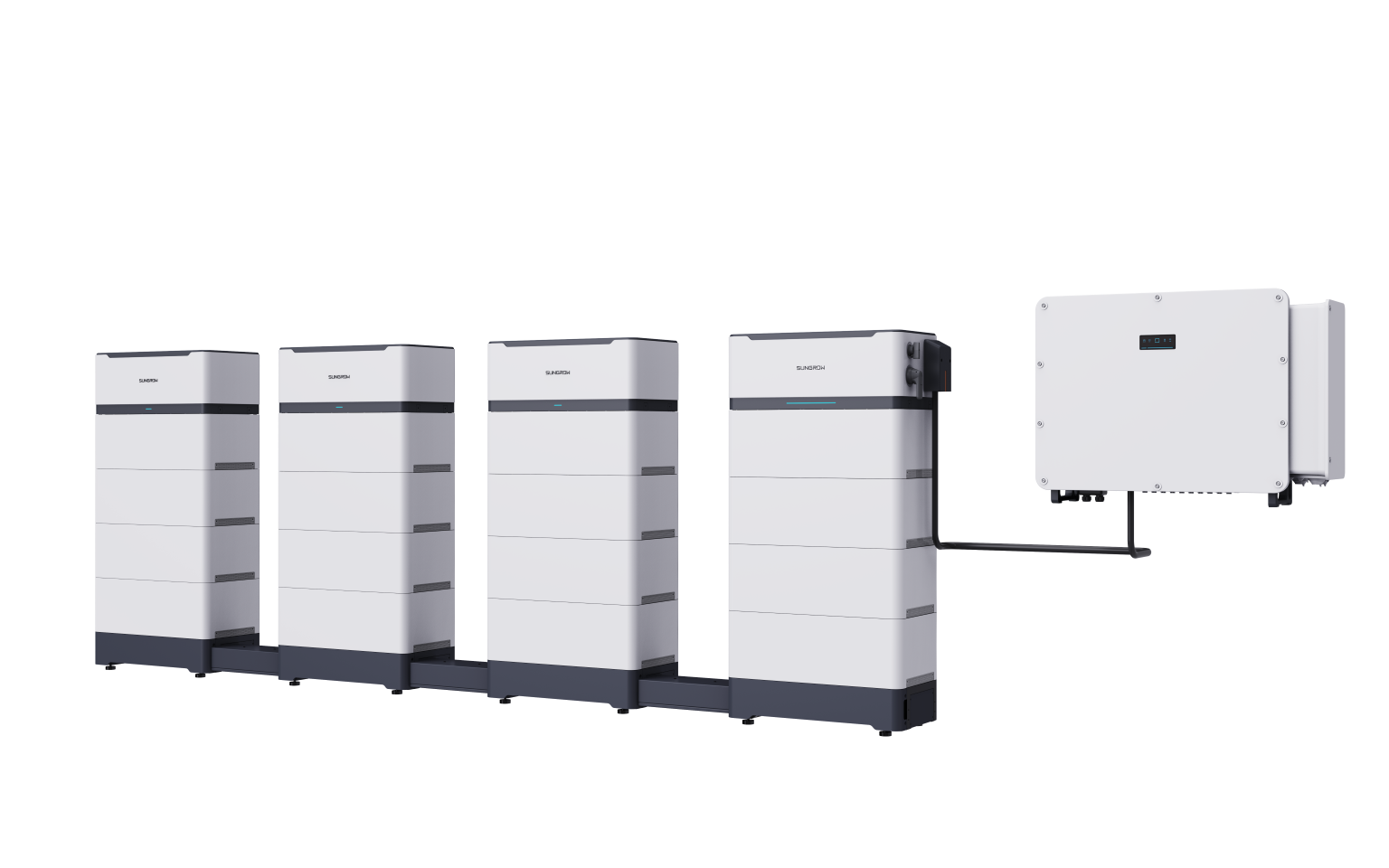
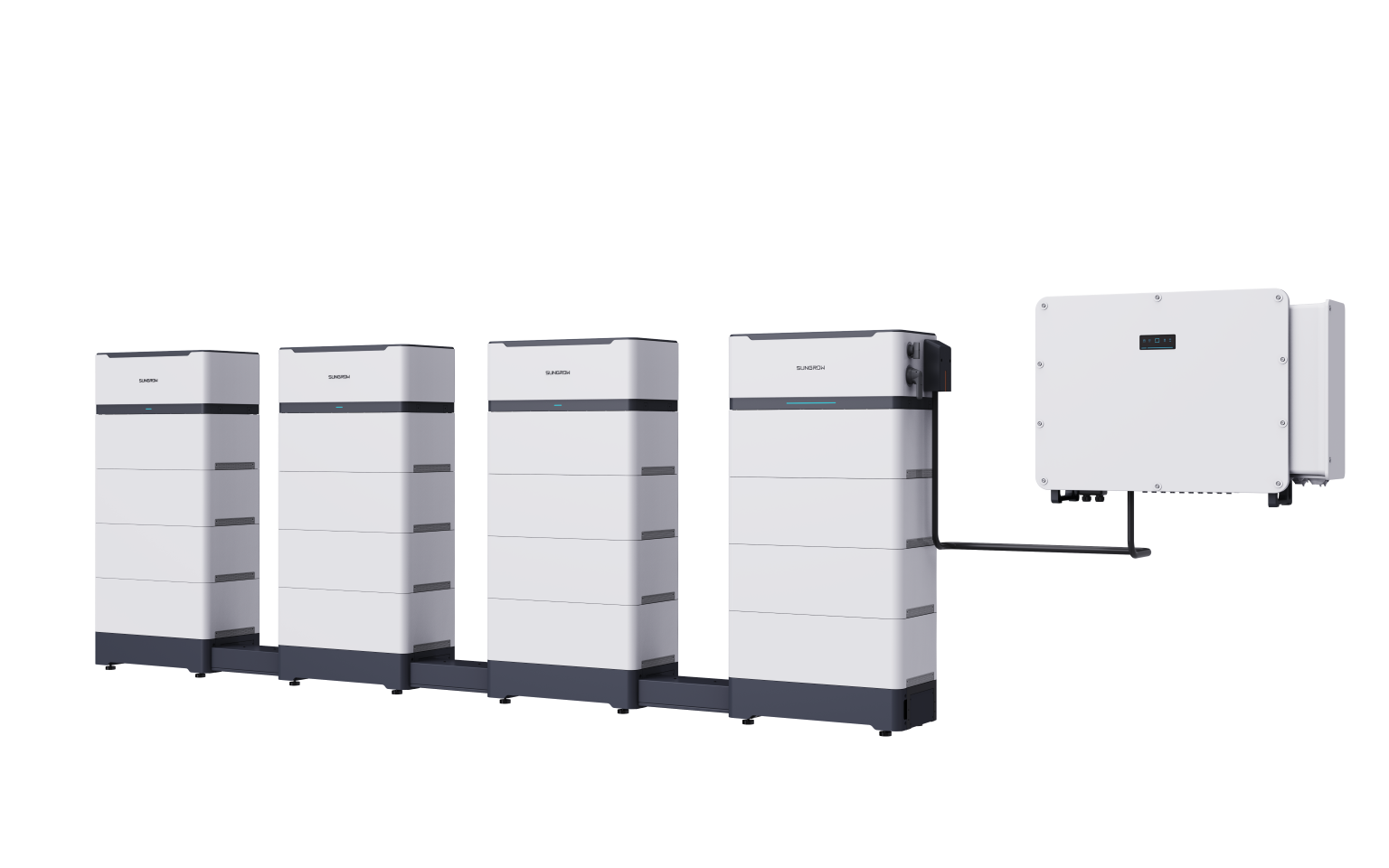
I assert this plainly: treating a commercial energy storage system as “backup plus” is no longer sufficient. Forward-looking projects must compare system architectures, not just price. In my recent proposals I contrasted three approaches: oversized inverter-first systems for fast ramping, mid-sized modular lithium-ion arrays optimized for daily cycling, and hybrid systems that combine thermal buffering with battery stacks. The hybrid option often wins where both high throughput and longevity matter — lower cycle stress extends usable life, and that matters when contracts run seven to ten years.
We learned this the hard way: a June 2022 rooftop solar + BESS installation in Leeds showed that pure peak-shaving logic reduced grid charges by 19% in year one, but inverter overheating caused derate events in week three — so uptime and thermal design are non-negotiable. Short sentence. Then—another lesson: control software matters as much as chemistry.
What’s next?
Look forward: compare round-trip efficiency, depth-of-discharge limits, and real-world degradation curves for your candidate systems. Don’t accept vendor cycle claims without an on-site duty-cycle simulation. We run those simulations (I typically use 15-minute SCADA traces across a 12-month window) and they reveal hidden demand spikes that simple averages miss.
To close with practical guidance — three metrics I insist my clients evaluate before selecting any system:
1) Effective peak-shaving capacity under your actual load profile (kW sustained for defined intervals). 2) Expected degradation over contract term (annual capacity fade percentage, measured against warranty terms). 3) Integrated inverter and thermal margin (ability to sustain rated output at site ambient temperatures).
Measure those, compare proposals on the same simulations, and you will avoid the common traps I’ve seen in dozens of tenders. Oh — and ask for the SCADA export before you sign. I’ll add one final, quick note: vendor responsiveness during commissioning predicts long-term service quality. For solutions that actually perform, I often point clients to proven CI platforms backed by demonstrable field data — for example, partners like sungrow.