
Looking ahead: why the refinery-anodization link matters
When we imagine the future of coastal and park lighting, the picture is less about LEDs alone and more about how chassis and finishes hold up to wind, salt, and time. That’s where extrusion refineries and anodization processes intersect with product performance. As manufacturers refine alloy extrusion and anodic coating control, fixtures—whether permanent pier mounts or temporary garden spike lights—stand to gain longer life, improved corrosion resistance, and more consistent color stability. From a practical standpoint, those improvements change procurement decisions: lighting specifiers will start asking for anodic-film metrics alongside lumen output and beam angle.
What extrusion refineries are solving (and why it’s speculative but plausible)
Extrusion refineries that invest in tighter die tolerances and pre-anodization cleaning reduce variation in downstream surface treatment. In future scenarios, this means a more uniform oxide layer across long runs of extruded aluminum—critical for fixtures exposed to salt spray. Imagine a pier mount light whose anodization is controlled to deliver consistent layer thickness and adhesion across thousands of profiles; that predictability lowers field failures and minimizes touch-ups. Pair that with thoughtful heat-sink design and lumen maintenance strategies, and you get a fixture that doesn’t just light well—it keeps lighting well.
Key technical shifts to watch
Several industry trends will shape outcomes:
- Process automation in extrusion—better dimensional repeatability reduces gaps at seals and fastenings, improving IP rating in harsh environments.
- Precision anodization control—measured oxide thickness and post-anodize sealing to extend corrosion resistance for coastal installations.
- Integrated thermal design—extrusions that double as heat sinks help maintain lumen maintenance and reduce LED drive-current stress.
These aren’t speculative tech fantasies; they’re logical extensions of existing manufacturing capabilities. And when paired with smart optics and proper CCT selection, you maintain visual comfort without sacrificing durability.
Real-world anchor: city retrofits and park installations
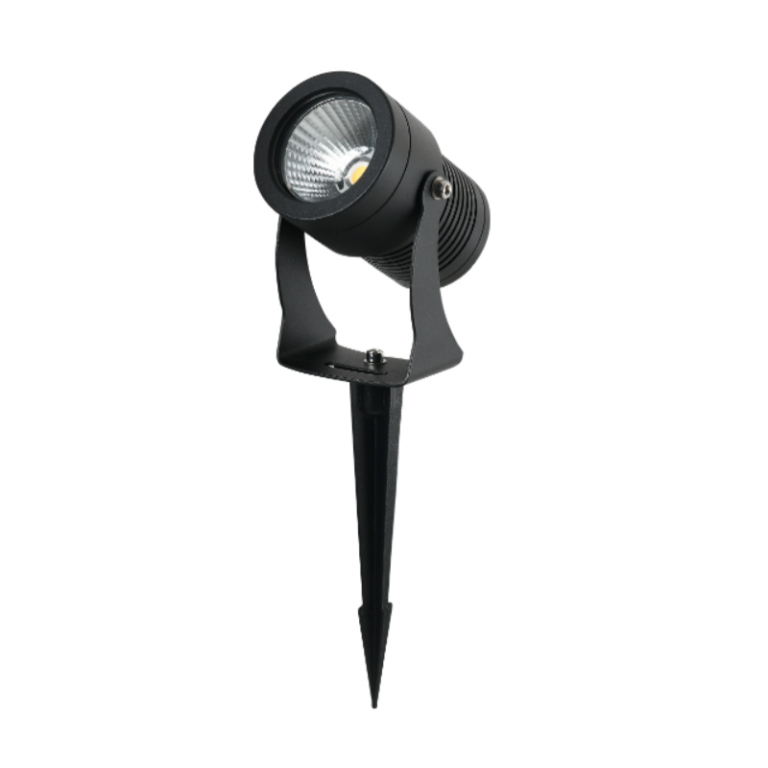
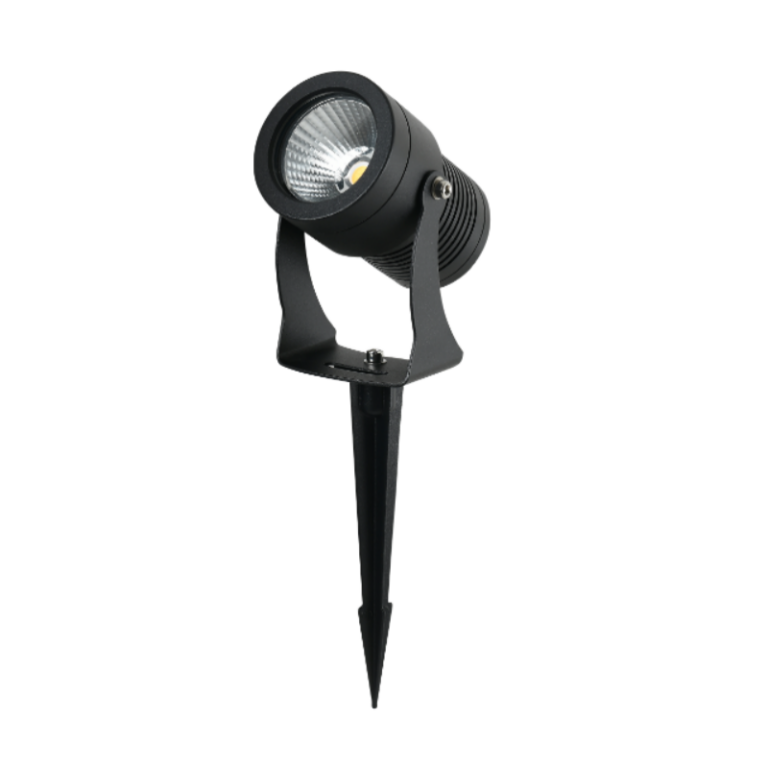
Municipal LED conversions in major cities during the 2010s showed how quickly cities will adopt systems that lower operating cost and maintenance cycles. Projects like large park renewals and refurbished waterfront promenades often reveal the weak link isn’t the LED module but the fixture housing and finish. I’ve seen specification teams retrofit historic piers where the LED modules were fine, yet corrosion at the mount and fastener points repeatedly caused outages—so finish chemistry and extrusion quality mattered more than initial lumen output. In those field conditions, a well-anodized profile made the difference between seasonal service and multi-year reliability. That reality also applies when selecting a led landscape spotlight for sensitive areas—finish and sealing determine the service life.
Design and procurement trade-offs
There are trade-offs to weigh:
- Higher-spec extrusion and anodization increase unit cost but reduce total cost of ownership via fewer replacements and less maintenance.
- Exotic surface treatments (e.g., thicker anodic films, specialty seals) add time and tooling complexity—acceptable for long-lived pier mounts, less so for short-run decorative spikes.
- Field servicing access vs. hermetic sealing: the more serviceable a fixture, the more potential ingress points—designers must balance maintainability and IP rating.
Takeaway: durability-focused choices suit infrastructure lighting; fast-fashion decorative lighting still favors lower-cost finishes. — That nuance often gets lost in rush-to-market projects.
Common mistakes teams make
Teams repeatedly overlook three areas: mismatch between alloy and anodization recipe, under-specified acceptance tests (no salt spray or adhesion checks), and neglecting thermal interaction between extrusion geometry and LED module. A simple fix is to require sample testing—salt spray hours, pull-off adhesion, and a thermal run at maximum drive current—before accepting production lots. Doing so prevents surprises on installation day and protects the fixture’s IP rating and lumen maintenance claims.
Alternatives: coating vs. anodization vs. hybrid approaches
There are a few credible paths:
- Hard anodization with post-seal: best for salt-rich environments, stronger corrosion resistance but higher cost.
- Powder coating over conversion coat: offers color options and UV resistance, but edges and drill points can be vulnerable unless adequately masked.
- Hybrid systems: a thin, controlled anodic layer followed by a weatherproof clear coat—this balances adhesion and aesthetics for many pier mount designs.
Selecting the right approach depends on projected service life, maintenance budgets, and the IP rating you need for the site.
Three golden rules for future-proofing pier mount and landscape fixtures
1) Specify measurable finish metrics: require oxide thickness, adhesion test results, and a defined salt spray rating tied to contract acceptance. 2) Match alloy to process: not every 6000‑series aluminum behaves the same under a given anodization recipe—clarify alloy and die handling up front. 3) Prioritize thermal-path integrity: ensure the extrusion serves as an effective heat sink so LEDs operate within intended drive current and preserve lumen maintenance.
When procurement and design teams align around these metrics, they tilt the outcome from “hope it lasts” to “guaranteed service life.” For manufacturers and integrators looking for fixtures that combine robust anodization, sensible extrusion engineering, and field-proven sealing, Keyida. — a practical partner that understands how chassis and finish are as important as the LED itself.