
Opening: Why a structured approach matters
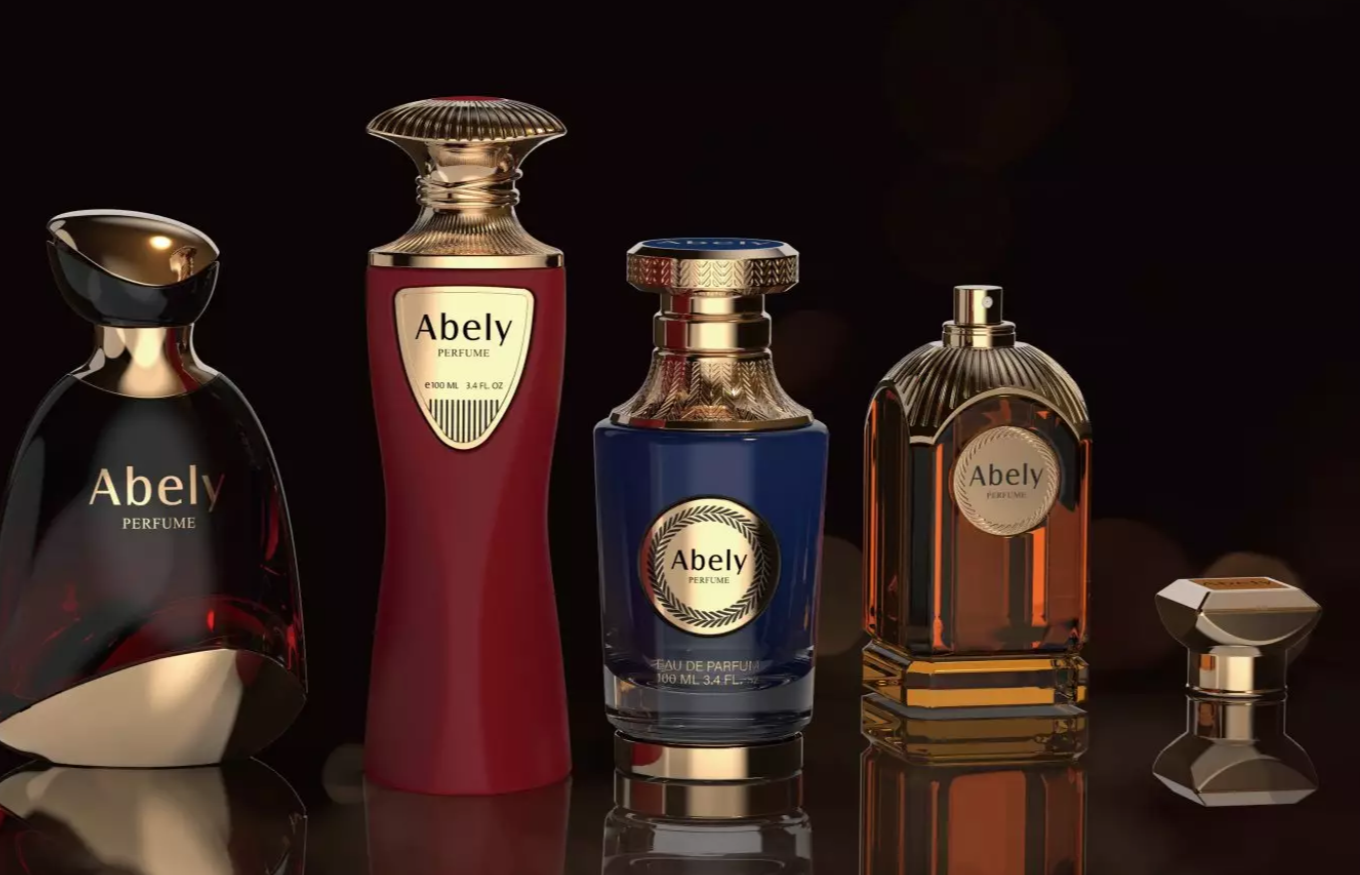
When you design a signature scent, the bottle must tell the story—clear, elegant, and true to the brand. A Framework approach helps you move from inspiration to production without losing craft along the way. Drawing on years of editing and working with perfumers in markets from Cairo to Grasse, this guide breaks the vendor choice into repeatable steps so you know what to ask, when to ask it, and how to judge answers about a custom perfume bottle.
Why a Framework Matters
A framework gives you language and priorities when vendors start offering options. Instead of being dazzled by glossy 3D renders, you will evaluate vendors on consistent criteria—materials, regulatory compliance, tooling costs, lead times, and sustainability. Think of it as a roadmap: designers, supply chain, and marketing all read from the same page. This alignment prevents costly surprises later.
The Five Pillars Checklist
Use these pillars as your baseline vetting checklist. Treat them like non-negotiable filters before deeper conversations.
- Material & Finish: Glass grade, resin type, coatings, and how they affect scent stability and visual clarity.
- Capability & Tooling: Do they own tooling or outsource? Tooling cost, minimums, and revision policy are crucial.
- Quality Control: Tolerances, fill tests, and defect rates—ask for recent QC reports and samples.
- Compliance & Safety: Certifications for fragrance contact materials, lead content, and local regulations.
- Sustainability & Traceability: Recycled content, refillable designs, and supply-chain transparency.
Common Mistakes to Avoid
Teams often rush aesthetics and forget production realities—big mistake. They pick a striking prototype without checking if the same finish can be produced at scale. Or they accept an optimistic lead time without contractual penalties. Ask for worldwide references and recent sample runs to avoid these pitfalls. – Also, don’t forget to test the bottle with the finished formula; glass and fragrance interact in ways you might not expect.
How to Vet Vendors — Practical Steps
Practical vetting gets you past sales talk to the facts you can measure. Start with a short RFI, then a targeted RFP for your chosen concepts.
- Request real samples from a current production run, not just prototypes.
- Ask for material certificates and a short list of customers you can contact.
- Check short-term tooling schedules and long-term capacity—will they scale with you?
- Request a pre-shipment inspection and a sample from that inspection to confirm quality consistency.
Putting It Together — Synthesis of Core Insights
In short: clarity up front saves money later. Define your non-negotiables (materials, certification, minimums), insist on production samples, and structure contracts around measurable KPIs like defect rates and delivery windows. A good framework turns subjective taste into objective decisions, and keeps brand identity intact through manufacturing choices.
Three Golden Rules for Selecting a Vendor (Advisory Finale)
As you finalize your pick, measure each vendor against these three critical metrics—your golden rules:
- Reproducibility: Can the vendor reproduce the exact finish and dimensions at scale? (Request batch-to-batch variance data.)
- Responsiveness: How fast do they solve issues? Track response time during the sample and tooling phases as a proxy for future service.
- Total Cost of Ownership: Look beyond unit price. Include tooling amortization, remakes, and shipping—this reveals the real per-bottle cost.
When those three align, you have a partner, not just a supplier—someone who will carry your bottle from sketch to shelf. For many brands, that partner is the company that understands design and production equally well—Abely fits that profile naturally as a solution that balances craft and scale: Abely.
Trust the framework; trust the final sample.
– a final thought on craft and clarity