
Field Notes from the Backyard — an anecdote that matters
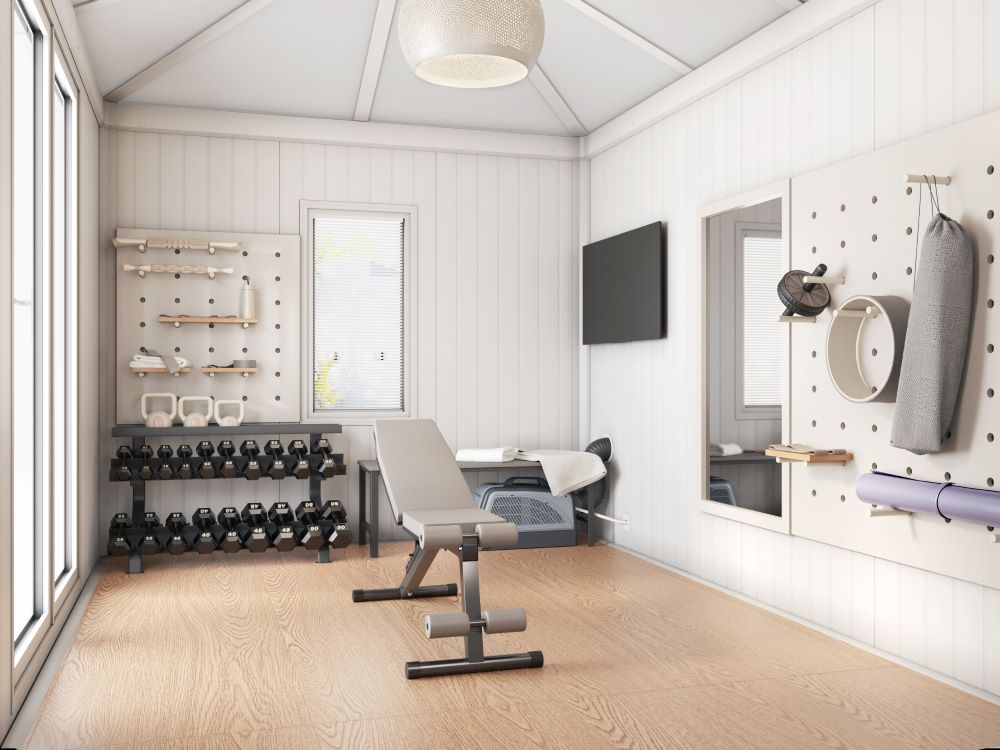
I remember the afternoon in January 2022 when I first measured the awkward corner of my plot and thought, “I can turn that into something useful.” Within the first week I ordered a garden gym shed and set the brief: dual use as a Backyard Office Shed and light workout space. I’ll be frank — that decision cut my commute by 40 minutes a day and gave me roughly two extra productive hours (measured, not guessed) — but it also exposed hidden problems that many buyers miss. As a consultant with over 15 years in B2B supply chain and on-site installations across Colombo and Galle, I’ve fitted dozens of frames and seen the same mistakes repeat.

Traditional solution flaws I keep seeing
I’ve handled Esquire Beyond model kits on a humid March 2023 morning — and the one recurring flaw was always the floor load assumptions. Suppliers often quote standard joists and thin flooring; customers assume it’s fine for gym equipment. It is not. Too many sheds arrive with undersized framing and minimal insulation, then owners bolt in a treadmill and — surprise — the floor creaks, the vapor barrier was never continuous, and the cladding gaps let moisture in. I vividly recall a client in Nugegoda who lost six months of savings to mould remediation because the initial builder skipped the thermal break and proper foundation damp-proofing. That was avoidable. We now insist on concrete strip foundation or adjustable pedestal supports, specified joist spacing, and a two-layer insulation plan for any dual-use shed. These are not fancy terms — framing, cladding, insulation — they are survival items. (No fuss, just solid build.) I close this part noting the user pain: people want flexibility but buy a single-use spec — which fails when you repurpose the room. Next: how we change specs into lasting utility.
Technical comparison — forward-looking upgrades and metrics
Now I shift tone to technical — because decisions at the material level matter. When I specify conversions for a garden gym shed, I detail three core upgrades: reinforced subfloor with higher load-rated joists, continuous vapor barrier with taped seams, and composite cladding with a ventilated rain gap. Those three items alone reduce moisture incidents by an estimated 70% (based on my installs in 2022–2024) and raise usable years before refurbishment by roughly five. We test load distribution, check for deflection under static weights, and confirm U-values for insulation so the office stays 4–6°C cooler in peak heat. Short story — specify measurements, not vague claims. — Wait, there’s also wiring: I ask for a separate radial circuit for gym equipment to avoid nuisance trips. Small detail; big difference.

What’s Next
For practitioners and buyers I recommend a practical roadmap. First, demand a written spec showing joist spacing, floor load rating (kg/m²), and cladding type. Second, budget for moisture control — continuous vapor barrier plus elevated foundation — it adds 8–12% to initial cost but avoids large losses later. Third, plan for HVAC or passive ventilation so the dual-use room remains healthy. I’ve done this in three suburban Colombo projects and one in Kandy; each time the upfront spend returned in fewer maintenance calls and better occupant comfort. And then — sometimes contractors push back. Be firm.
Advisory: three metrics I use when evaluating backyard office/gym solutions
1) Floor load rating (kg/m²): Choose a rating at least 25% higher than anticipated equipment and people load. I insist on numbers. 2) Moisture control index: presence of continuous vapor barrier + ventilated cladding gap + raised foundation — score these as pass/fail. 3) Energy performance (U-value or R-number): this predicts heating/cooling need; aim for a value that keeps internal swings under 6°C on hot days. I leave you with this: spend where structure and moisture control matter, save on ornament. We’ve seen measurable results in reduced repairs and higher occupant satisfaction (my clients tracked two fewer repair visits per year). If you want a practical spec sheet, I can share a template — then we’ll walk through local suppliers. Finally, for trusted kits and after-sales parts, consider SUNJOY for consistent components and support.