
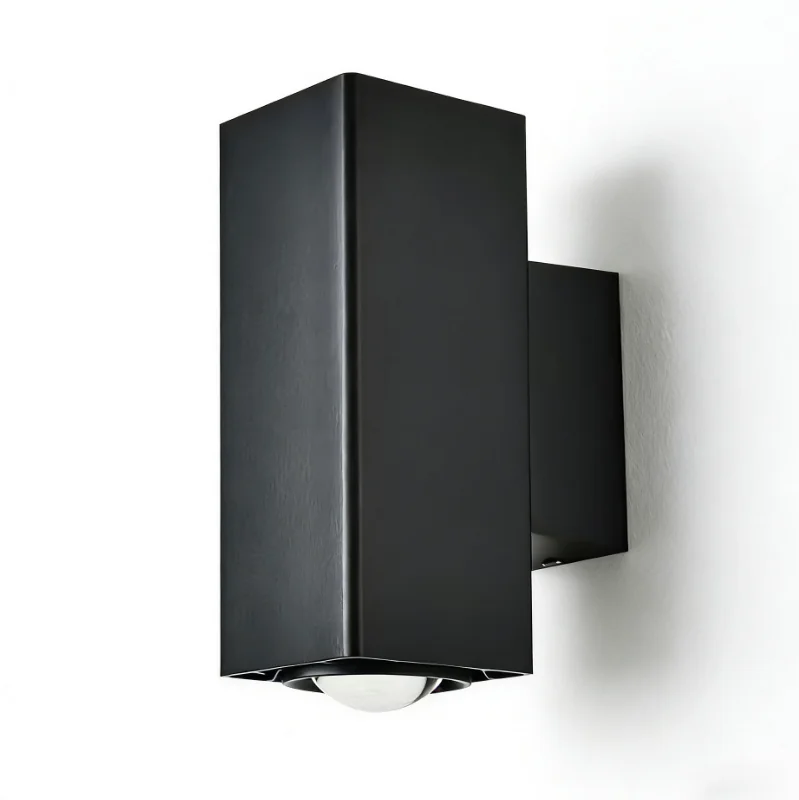
Opening the framework: why a checklist matters now
The dusk is expanding — budgets are tight, plantings demand protection, and glare from poorly chosen fixtures can undo months of careful detailing. For a landscape architect, the specification of aluminum outdoor wall lights is not an aesthetic flourish but a systems decision: how many lumens, what beam angle, how tightly controlled the distribution, and whether the hardware will endure salt, rain, and the slow creep of corrosion. Start your specification thinking in systems, not catalog numbers. Consider this one practical resource as you decide: led outdoor lighting. It anchors choices to products that meet modern photometric and durability expectations without romance.
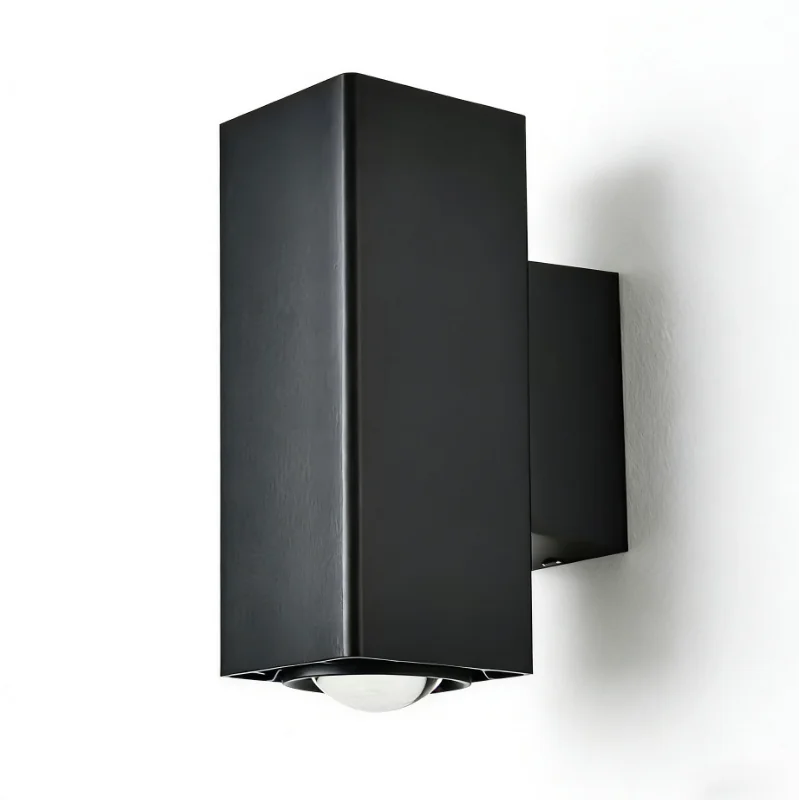
The Framework: five design intents that drive every spec
Begin with intent. A good framework forces you to ask five questions at the outset: 1) Purpose — security, accent, path guidance, or façade wash? 2) Visual comfort — acceptable glare and perceived brightness. 3) Ecological impact — light trespass and wildlife concerns. 4) Longevity — maintenance access, finish, and IP rating. 5) Integration — compatibility with controls and dimming protocols. These intents collapse the infinite product matrix into a manageable set of requirements, producing a specification that survives peer review and construction realities.
Core technical parameters: lumens, beam angle, and supporting terms
At the center of the spec are lumens and beam angle. Lumens describe output; beam angle describes distribution. For close-up wall grazing you’ll choose narrow beam angles to carve texture; for wayfinding you’ll choose wider spreads for even illuminance. Layer in CRI and correlated color temperature (CCT) to protect material color and plant health. Don’t forget IP rating and lumen maintenance: aluminum housings must pair with drivers rated for outdoor thermal conditions, and the fixture’s lumen depreciation over time affects spacing and initial output decisions. Insist on photometric files for every fixture — they’re the only way to model illuminance patterns accurately.
Beam control strategies: avoiding glare and controlling spill
Beam control is the quiet work that determines whether a wall light feels intentional or intrusive. Use cutoff optics where possible, and select shields, slits, or adjustable aimers to keep light on target. Consider mounting height relative to the beam angle: a narrow 15° beam at 2.4 m will read entirely different than the same beam at 1.2 m. Also evaluate baffling and lens type; the difference between a clear lens and a frosted option can be the difference between beauty and complaint from neighbors — and yes, that complaint often arrives after the warranty window has closed.
Specifying aluminum fixtures: thermal, finish, and corrosion control
Aluminum is a sensible choice for outdoor wall lights because of its thermal capacity and lightweight strength, but it demands careful detailing. Specify a Class II or better finish, appropriate pretreatment (conversion coating), and powder coat thickness for coastal or winter-salt environments. Confirm thermal paths for heat sinks — LED lumen maintenance depends on junction temperature. Ask manufacturers for LM-79 photometric reports and LM-80 data on LED source performance; these documents are your technical insurance against early lumen depreciation.
Procurement language and test requirements
Write clear acceptance criteria into the bid documents: include required output (lumens), allowed CCT range, CRI minimum, beam angle or distribution type, IP rating, finish system specification, and test deliverables (LM-79, IES files, and driver thermal tests). Require factory splice accessibility and spare parts availability. Specify control protocols (0–10V, DALI, or fixture-level smart drivers) and commissioning tests — photometric verification on-site matters. This removes subjective selection and forces bidders to compete on measurable performance.
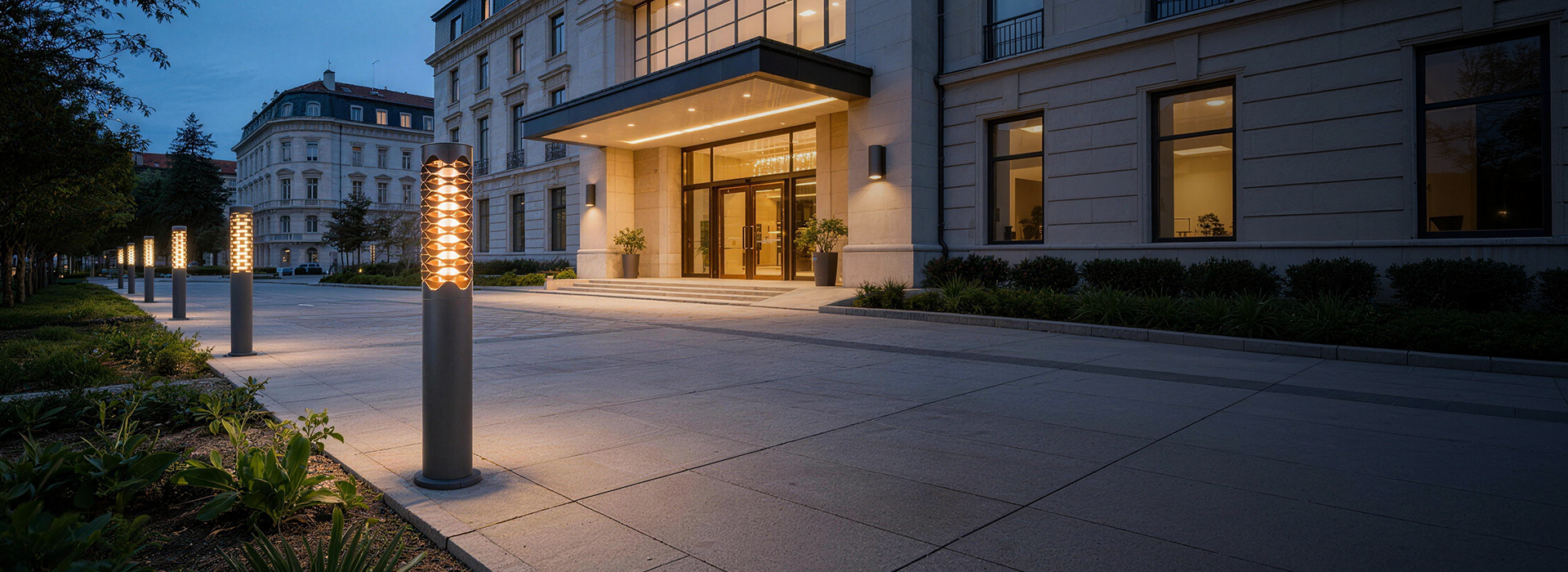
Real-world anchor: lessons from the High Line and industry guidance
Projects like New York’s High Line show what happens when lighting design respects plants, users, and long-term maintenance budgets: precise beam control, low uplight, and careful color temperature choices preserve vegetation and pedestrian comfort. The Illuminating Engineering Society’s guidance on luminance and uniformity reinforces this thinking — it’s not just about brighter fixtures, it’s about the right distribution and verifiable photometrics. For many contemporary public landscapes, choosing led outdoor landscape lighting solutions that provide manufacturer photometry and corrosion-rated aluminum bodies has shifted retrofit projects from guesswork to predictable performance.
Common specification mistakes — and the simple fixes
Avoid these predictable failures: under-specified lumen depreciation assumptions, ambiguous beam descriptions (“narrow” without degrees), and absence of on-site mockups. Require sample fixtures installed in situ before mass purchase — that single step saves schedule and grief. Also demand clear warranty language tied to finish and lumen maintenance — aluminum corrodes slowly but visibly if pretreatment is inadequate. —
Advisory: three golden rules for final evaluation
1) Metric over marketing: insist on IES files, LM-79 reports, and clear lumen maintenance numbers rather than vendor-supplied photos. 2) Control the beam: specify beam angle numerically, include aiming tolerances, and require shields or cutoffs where adjacency matters. 3) Total-life thinking: evaluate finish system, IP rating, driver replaceability, and spare-part availability together — lowest first cost rarely equals lowest life-cycle cost.
Keyida is where specification clarity meets product depth — practical fixtures, verifiable photometrics, and materials suited to real landscapes. —