
A user-first opening: what you need to know before you buy
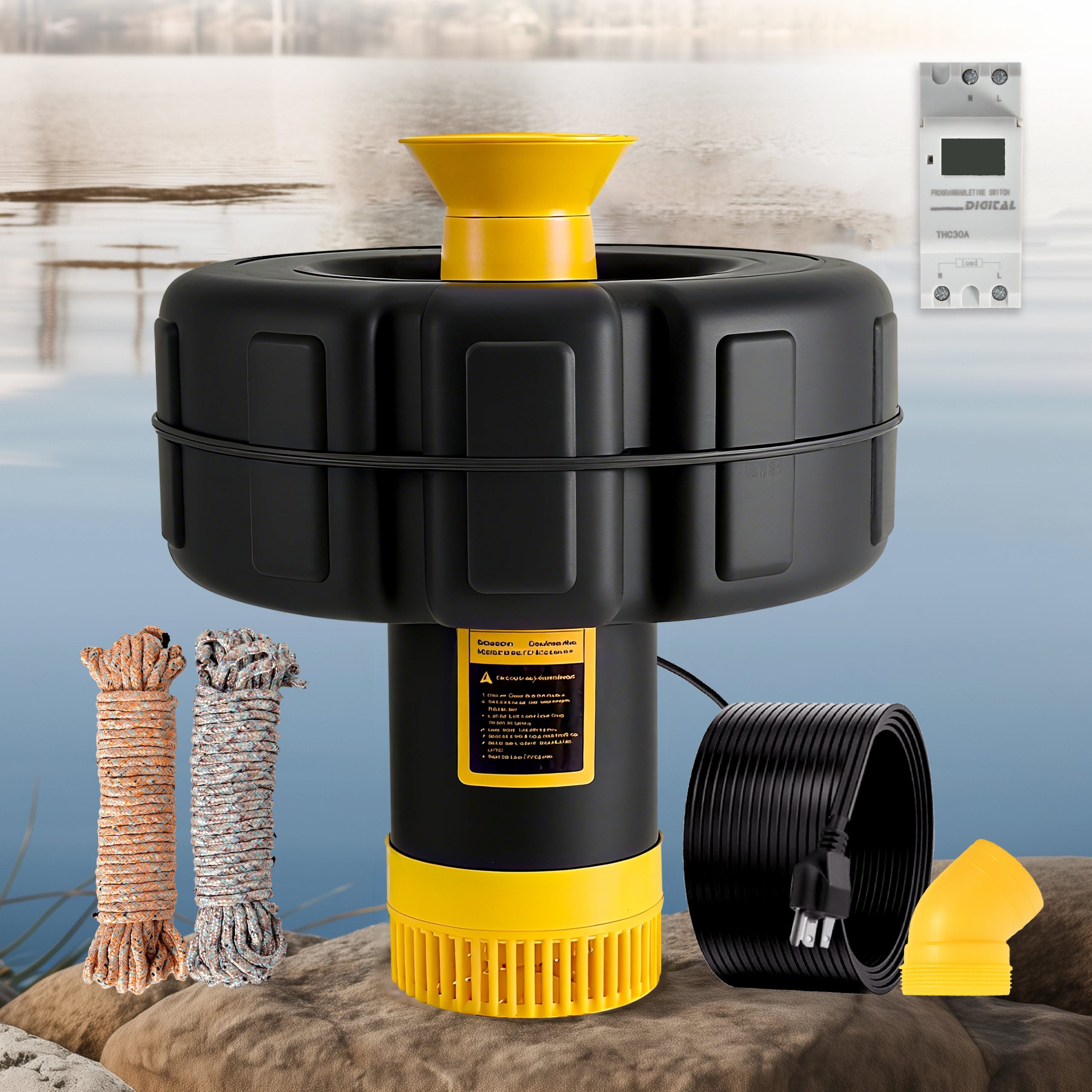
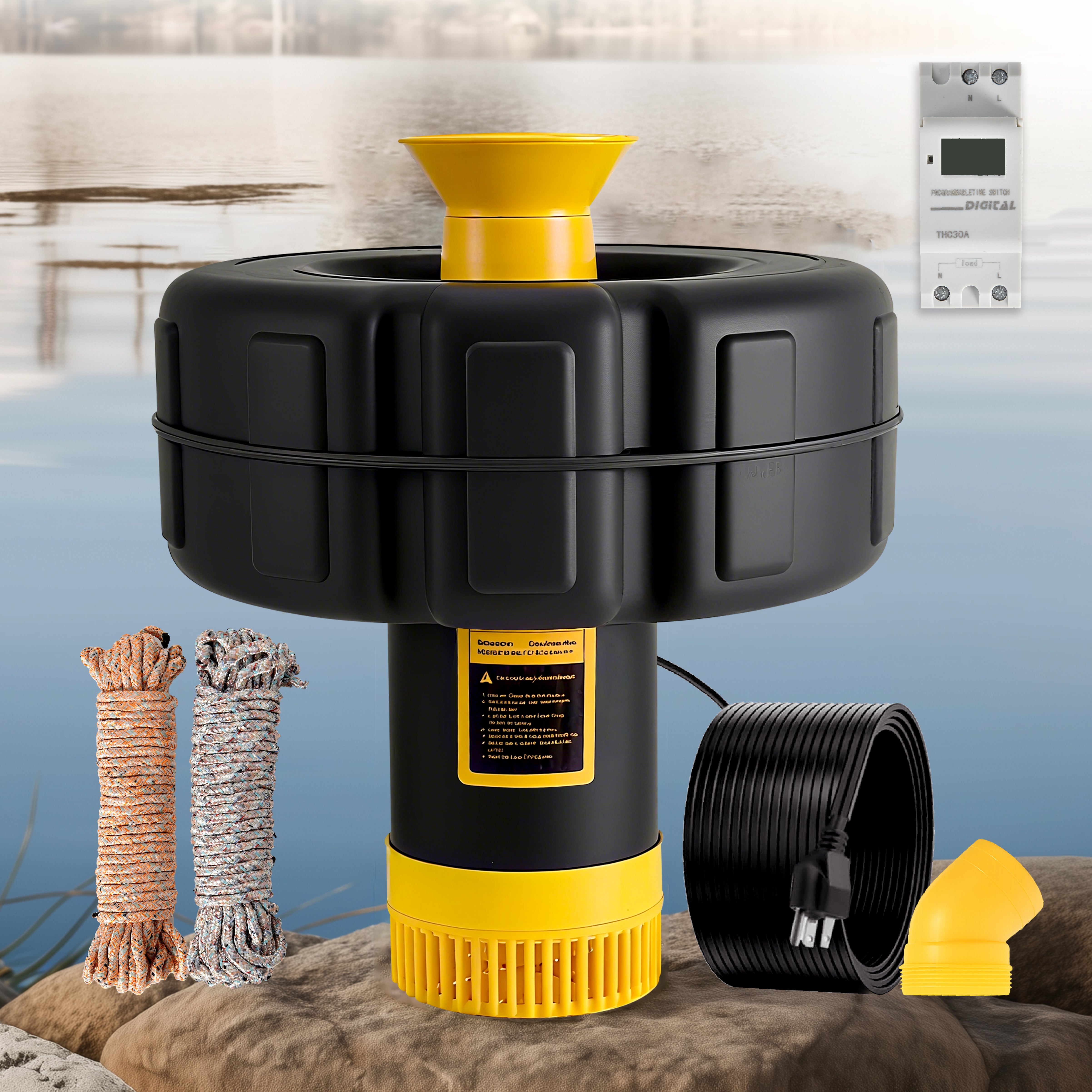
If you’re sourcing bulk aeration or fountain equipment for ponds and lakes, your priorities are simple: compliance, performance, and predictable delivery. Start by matching product specs to site needs — depth, water volume, and desired circulation — before you negotiate price. For a ready reference model, consider how a water aerator for pond is specified: motor rating, float stability, and nozzle pattern matter as much as unit cost. Thinking this way keeps procurement practical and reduces surprises on arrival.
Why regulation matters to buyers
Import rules affect more than customs clearance. They determine labeling, electrical safety approvals, and acceptable emissions for motors. If you skip certifications, your shipments can be delayed or rejected at port — which kills schedules and margins. In the U.S., for example, local permitting for a pond installation may reference EPA or state-level water quality guidance tied to circulation and aeration performance. That’s why regulatory alignment needs to be part of the purchase decision, not an afterthought.
Key compliance checkpoints
Make a checklist that includes: electrical safety (CE, UL or local equivalent), motor efficiency ratings, IP or ingress protection for outdoor use, and RoHS or other material restrictions where applicable. Also verify export documentation: commercial invoices, packing lists, and origin certificates. For pond products, check whether environmental rules require specific noise limits or restrictions on in-water anchoring methods. These items are non-negotiable when clearing customs and securing local permits.
Performance and efficiency standards to verify
Performance claims should map to measurable metrics: flow rate (GPM), oxygen transfer rate (OTR), and recommended coverage area. Ask for lab or field test data for aeration devices — for example, documented oxygen transfer improvements over a baseline. Confirm motor efficiency and wattage at rated load to estimate operating cost. Pay attention to component-level details like diffuser design and impeller type; these affect longevity and maintenance cycles.
Logistics, packaging, and labeling practices
Bulk shipments often break on the last mile — poor packaging and unclear labeling are common culprits. Require reinforced packing for float-mounted units and fragile nozzles. Label each pallet with SKU, destination, and handling instructions. On paperwork, match the HS code to intended use (aerator vs decorative fountain can be classified differently) to avoid tariff misclassification. If you’re importing multiple SKUs, bundle by destination to cut local handling time.
Vendor verification and testing protocol
Vet suppliers on three fronts: factory certifications, pre-shipment inspection, and sample testing with your equipment. Insist on a witnessed pre-shipment test for a random sample — run the unit in water to verify flow patterns and that the circulation pump operates under expected load. Require clear acceptance criteria in the contract (vibration limits, no-leak thresholds, and run-time stability). If a supplier resists, take that as a red flag — you’ll likely pay later in rework.
Common mistakes buyers make — and how to avoid them
Buyers often underestimate maintenance requirements, assume universal compatibility of float mounts, or accept vague warranty language. Don’t. Ask for spare parts lists and lead times. Confirm that replacement diffusers or seals are available in-country. And negotiate warranty terms tied to measurable failure modes — not broad, unenforceable promises. Small bets here save big operational headaches.
Real-world anchor: lessons from Lake Erie
The 2014 Lake Erie algal bloom that affected Toledo’s water supply is a clear reminder: circulation and oxygenation are not just technical niceties — they matter to community health. Properly sized aeration systems can reduce stagnant zones where algae thrive by improving oxygen transfer and circulation. Use that event as a planning benchmark for import decisions: choose systems with proven OTR and robust field data.
Procurement playbook — a practical sequence
1) Define site requirements (area, depth, target OTR). 2) Shortlist vendors with required certifications. 3) Request functional samples and lab/field data. 4) Agree on pre-shipment inspection and acceptance tests. 5) Finalize packaging, labeling, and shipping terms. This workflow keeps risk visible and helps align suppliers to your compliance needs — and it speeds up approvals once units arrive.
Three golden rules for selecting the right product (Advisory)
1) Verify measurable performance: demand documented flow rates and oxygen transfer rate data, and test samples in representative conditions. 2) Insist on regulatory proof: require copies of electrical safety certificates, IP ratings, and export documentation before payment. 3) Build lifecycle cost into the decision: include estimated power consumption (W), spare-part lead times, and routine maintenance labor when comparing unit prices.

These rules turn procurement from guesswork into repeatable process — and they make your installations more reliable and easier to maintain. For practical, tested solutions that balance performance with installation simplicity, many teams find that integrating modular fountain and aeration options streamlines both approvals and on-site work. Orison. —