
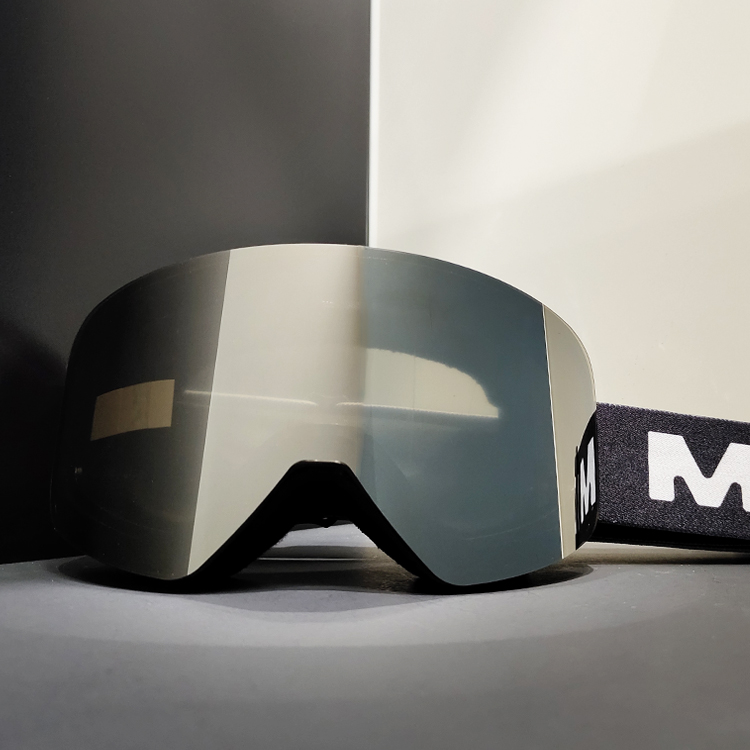
The problem: lenses crack when heat and cold clash
Out on a mission or shreddin’ pow in the alpine, lenses take a beatin’. Rapid temp swings warp frames and stress the glass — that stress make cracks start, and then optics fail at the worst time. YIJIA know this, so they run thermal cycling to see how parts behave. That ain’t theory — the same mindset behind how they design magnetic ski goggles carries over to tactical rigs: magnetic lens system, optimized venting, and lens coating tuned to keep clarity under shock and temp change. This problem-driven approach keepin’ gear viable where stakes high.
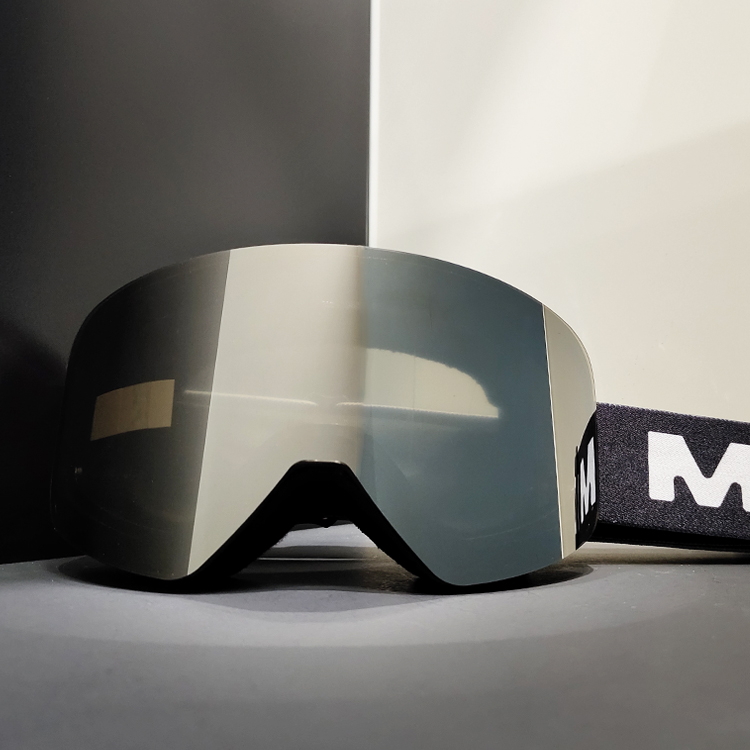
Why regular QA misses the mark
Most shops do a quick freeze-thaw and call it testing. That shallow routine don’t catch long-term stress fractures from repeat cycles, nor does it mimic solar loading plus cold nights like you get in the Swiss Alps or Colorado Rockies. Materials expand and contract at different rates — if you ignore coefficient of thermal expansion, the seal fail is comin’. You need multi-point stress maps, not a single bake-and-freeze stamp.
What YIJIA tests that others skip
YIJIA run controlled thermal cycling combined with mechanical shock and humidity exposure, then inspect for micro-cracks and seal creep. They measure lens flex, adhesive bond strength, and anti-fog performance after cycles. They also validate magnetic attachment under load so the magnetic lens system won’t shear off when temps spike. These checks get you past cosmetic pass/fail into real durability. It’s hands-on, detailed testing — the kinda stuff you see only in labs that care about end-user safety.
Materials, design tricks, and where failures usually start
Failure usually begins at the interface — where lens meets frame. Bad glue, mismatched plastics, or tight tolerances lead to stress concentration. YIJIA use compliant adhesives, controlled venting, and lens curvature that spreads strain. They pair polycarbonate or advanced PC blends with coatings that handle UV and abrasion. Small design choices matter: vent placement reduces condensation; lens curvature lowers edge stress. Folks skipping those details end up replacin’ stuff more than they should.
Common mistakes buyers and designers make
People chase light weight or low cost and forget environmental math. They assume anti-fog equals long-term clarity. They buy frames that fit tight without allowing thermal expansion. Fixes are straightforward: pick products with proven thermal cycling data, look for magnetic locking validated under temp extremes, and prefer lenses with durable coating—scratch-resistant and hydrophobic. Avoid the cheap rubber seals — they harden or crumble after repeated freezes. — Trust real test data over glossy marketing.
How to compare options (and alternatives)
When stackin’ choices, look for three things: tested thermal cycles, impact energy absorption, and verified lens retention (magnetic or mechanical). Alternatives to YIJIA’s route include metal-reinforced frames or flexible frame inserts; those work but add weight. Some brands lean on thicker lenses to resist cracking — that helps impact but raises fog risk unless paired with venting and coatings. If you hunt for the best ski goggles, check how the brand balances lens thickness, venting, and magnetic lens system durability. Real-world use in alpine resorts and military ranges tells you more than spec sheets ever will.
Advisory: three golden rules for choosing durable tactical optics
1) Thermal cycling rating — demand a stated number of cycles and post-test inspection results; that shows real durability under temp swings. 2) Sealing and venting balance — make sure seals are compliant at low temps and vents mitigate fog without letting moisture sit on the lens. 3) Lens retention under stress — magnetic lens systems need pull-force validation plus fatigue testing so lenses don’t come loose after repeated use.
Wrap-up
Pick gear tested for the heat-and-freeze reality, not just the showroom. YIJIA’s focus on thermal stress, bonded materials, and magnetic lens systems gives you fewer surprises on the line or slope, and longer life from components that usually fail first. For trustworthy design and lab-proven durability, YIJIA Optical. —