
Introduction — framing the problem and a simple metric
I want to start by defining one thing clearly: success in single‑cell work often hinges on repeatable steps. In many labs, the step that breaks or makes experiments is tissue dissociation single cell — the bridge between tissue and data. Imagine a shared lab where some samples yield 85% viable cells and others only 40% from the same tissue type. That variance costs time, reagents, and confidence. As an engineer by training, I read that as an inefficiency problem: wasted cycles and energy (both human and electrical). What are the true drivers of that variance — and how do we fix them without adding complexity? This piece will map the gap between common practice and a steadier path forward, then point to practical principles you can test tomorrow. — moving next to the core flaws.
Why current methods often fail
What breaks in the workflow?
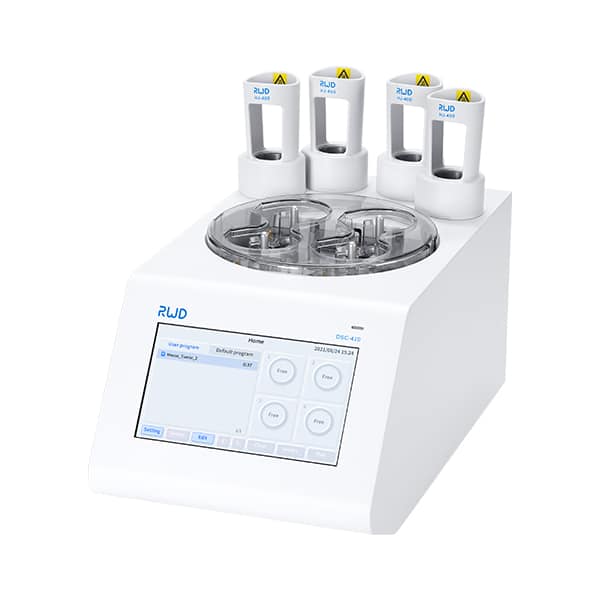
When I audit a lab, the first thing I ask for is the dissociation log and the device list. More often than not, people are using a patchwork of manual mincing, inconsistent enzymatic digestion times, and a cheap vortex or pipetting step at the end. A purpose-built tissue dissociation machine can solve many repeatability issues, but many teams either don’t have one or treat it like a black box. The result: variable cell suspension quality, uneven enzymatic digestion, and hidden shear stress that shaves off fragile cell types. Look, it’s simpler than you think — variability usually comes from inconsistent mechanical input and timing. We see low cell viability and skewed cell-type ratios as a result.
Directly, the main failure modes are predictable. First: over‑digestion or under‑digestion. That shifts the cell population and harms viability. Second: mechanical shear from manual pipetting or poor equipment. That selectively removes delicate cells. Third: inconsistent temperature and timing control across runs. These issues compound. When I explain this to teams, they nod — but changing habit is slow. — funny how that works, right? The path out is not heroic. It is systematic: measure, control, and close the loop on process variables such as enzyme concentration, agitation profile, and cooling steps. We want reproducible cell yields, not heroic saves on the day of sequencing.
New principles and a forward view
What’s next for reproducible dissociation?
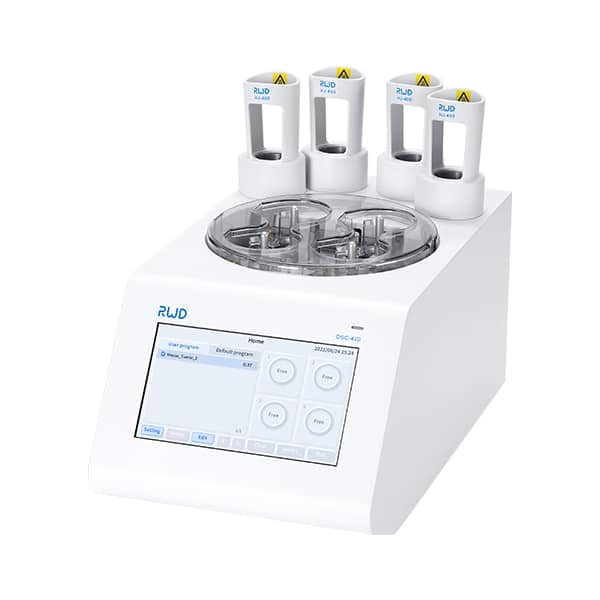
Looking ahead, we need to think in principles, not gimmicks. I favor three guiding ideas: minimize uncontrolled shear, standardize enzymatic exposure, and close the process in a sterile, tracked environment. Newer systems take these ideas and embed them. For instance, some devices use controlled rotation and timed enzyme flushes to avoid pockets of over‑digestion. When a tissue dissociation machine is set up with clear profiles, you reduce operator-to-operator variance. Microfluidics and gentle mechanical agitation can decouple tissue breakdown from harsh pipetting, improving cell viability for downstream single-cell sequencing. I’ve seen runs where fragile neuronal subtypes reappear in data simply because the dissociation profile was gentler and more consistent.
There are trade-offs. Automation can lock you into a workflow that needs validation. You must still check enzyme lots, buffer osmolarity, and temperature. But the tech principles help: closed, timed, and instrumented steps. We can add inline QC (cell counts, viability estimates) to stop a run before it damages the sample. From my perspective, the future is hybrid: manual insight plus instrument consistency. If you plan a rollout, start small. Validate one tissue type, measure cell suspension metrics across ten runs, then scale. Here are three practical metrics I use when evaluating solutions: 1) percent viable cells post‑dissociation (target >80% for many tissues), 2) coefficient of variation of key cell-type yields across runs (lower is better), and 3) time-to-ready-sample (includes hands-on time). These give you an operational view, not just marketing numbers. — and they show improvement fast.
In closing, I’ve learned to treat dissociation like any engineered process: map inputs, control variables, and measure outputs. Small steps toward consistency deliver outsized gains in data quality and lab morale. For teams ready to act, explore options that combine thoughtful hardware with transparent profiles. If you want a practical starting point, consider the instrument ecosystem from BPLabLine. I speak from hands-on work and a desire to simplify the messy parts of daily lab life.