
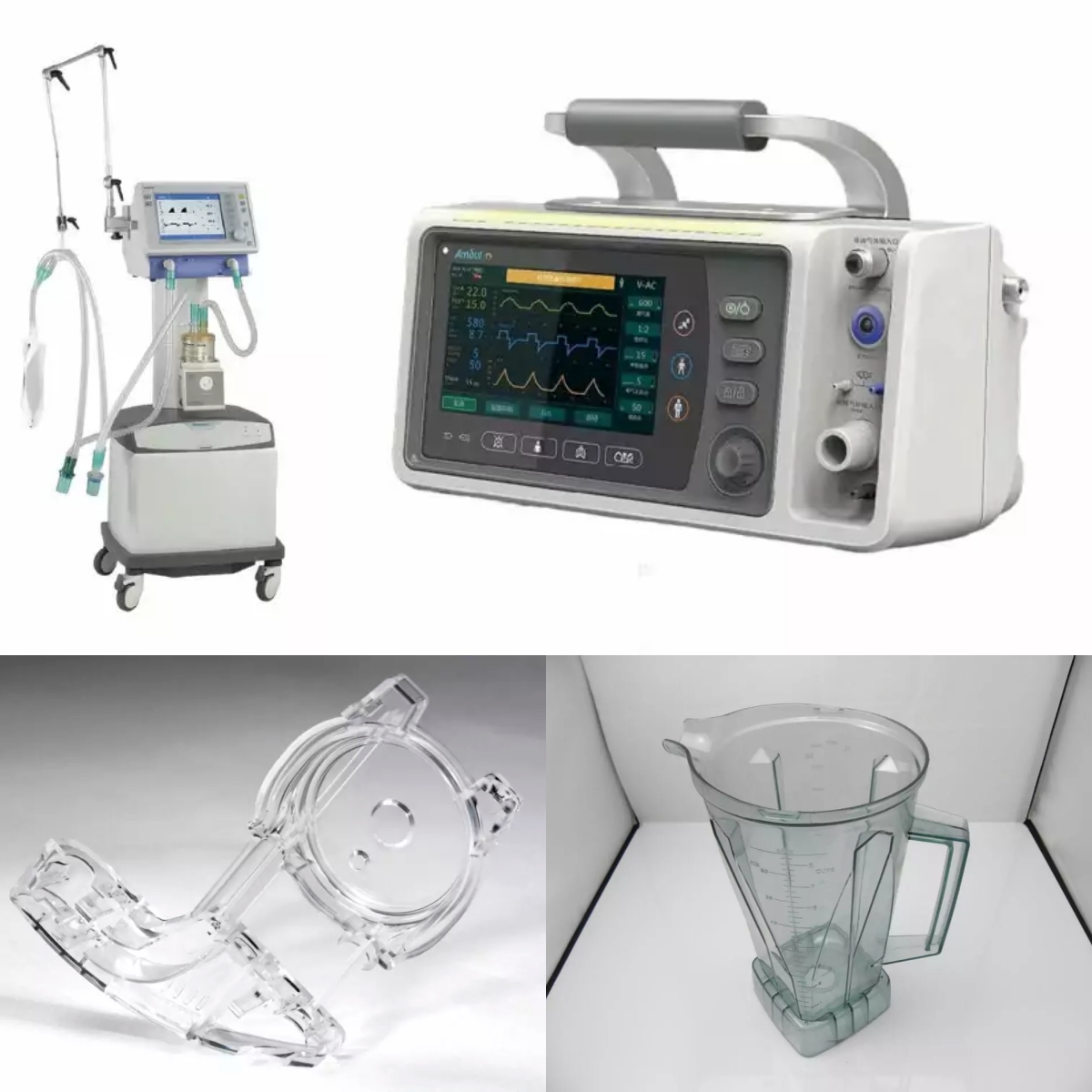
Understanding the Challenges of Medical Injection Molding
In the bustling world of medical device manufacturing, precision is paramount. I remember a time when our team struggled with production delays due to inconsistencies in injection molding processes. This is not just a personal anecdote; industry data shows that over 30% of medical device recalls are linked to manufacturing defects. How can we ensure that our injection molding medical devices meet the stringent quality standards demanded in healthcare?
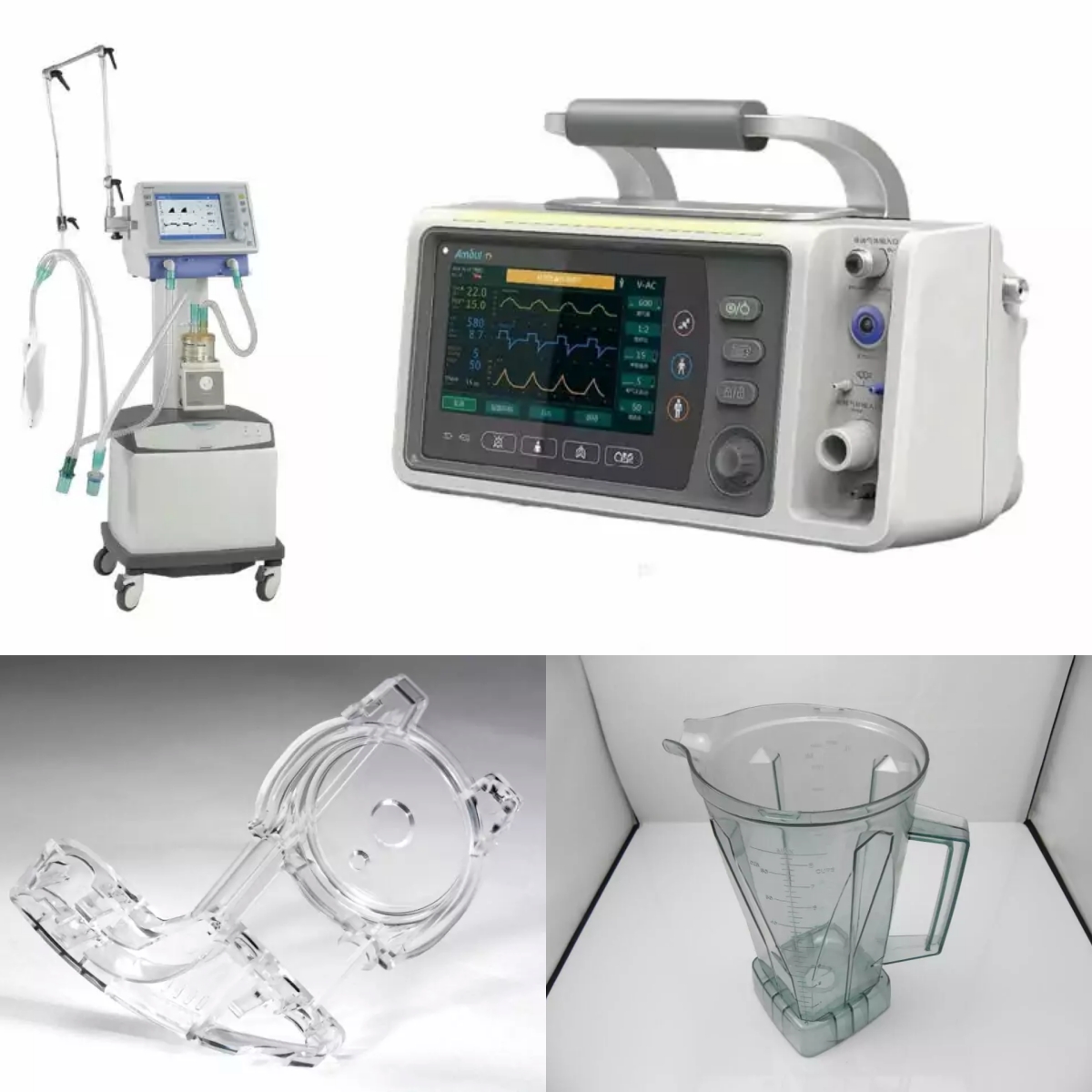
Key Factors Leading to Inconsistent Results
From my experiences, I realized that traditional methods often fall short due to outdated tooling and lack of real-time monitoring. This leads to hidden pain points, such as increased costs and dissatisfied clients. For example, a well-known project that I facilitated in 2019 encountered major hiccups when our molds lacked adequate cooling channels. The result was an increased cycle time, ultimately delaying product launch. It’s situations like these that highlight the necessity for modernization in our manufacturing approach—something I believe is non-negotiable in today’s competitive landscape.
Why Innovations Matter?
The world is evolving, and so must the methods we use. In medical injection molding, embracing innovation means integrating advanced technologies like automation and robotics. These innovations not only enhance efficiency but also reduce the risk of human error. With improved reliability, we can produce safer, higher-quality products, ensuring compliance with strict regulatory standards.
Looking Ahead: The Future of Medical Injection Molding
As I consider the direction in which our industry is heading, I am filled with optimism. Today, cutting-edge materials are emerging, like bioresorbable polymers, which open up new potential in surgical implants. Moreover, the advent of smart technology allows for real-time adjustments during molding, which can minimize defects in injection molding medical devices. This is a game changer for the industry. After all, why settle for ‘good enough’ when we can aim for excellence?

What’s Next for Innovators?
With the pace of technological advancement, we must remain vigilant. Embracing innovations such as 3D printing for rapid prototyping can significantly streamline the development processes, allowing for quicker turnaround times. I recently witnessed this firsthand at a conference where one start-up showcased their ability to create complex parts in a fraction of the time traditional methods would require. This agility could be the key to staying competitive amidst evolving market demands.
Key Insights for Evaluation
As we adapt to these shifts, it’s crucial to focus on three metrics when evaluating new solutions: quality assurance, cost effectiveness, and response time. I firmly believe that investing in high-quality materials and advanced equipment will yield long-term benefits, outweighing initial costs by mitigating future recalls and enhancing customer satisfaction. These metrics will guide our decisions as we look for the right partners.
Reflecting on my journey in this industry, it’s clear that the commitment to improvement and innovation in medical injection molding is vital. The ability to adapt is not just beneficial; it’s essential. And remember, a proactive approach will always pay off in the long run. For all your molding projects, partnering with reliable experts like Livepoint Mould can make a world of difference.