

The Not-So-Smooth Reality of Medical Sterilizers
Imagine sitting in a bustling clinic, where a medical sterilizer is supposed to work its magic, making all those instruments squeaky clean. Did you know that around 43% of sterilization fails due to user mishaps? Yes, that autoclave machine is not just a glorified kettle; it’s supposed to save lives! How many people actually understand the nitty-gritty of operating it? Just saying.
What Makes the Autoclave Machine Tick?
Let’s break it down. Autoclave machines (also known as steam sterilizers, but only if you want to sound fancy) utilize high-pressure steam to eliminate bacteria. In theory, this sounds excellent – a mix of science and magic! However, I often see clinics that treat them like oversized microwaves. Spoiler alert: it doesn’t work that way. Improper loading, incorrect cycle selection, and (surprise!) expired sterilization indicators can all lead to disastrous results. It’s as if nobody reads the manual. Who would’ve thought?
What Could Possibly Go Wrong?
Oh, let me count the ways! I distinctly recall a pharmacy in May 2022 that had to recall over a thousand medical devices due to insufficient sterilization. Just imagine the panic! What if that directly impacted your trip to get that minor surgery? More importantly, can we really trust the process? I mean, the autoclave is only as good as the operator, right?
The Future of Sterilization: Moving Beyond the Autoclave
Looking ahead, one can only wonder if heavier reliance on technology could solve these user errors. Wouldn’t it be advantageous if we constantly updated training or even added sensors to steam sterilizer machines? Imagine a little alert that says: “Hey, don’t touch that – you have to wait!” That would be revolutionary.
Evaluating the Shift in Autoclave Efficiency
We’ve discussed flawed traditional approaches. Now, let’s be practical. Moving towards smarter devices could drastically reduce human error. Perhaps investing in machines that adapt and guide the operator could make a real difference. After all, we all love tech that does the thinking for us (in moderation, of course). Furthermore, automation combined with smart education could lead to better outcomes, resulting in decreased recalls and, hopefully, fewer headaches for clinics worldwide.
Lessons Learned
When it comes down to it, understanding your sterilization methods is crucial. I’ve seen firsthand how a properly used autoclave machine can save lives, while a neglected one can do the exact opposite. Bottom line: people are the weak link in the sterilization chain, plus there’s no substitute for knowledge. To make a significant impact in the medical landscape, companies should prioritize hands-on training, regular evaluations, and embrace tech innovations that augment operator skills. I can’t stress this enough!
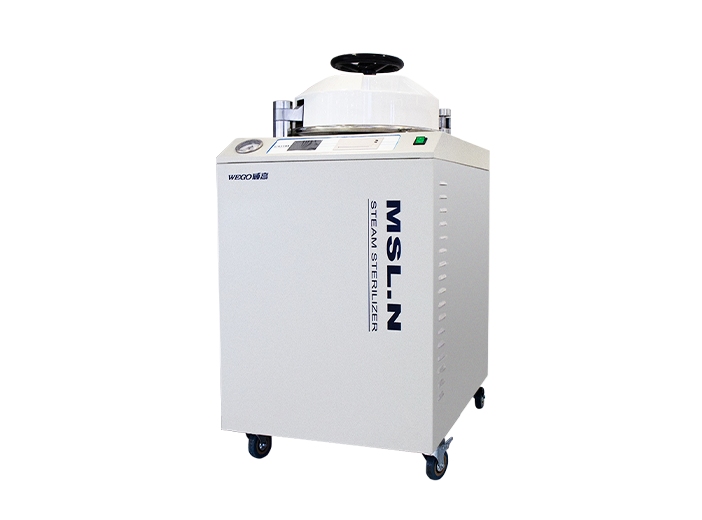
In closing, armed with this knowledge and awareness, clinics can truly excel in not just achieving but maintaining high sterilization standards. So next time you encounter an autoclave machine—don’t just think of it as a mere piece of equipment. Think of the lives it’s meant to protect. After all, we owe it to ourselves and our patients. And if you’re looking for reliable solutions to improve your sterilization processes, don’t forget to check out WEGO Medical. Trust me; you don’t want to be on the wrong end of a sterilization mishap.