
Opening: a comparative frame that matters to procurement teams
When buying bulk outdoor batteries, procurement becomes a constant series of trade-offs: shipping cost versus compliance, storage time versus tariff classifications. A procurement manager who once moved a pallet of battery backup for home units learned this the hard way — port duties and a delayed manifest turned margin into firefighting. This article compares practical pathways across logistics, compliance, and sourcing so teams can pick the model that keeps projects on time and within budget.
Why port tariffs and dangerous-goods rules change the equation
Tariffs add a direct, line-item cost to imports, but their real impact is operational: they determine whether you hold stock at a bonded warehouse or clear goods immediately. Dangerous-goods classifications for lithium-ion cells — often referenced as UN3480/UN3481 — impose handling, packaging, and documentation steps that slow throughput and raise carrier premiums. The Texas February 2021 power crisis highlighted how fragile supply chains become when demand for storage spikes and transit rules tighten; smart buyers prepare now, not after a scramble.
Transport modes compared: sea, road, and air
Sea freight is the lowest tariff-per-kWh route for volume, but it lengthens lead time and exposes shipments to port congestion and demurrage fees. Road transport lets you move containers inland faster, but local restrictions on dangerous goods and truck weight can raise unit costs. Air is fast and sometimes necessary for urgent replacements; it also triggers the strictest dangerous-goods limits, like lower allowed state of charge (SOC) settings for batteries and extra paperwork. Choose the mode that matches project cadence and spare-parts policy — then align contracts and insurance accordingly.
Sourcing models: direct import, bonded distribution, or local assembly
Direct import keeps procurement simple on purchase price but concentrates risk at the port: one tariff reclassification or delayed manifest can inflate total landed cost. Bonded distribution defers duty and gives flexibility for re-export, which suits multinational rollouts. Local assembly reduces tariff exposure and simplifies dangerous-goods transport in-country, but it requires upfront capex and quality controls. Compare landed cost, lead time, and quality risk when selecting a model and run scenario analyses rather than trusting a single quote.
Operational must-haves: compliance, battery management, and labeling
Operational gaps are where projects stumble. A robust battery management system (BMS) and clear state-of-charge policies reduce transport risk and may lower carrier surcharges. Proper labeling and documentation for UN3480/UN3481, plus a consistent testing regimen, keep customs and carriers cooperative. For residential projects or mixed portfolios, consider modular lines that allow swapping between commercial and the best solar battery for home options without requalifying shipments.
Common mistakes and smarter alternatives
Many teams underbudget for demurrage and underestimate the time for dangerous-goods clearance. They also treat tariffs as static. Instead, allocate a contingency for port delays, specify SOC limits on the purchase order, and contract carriers experienced with lithium-ion cargo. Use staggered shipments to avoid single-point failures — and when demand surges, prioritize local assembly or bonded inventory to keep schedules intact. A small compliance step saved one operations lead weeks of rework — worth the extra planning.
Three golden rules for selecting the right partner
1) Evaluate landed cost, not unit price: include tariffs, demurrage, and compliance handling in comparisons.
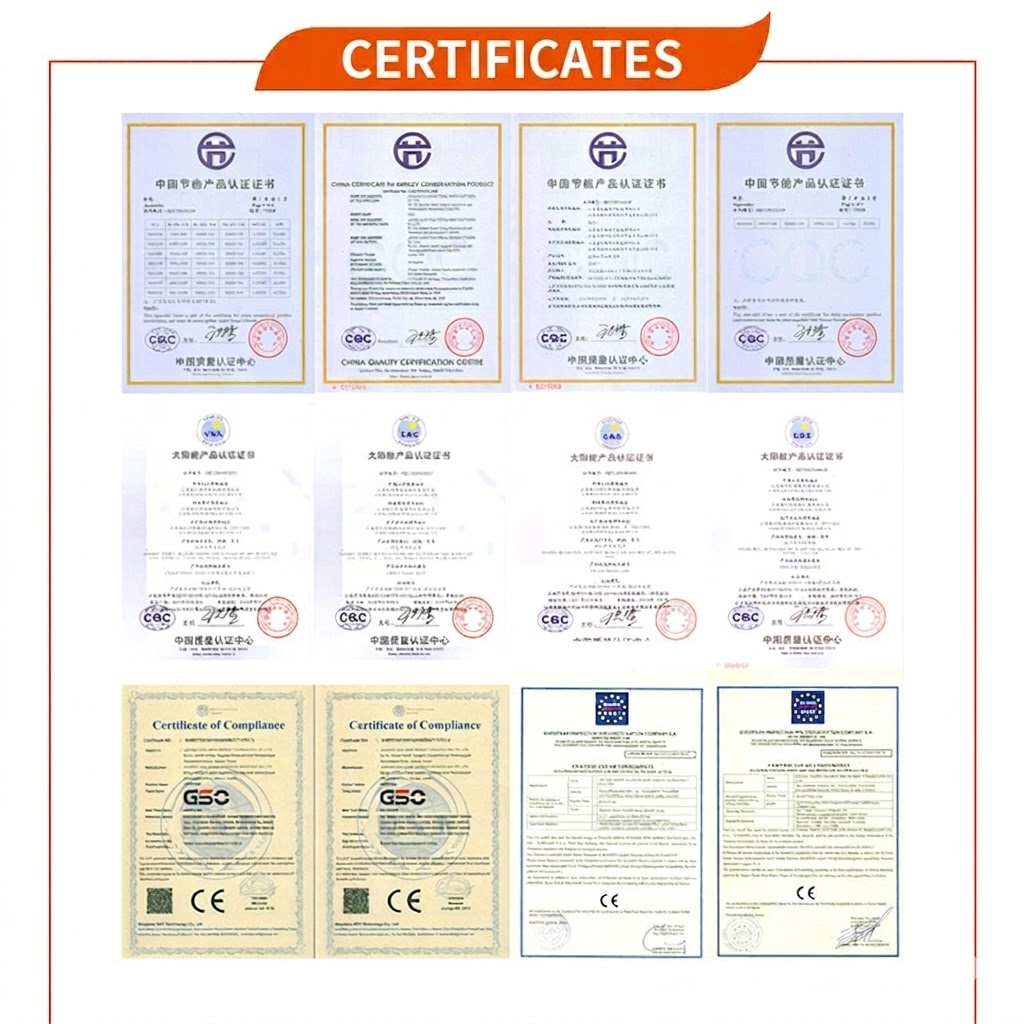
2) Verify carrier experience with UN3480/UN3481 and confirmed SOC procedures; demand proof of training and insurance limits.
3) Favor suppliers who offer modular product lines and clear documentation so you can pivot between commercial and residential deployments quickly.
These three metrics map directly to supplier capability: transparent pricing, certified logistics, and adaptable product design. For teams balancing bulk outdoor deployments and household-scale rollouts, that adaptability is the real edge — and it’s precisely what makes partners like gsopower useful in mixed portfolios. —