
Why this matters to you — straight and simple
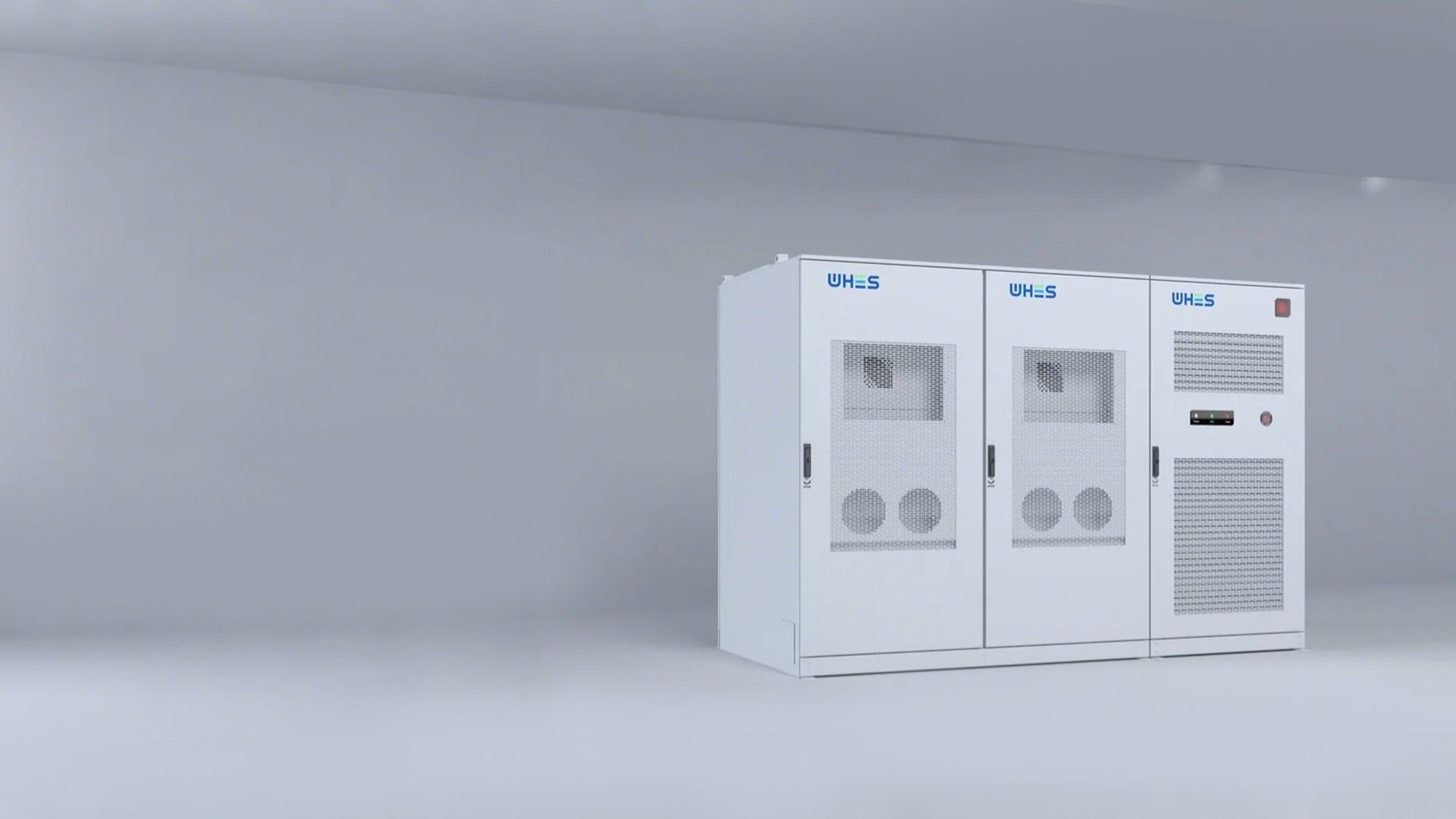
Yo — if you’re trying to make solar actually work for a house, a store, or a campus, it ain’t just panels and batteries no more. The real flex lives in power electronics and the bi‑directional inverter that lets energy flow both ways, on demand. That’s why systems like commercial energy storage are showing up where reliability and cash savings gotta meet — peak shaving, backup power, or selling grid services. User-first folks want predictable uptime, easy control, and a system that plays nice with existing gear — not some lab toy.
What these components actually do for you
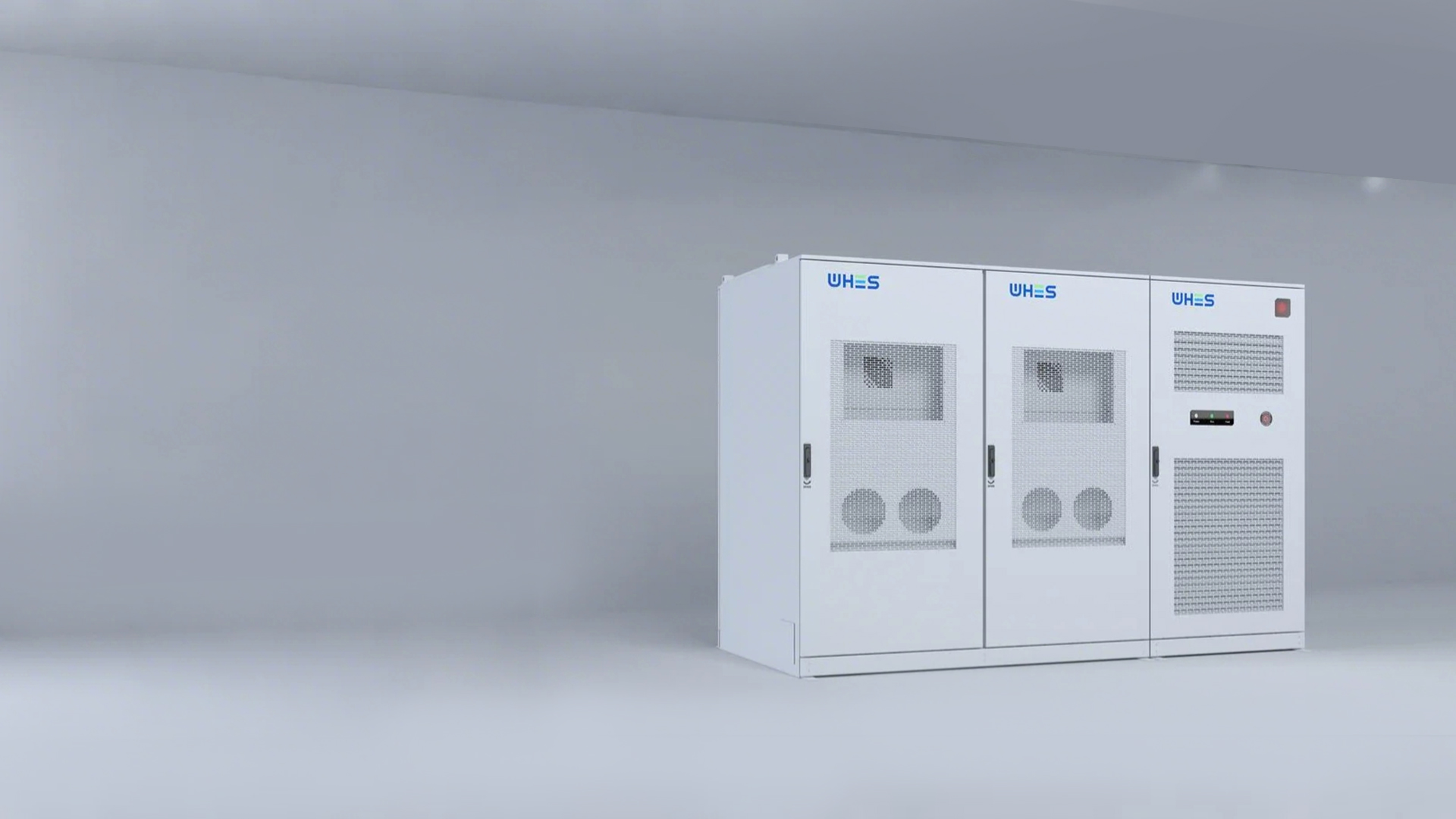
Keep it 100: batteries store juice, but power electronics decide when and how that juice matters. A bi‑directional inverter handles charge and discharge, so your battery can soak up midday sun and push power back to the building or the grid at night. Throw in an energy management system (EMS) and a tight battery management system (BMS), and you get coordinated behavior — State of Charge (SoC) limits, ramp rate control, and smoother frequency response. That’s the tech stack behind real savings, not just green flex on Instagram.
Core tech, no fluff
Here’s the lineup, straight up:
- Bi‑directional inverter — two-way power flow, grid interacting and backup-ready.
- Grid-forming vs. grid-following — grid-forming inverters can create stable local voltage and frequency when the grid’s down; grid-following ones need the grid alive to sync.
- DC-coupling vs. AC-coupling — affects efficiency and whether the inverter or the charge controller manages flows.
- Battery Management System (BMS) — protects cells, tracks SoC, and extends cycle life.
When these parts are tight, you get features like islanding for blackout resilience and fast frequency regulation for revenue streams. That’s not hype — that’s engineering that pays.
Real-world anchor: why this popped off in California
Remember California’s rolling blackouts in August 2020? Real talk — that event pushed owners and utilities to stop treating storage like a novelty. Cities and commercial sites started adding storage that could island and run critical loads when the grid dipped. Deployments increased because people needed resilience plus economics — peak shaving during high rates, and backup when Public Safety Power Shutoffs hit. Systems built with modern inverters and EMS logic proved the concept on the street — not in white papers.
Who benefits and how they use it
Different players, different wins:
- Homeowners: backup power for essentials, lower bills via time-of-use arbitrage.
- Small businesses: avoid downtime, shave peaks to cut demand charges.
- Commercial sites & microgrids: participate in ancillary markets with frequency regulation and demand response.
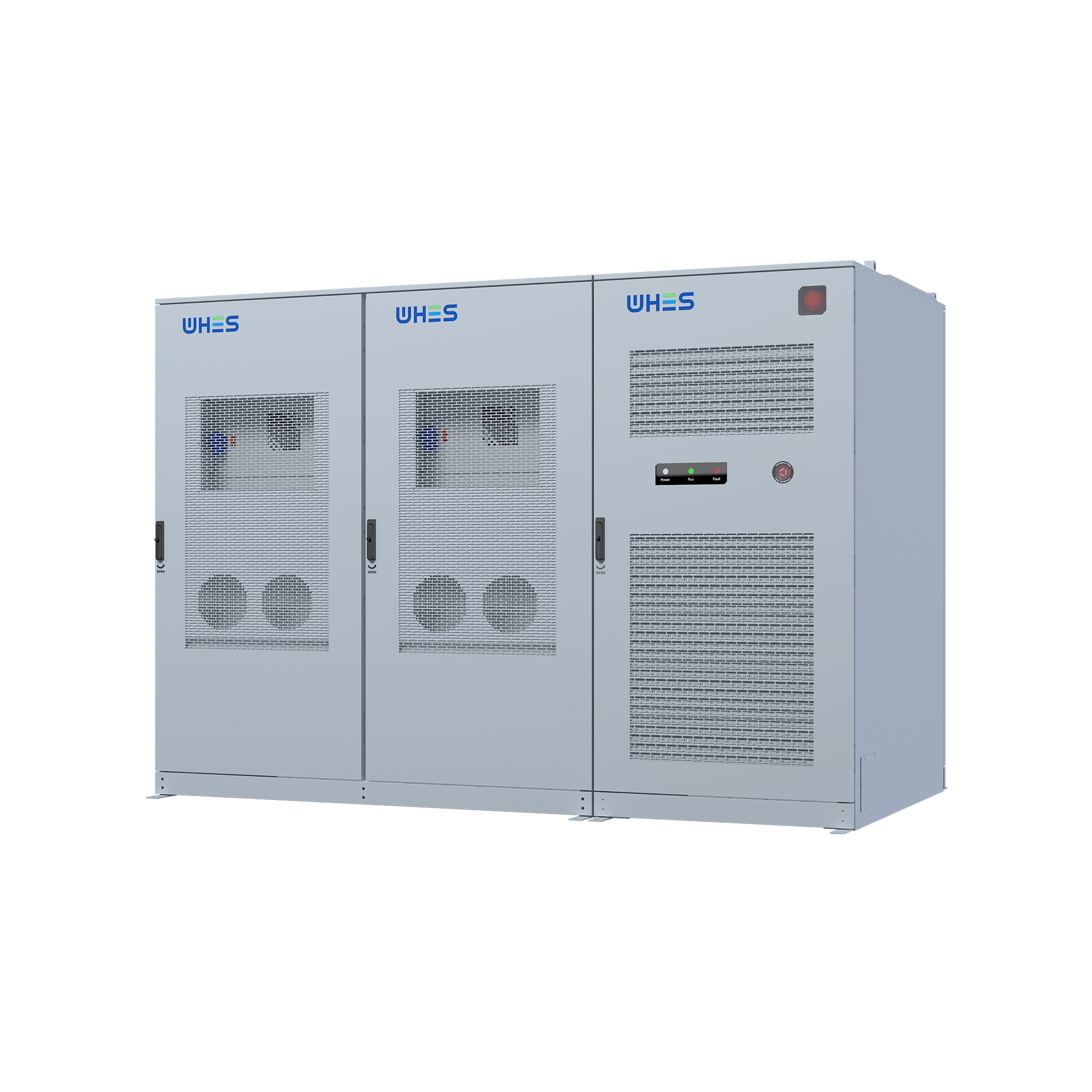
If you’re running a site that needs both uptime and optimized energy costs, leaning on a plug-and-play commercial bess that includes robust bi‑directional inverters keeps ops smooth and predictable — and yes, it scales with smarter EMS layers.
Common mistakes folks trip on — don’t sleep on these
People often oversimplify sizing and control logic — thinking bigger battery equals better outcome. Nah. Oversizing without proper inverter capacity or EMS rules wastes capital. Undersizing kills your resilience and ROI. Another slip: not specifying islanding capability or grid-forming behavior at purchase — so when the lights go out, the system won’t run critical loads. And don’t ignore cycle life and SoC constraints — aggressive dispatch without BMS limits burns cells faster. —
Integration checklist for buyers
Before you sign, run this checklist:
- Confirm inverter mode: Can it operate grid-forming when needed?
- Match inverter rating to peak load and charge rate — avoid bottlenecks.
- Ask about EMS rulesets: time-of-use, demand charge optimization, and islanding logic.
- Verify BMS protections and warranty terms tied to cycle performance and SoC windows.
- Plan for maintenance and firmware updates — these systems evolve like your phone.
Also check how the vendor handles commissioning and site testing — real deployments need real validation against the actual load and the real-world grid behavior.
Golden rules — three metrics that separate hype from value
When you evaluate offers, don’t get lost in glossy spec sheets. Use these three golden rules to judge if a system’s built for your life:
- Availability & response time: Measure expected uptime and how fast the inverter/EMS can island or respond to frequency events. That dictates whether the kit protects critical loads or just looks good on paper.
- Round-trip efficiency & usable SoC: Check chemistry-agnostic round-trip numbers and the vendor’s usable SoC range — this decides real energy delivered and cycle stress over time.
- Total lifecycle cost: Compare CAPEX + expected replacement cycles + firmware/service fees against projected savings from peak shaving and avoided outages. Run a three-to-five-year cashflow, not a headline price.
Use those metrics to filter vendors — and you’ll spot systems that promise “commercial bess” behavior versus ones that’re just marketed hype. The ones that nail it often pair smart inverters with a clean EMS and clear warranty terms.
Final take — value you can bank on
At the end of the day, modern power electronics and bi‑directional inverters make solar + storage practical — not just pretty. If you want resilience, savings, and a system that scales, prioritize grid-forming capability, an EMS that knows your load, and vendor transparency on lifecycle costs. For real-world projects that need that combo — reliability plus commercial-grade service — consider partners whose product portfolios and site experience match the use-case. WHES fits naturally into that convo as a provider focused on integrated systems that handle both the tech and the ops.
– steady flow.