
Introduction
Have you ever watched a bus sit idle at the depot and felt a chill—what’s really wrong here?
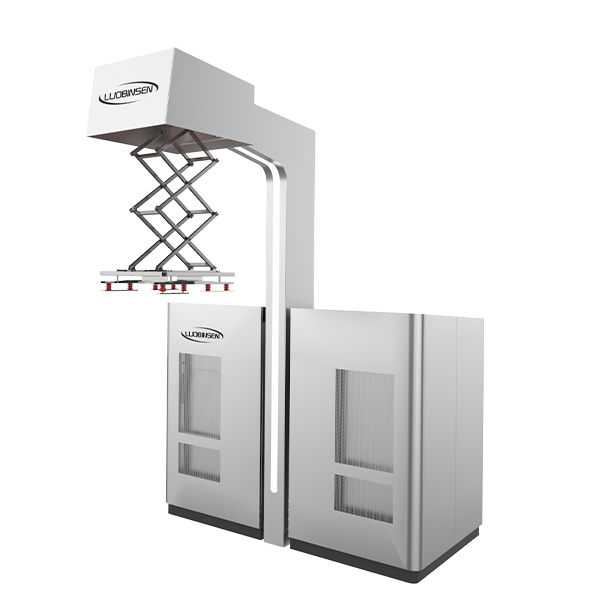
I’ve watched schedules unravel because a single pantograph charger hiccuped mid-shift. In one city I worked with, unscheduled downtime ate nearly 12% of operating hours in a month (yes, real meters and logs). The data was blunt: delayed runs, angry riders, and creeping costs. So where does the fault live — in the hardware, the control logic, or somewhere nobody’s checking? I’ll walk you through what I’ve learned so we can ask smarter questions next. — read on.
Traditional Solution Flaws: Where Systems Break Down
pantograph bus charger installations often look neat on paper but reveal gaps in practice. I’ve audited systems where the pantograph header worked mechanically but the power converters tripped repeatedly because of voltage spikes on the DC bus. That’s a design mismatch, not just bad luck. Engineers tend to tune protection too tight; operators tune it too loose. The result: repeated interruptions and a lot of blame-shifting. Look, it’s simpler than you think — alignment matters.
Which part is most fragile?
In my experience the fragility usually shows in three places: the contact interface, the control firmware, and the grid interaction. Contact wear and misalignment cause arcing. Firmware with coarse debounce logic misreads transient signals and cuts power prematurely. And when the local grid sees large inrush currents, overcurrent protection trips—leaving buses half-charged. These are not exotic problems. They’re practical failures of tolerances, communication, and coordination. I’m saying this because I’ve fixed them — by adjusting thresholds, adding smoothing filters, and tightening maintenance loops.
Looking Forward: Principles and Practical Steps
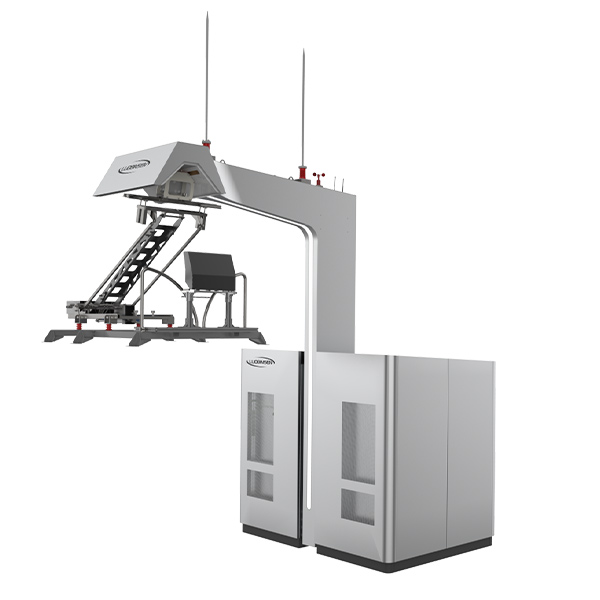
For the next generation, I favor pragmatic tech principles rather than flashy gimmicks. By embracing modular power converters, better diagnostics, and smarter control strategies, we reduce surprise downtime. Also, integrating edge computing nodes at the depot gives real-time health insight — not just logs after the fact. When we tested a small pilot with predictive alerts, trip cancellations dropped by a measurable margin — small sample, big promise.
What’s Next?
On the product side, pantograph bus charging will move toward standards that ease interoperability and maintenance. That means clearer specs for contact geometry, shared telemetry formats, and agreed safety margins (so every supplier plays the same game). I expect software-driven diagnostics to lead the way; they’re cheap to iterate and hard to ignore — funny how that works, right?
Before you commit to a full rollout, here are three practical evaluation metrics I use when advising fleets: charging availability (percentage of scheduled charge slots completed), mean time to recover (how long to restore a failed charger), and telemetry coverage (percent of faults that produce useful diagnostic data). Measure these, compare across suppliers, and demand real data — not glossy slides. If you want a reference vendor who’s been in my reviews, check Luobisnen.