
Introduction — A Lab Day, Some Numbers, and a Question
I once stood in a crowded campus lab watching a student struggle with a clogged micropipette while a stack of samples waited — it felt frustrating and oddly familiar. In many labs, biology lab equipment sits at the center of daily work: micropipettes, centrifuges, spectrophotometers, incubators — the tools that make research possible and, sometimes, messy. Recent surveys show that up to 40% of bench time can be eaten by instrument trouble or awkward workflows (yes, that number surprised me too). So I keep asking: how do we pick gear that truly fits the people using it, not just a spec sheet?
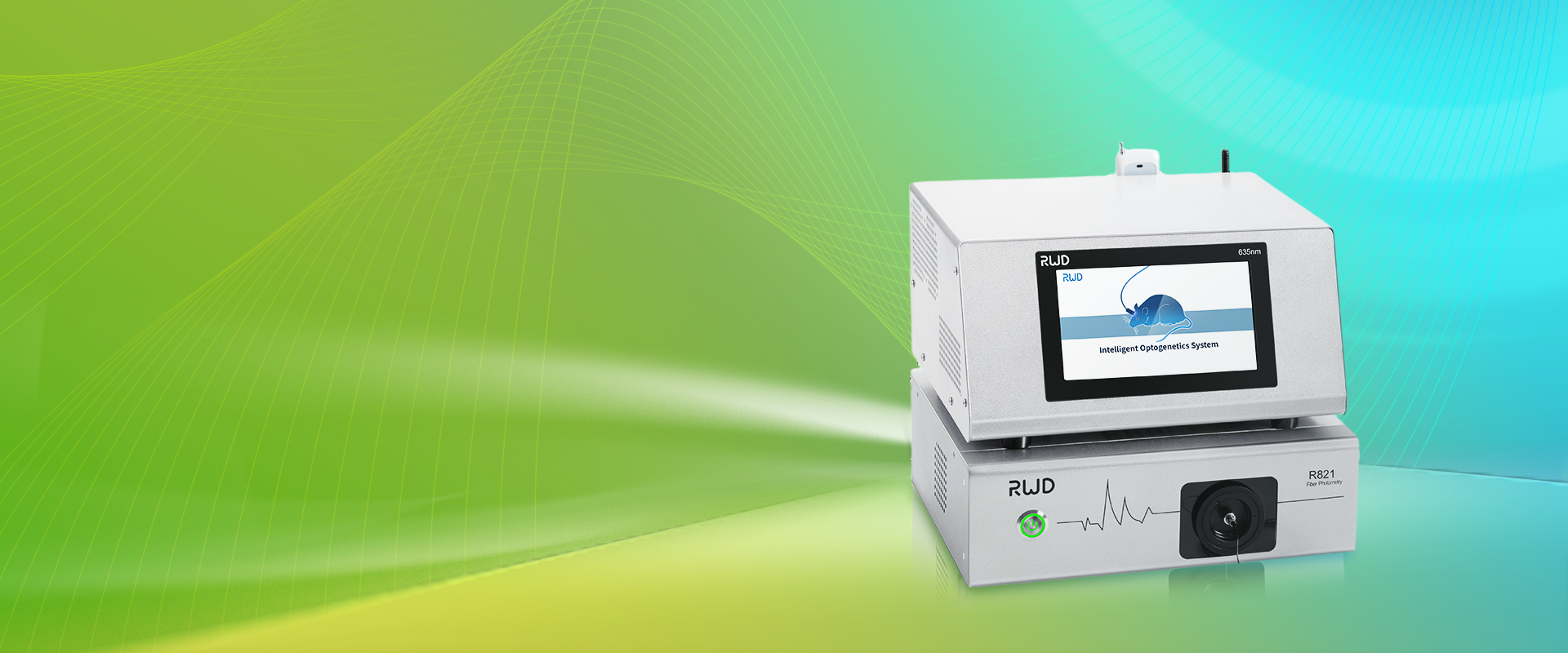
I write from hands-on experience — I’ve set up student labs, fixed temperamental incubators at midnight, and trained technicians until they smiled at routine runs. That gives me a practical lens: we care about accuracy, but we also care about comfort, upkeep, and the small things that make a day less stressful. This short piece maps that human side — the glimpses behind catalogs and glowing brochures — and prepares us to dig into real pain points next. (Hold on — we’ll get technical soon.)
Hidden Pain Points in Lab Equipment for Biology: What Often Goes Unsaid
lab equipment for biology is usually sold by specs: speed, volume range, wavelength accuracy. Those numbers matter, but they hide everyday frictions. At a practical level, a centrifuge with great g-force but awkward rotor access becomes a time sink; a spectrophotometer with fancy modes but a confusing menu ends up collecting dust. Let me be blunt: a tool that’s hard to maintain or unintuitive wastes people’s patience and productivity — and yes, that’s costly. I’ve seen labs buy top-brand gear only to revert to older, simpler units because “the team knows them better.”
So, what’s really going wrong?
First, I define the core mismatch: manufacturers optimize for peak performance; users need reliability across many small tasks. That gap produces five common pain points: calibration complexity, spare-part scarcity, cryptic user interfaces, poor ergonomics, and hidden operational costs (consumables, service). These are not abstract. They mean extra hours fixing pipettes, repeated runs because an incubator’s temperature drifted, or abandoned workflows when a spectrophotometer requires a specialist to operate it. Look, it’s simpler than you think — the human cost shows up in bench morale and data quality.
New Principles for Better Lab Choices — Practical Tech and the Way Forward
Moving forward, I like to think in principles rather than only models. New technology principles for selecting lab equipment center on modularity, user-centred interfaces, predictive maintenance, and service ecosystems. In practice, that means choosing a centrifuge with swappable rotors and easy-to-read indicators, or a spectrophotometer that walks users through checks with clear prompts. When we choose tools this way, bench uptime improves and training becomes shorter — which is a win for everyone.
What’s Next — How to Spot Better Designs?
Compare units not just by speed or range, but by how errors are reported, how service parts are accessed, and whether firmware updates are straightforward. I encourage trial use whenever possible — bring a representative sample and see how your team responds. You’ll learn fast: which buttons confuse people, which handles hurt after repeated use, and which manuals you keep reaching for. — funny how that works, right?
To make this actionable, here are three evaluation metrics I always recommend: 1) Usability score — time to competency for a new user; 2) Total cost of ownership — including consumables and service for three years; 3) Maintainability index — how easily common faults are fixed without specialist tools. If you weigh those, you’ll avoid many regrets. I care about labs that run smoothly, because I believe good equipment should make work satisfying, not stressful. For reliable sourcing and friendly support, I often point colleagues to partners like BPLabLine — they understand both specs and the people behind them.