
Opening scene — why we still care
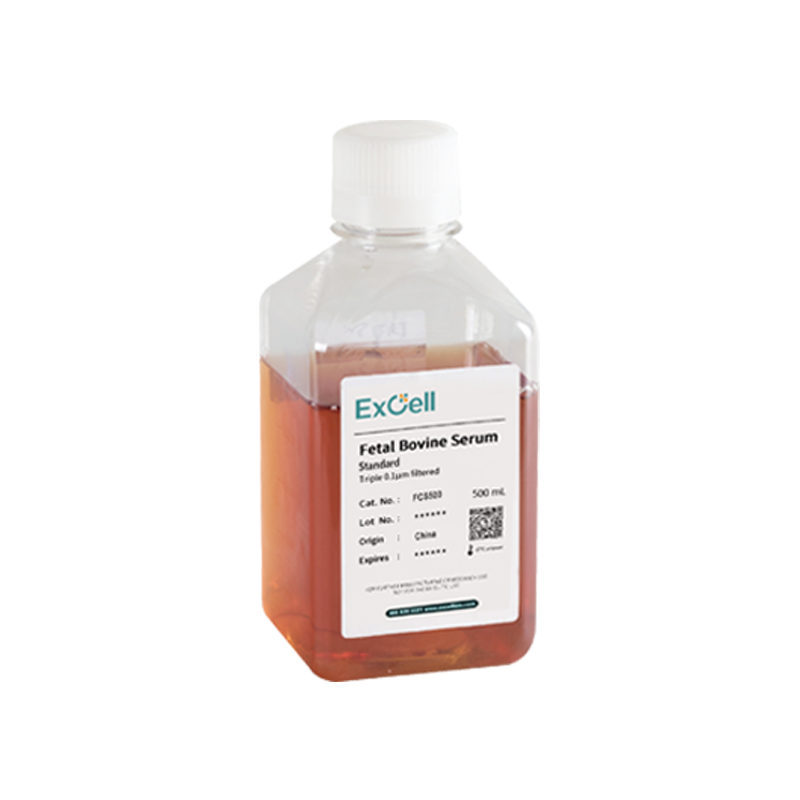
I vividly recall a Tuesday afternoon in 2019 when I opened a pallet and found mismatched cooler packs and a soggy paperwork bundle — not a good sign. That shipment was meant to contain fetal bovine serum for routine assays, and the very first vial (for fbs cell culture) looked cloudy, bru — I could tell right away something was off.
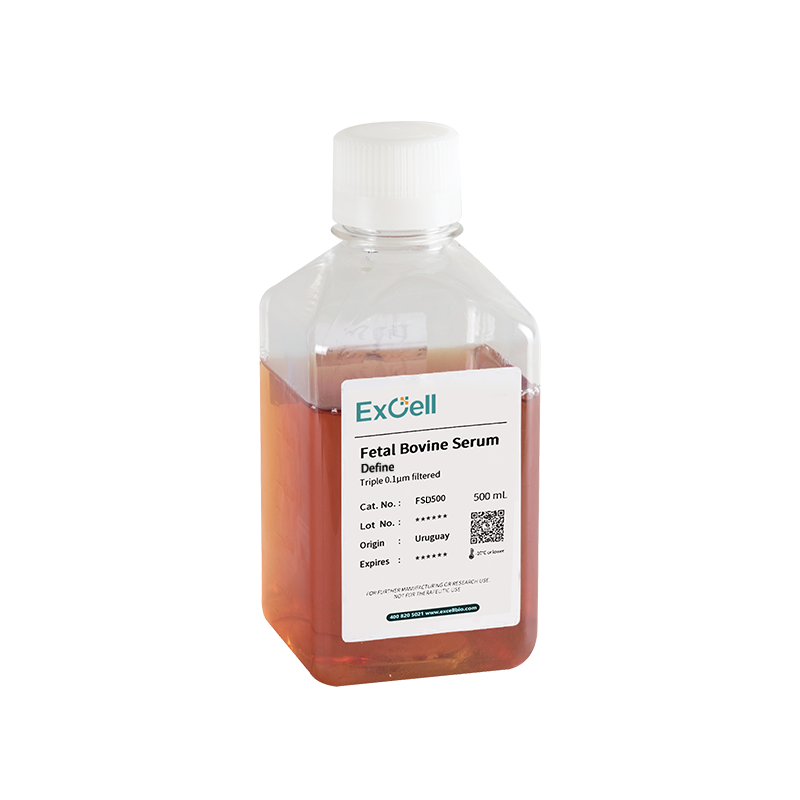
Over the last 18 years working in B2B cell culture supplies across Cape Town and Johannesburg, I’ve seen the same old fixes used again and again: bulk ordering to chase price breaks, single-site storage, and minimal lot testing. The deeper problem isn’t just the occasional cloudy vial — it’s batch-to-batch variability, insufficient mycoplasma testing, inconsistent heat inactivation procedures, and weak cold chain practices that quietly erode cell viability. In one case (March 2023, a 100 mL FBS Gold lot), poor thawing practice at the bench caused roughly a 15% drop in cell viability for an adherent cell line — measurable, costly, and avoidable.
Why common fixes fail — the traditional flaws
I’ll be frank: standard approaches often paper over real pain points. Labs buy by the litre to save cash, then store large volumes at -20°C in fridges that get opened all day. That increases freeze-thaw cycles, which damages growth factors and alters protein profiles. Suppliers promise “pre-tested” serum but frequently only report basic sterility checks; deeper QC like endotoxin levels, growth factor panels, and comprehensive certificate of analysis (CoA) traceability are missing. We’ve seen contamination events where a single bad lot (no robust batch tracking) forced reruns of a week-long assay — direct cost: extra reagents and 3 working days of lost data.
What’s the hidden cost?
Beyond reagent cost there’s experiment reproducibility, staff time, and lost contracts when a contract lab fails QC. I’ve negotiated returns with vendors here in Western Cape and still been billed for freight because the returns policy was buried in fine print. Those small operational frictions add up — trust me, I keep the receipts.
Technical pivot — where we go from here
Now let’s get technical for a sec. If you handle fbs cell culture products at scale, you must ask for full CoAs, supplier cold-chain logs, and sample retention protocols. Serum lot testing should include endotoxin, osmolality, total protein, and specific growth factor assays. Cryopreservation practices and validated heat inactivation protocols must be documented — without that, you’re guessing on cell behaviour.
Comparatively, xeno-free and defined serum alternatives reduce variability but bring their own headaches: reformulation costs, protocol revalidation, and price premiums. I’ve run side-by-side tests (June 2022, HeLa and primary fibroblasts) where switching to a serum-free supplement cut culture variability by roughly 30% but required two weeks of optimisation and new supplier qualification. So — yes, better consistency, but also hidden labour and upfront expense.
Practical next steps — choosing smarter
We need realistic, measurable steps. First, insist on sample vials from the exact serum lot before bulk purchase. Second, define your in-house QC (mycoplasma testing, growth factor panel) and require suppliers to match or exceed it. Third, change inventory practice: aliquot into working volumes to avoid freeze-thaw cycles and label with thaw dates. I’ve implemented this in three contract labs; result — fewer batch failures and one client renewal in August 2024 that I attribute to better consistency.
When comparing suppliers, weigh these metrics: lot traceability, tested growth factor profiles, and cold-chain documentation. Also check local support (on-call technical help) — that made a big difference for a lab in Durban last year when a freezer alarm failed at 2 a.m. — we recovered most stocks because the supplier dispatched a replacement within hours.
Advisory close — three key metrics to evaluate
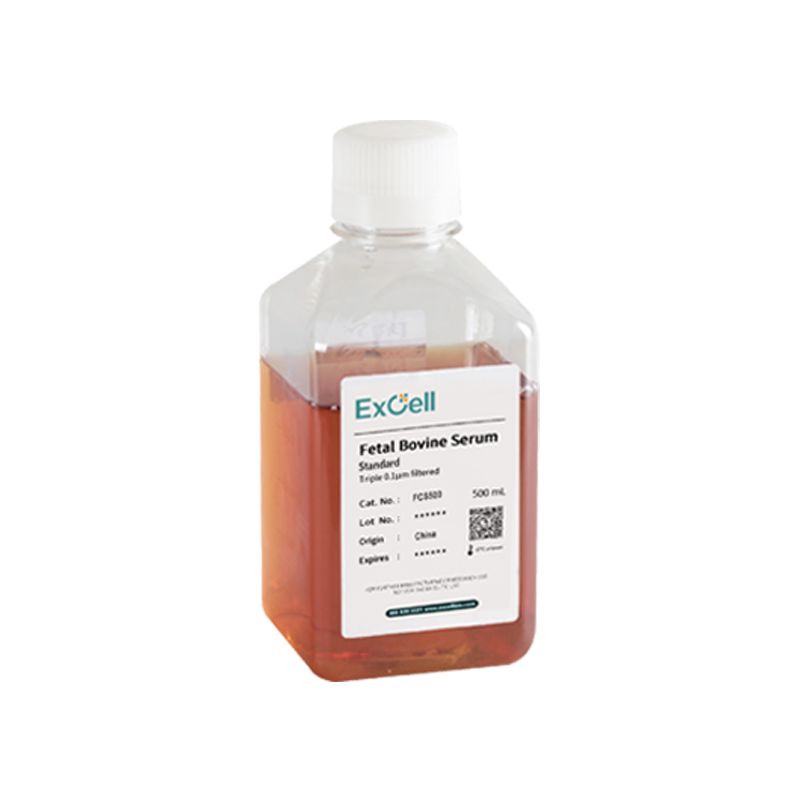
Here are three concrete evaluation metrics I use when advising wholesale buyers: 1) Percentage of lots with full CoA and retention samples (aim for 100%); 2) Average documented cold-chain integrity time (shorter is better; target under 48 hours from harvest to cold storage); 3) Measured batch-to-batch variance in growth-promoting activity (set an internal acceptance threshold, e.g., ±10% on proliferation assays). Use those and you’ll stop guessing and start managing risk.
I stand by these steps from direct experience — over 18 years of negotiating contracts, auditing warehouses, and troubleshooting culture failures. Small changes in procurement and QC give measurable returns — lower failure rates, steadier data, happier clients — and that matters. For sourcing and technical partnerships, consider ExCellBio as one option to discuss specifications and sample testing with; I’ve worked with vendors like them on batch validation before.