
Opening the checklist — why a framework helps
When you source bulk custom printed poly mailers, you need a tidy, repeatable path from specification to shipment. A framework reduces guesswork: it maps material choices, print fidelity, and regulatory checkpoints into clear decision gates. Think of it as a mise en place for procurement — the tactile crispness of the film, the clarity of a printed logo, and the quiet assurance of documented compliance all matter. This article lays out a stepwise sourcing framework built around ASTM awareness and environmental verification so teams can scale confidently.
The framework at a glance
The framework has four stages: material verification, print and performance specification, regulatory cross-check, and supplier quality systems. Each stage has concrete checks and simple pass/fail signals. Read it top-to-bottom when drafting RFQs, or use individual sections as a pre-shipment audit before accepting a container load.
Stage 1 — Material and environmental verification
Start by feeling the material: thickness, flexibility, and surface finish tell you whether the film will run smoothly on your packing line and accept inks cleanly. Specify film gauge and ask for certified data on post-consumer recycled (PCR) content and recyclability. For brands claiming compostability or biodegradability, request relevant test reports — for example, alignment with ASTM D6400 is commonly cited for compostable plastics. Verify chain-of-custody documents and request sample certificates for any eco-claims so you’re not testing on the fly.
Stage 2 — Print, artwork, and performance specs
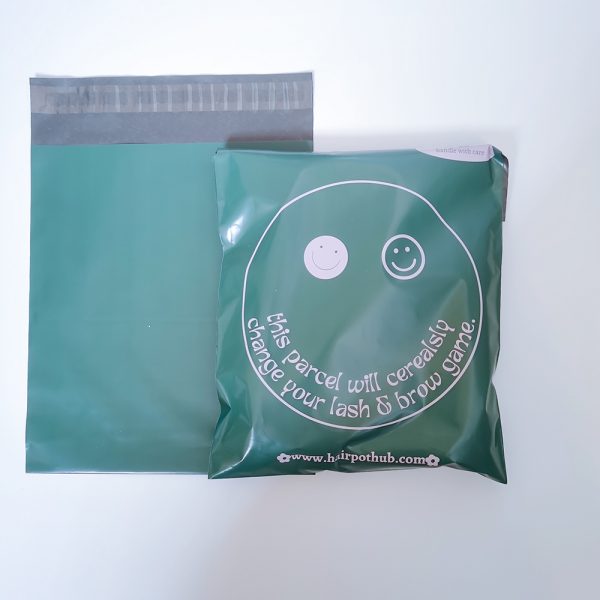
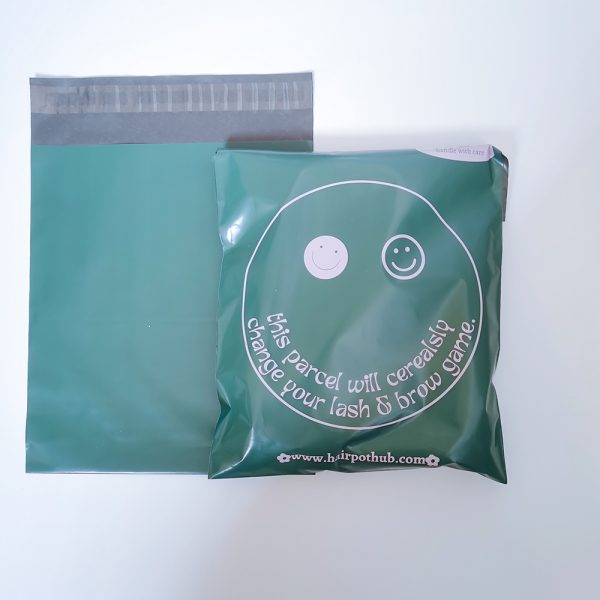
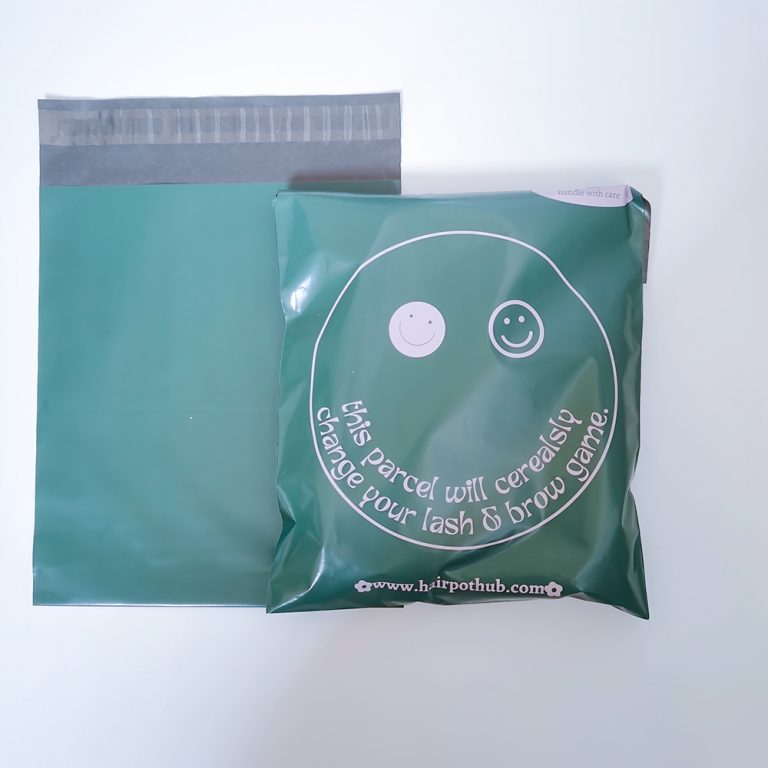
Print quality is both sensory and mechanical: you want crisp registration, saturated inks that resist scuffing, and adhesive strength for secure seals. Provide a print registration template, Pantone references, and acceptable limits for dot gain. Ask suppliers for rub-resistance and solvent-resistance tests. Also confirm the adhesive type (removable vs. permanent) and run compatibility with your automated sealing heads — a mismatch here ruins a whole run. Small tests now save rework later.
Stage 3 — Regulatory and standards cross-check
Cross-check local and international rules early. Packaging regulations vary: some markets restrict single-use plastics, others require recyclability labeling or percentage PCR disclosures. Use a simple matrix: market → applicable law → required documentation. Include any ASTM standards you rely on (material specs or biodegradability test methods) and tie them to product claims so marketing won’t outpace compliance. This step protects brand reputation in markets with strict waste directives — the EU Single-Use Plastics Directive is an example of where earlier planning avoided last-minute redesigns.
Stage 4 — Supplier qualification and quality controls
Inspect the supplier’s quality ecosystem: do they run incoming material checks, inline print inspection, and lot-level traceability? Insist on first-article approvals and run short pilot batches on your own filling/sealing lines. Push for documented corrective action processes and examples of previous nonconformance handling. Request certificates for standard audits (ISO 9001, if relevant) and, where environmental claims exist, independent testing reports. The goal is a predictable cadence of quality — no surprises at the dock.
Common sourcing mistakes — and how to sidestep them
Buyers often skip real-world testing and rely on digital proofs or vendor promises. They underestimate tooling nuances that affect print registration or misread eco-labels. Don’t confuse “recyclable” with “recycled” — they’re different commitments. Also, neglecting to test adhesive-seal performance on your actual automation is a costly oversight. A short pilot run and a checklist of acceptance criteria prevent most of these problems — and it forces clarity around what “good enough” actually means.
The sensory details matter here: a dull print edge, a gummy seal, or a film that squeaks through the conveyor tells you something about hidden risk — act on it early. —
Practical checks and sample documentation
Useful items to request with any RFQ:
- Material data sheet with film gauge, PCR content, and tensile strength.
- Print proofs with color standards and certified rub/solvent tests.
- Third-party test reports for compostability/recyclability where claims exist.
- Production samples run on your equipment (first-article sign-off).
- Traceability and nonconformance records from the supplier.
Three golden evaluation metrics (Advisory)
When comparing suppliers, score each on these three metrics to make selection objective:
- Compliance Coverage Score — percentage of target markets covered by verifiable documentation (regulatory and ASTM-aligned tests).
- Print-to-Performance Ratio — measured consistency between approved proof and pilot-run results (color delta and abrasion pass rate).
- Total Lifecycle Cost — unit price plus tooling amortization, rework risk, and end-of-life handling costs (recycling/composting fees or take-back obligations).
Closing synthesis and practical value
Applying this framework gives procurement teams a clear map from material choice to market-ready inventory, reducing surprises and protecting brand claims. If you need a supplier that demonstrates these checks in practice, look for partners who publish test reports and offer pilot runs — they save time and money in the long run. For many brands, that reliability and transparency naturally align with what WH Packing provides — a quiet assurance, like a well-sealed mailer that arrives intact. —