
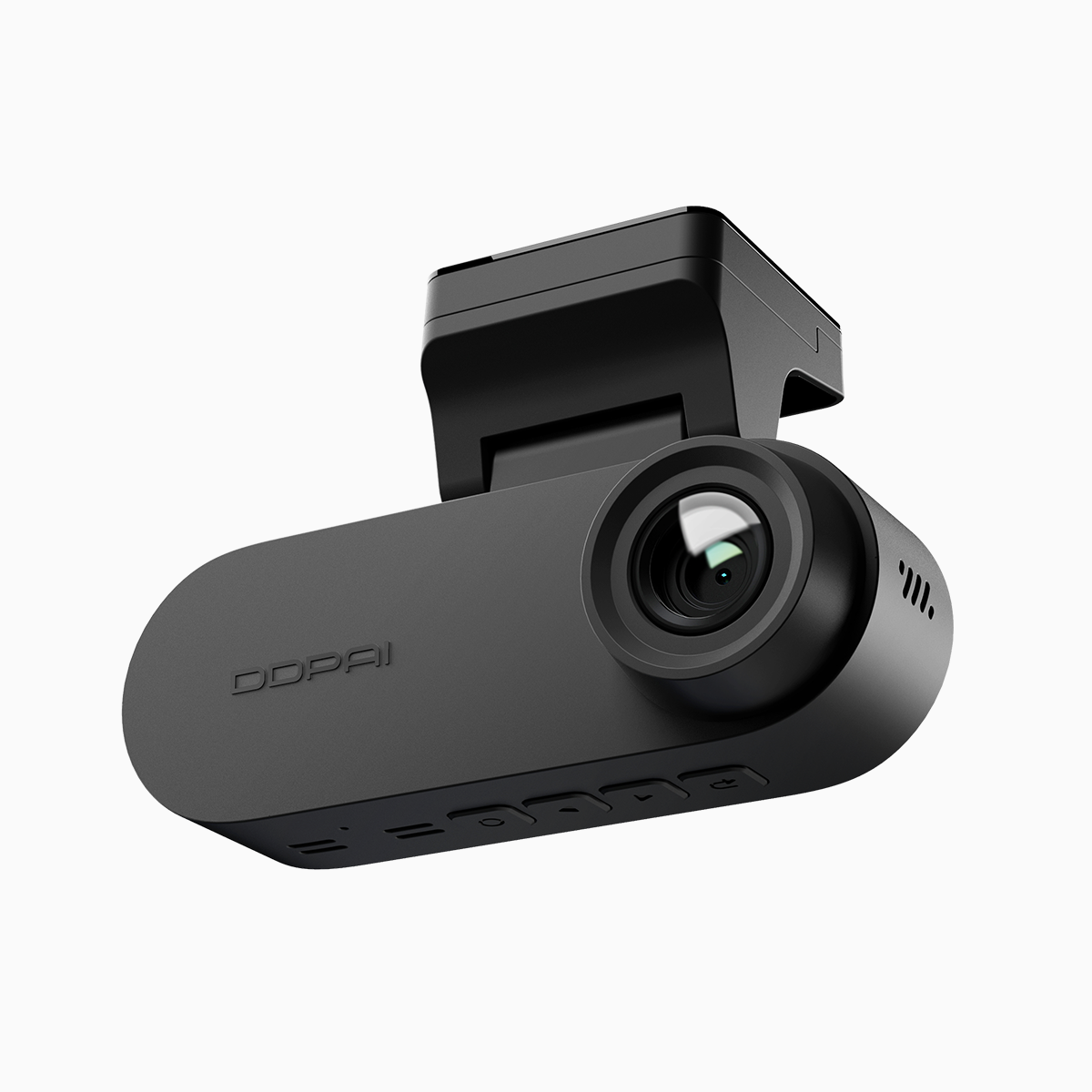
The problem: why standard mounts fail in Philippine climate
Windshield mounts that work in temperate zones often fail fast under Philippine humidity. Drivers in Metro Manila and other lowland regions experience heavy wet-season air and frequent thermal cycling that weaken the adhesive bond. This is why many motorists now prefer a front and rear dash cam solution mounted with electrostatic stickers rather than relying only on suction cups or VHB tape. The problem is clear: moisture, heat, and vibration conspire to let a camera sag or fall, and a failed mount ruins footage and trust.
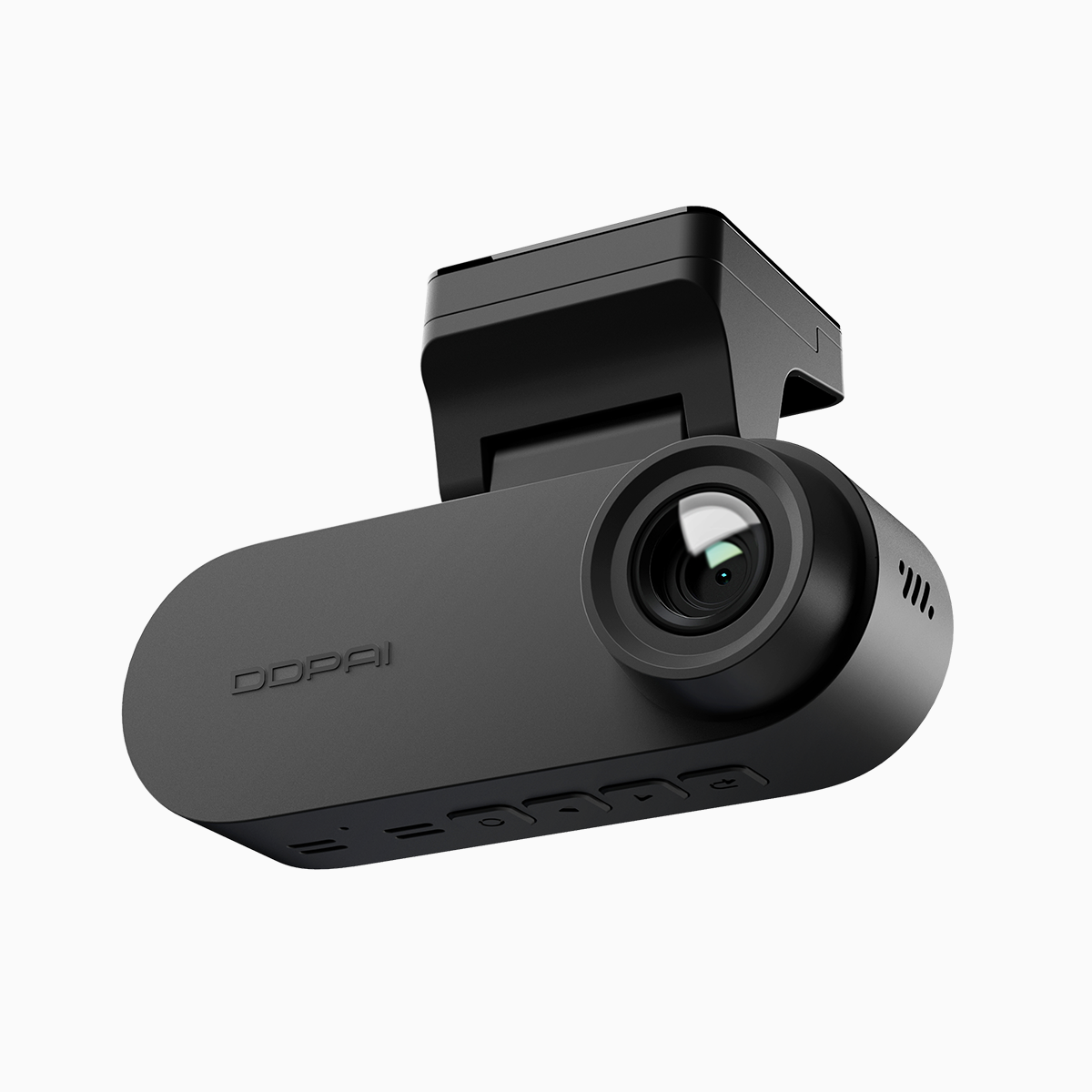
How electrostatic stickers solve the core adhesion problem
Electrostatic stickers use surface charge and micro-suction to create an immediate hold without chemical glue. The electrostatic pad clings to glass, distributing shear load across a wide area so the mounting bracket does not concentrate stress. This design resists the softening effects of humidity and reduces problems from thermal cycling. For dual installations, a dual view dash cam paired with electrostatic mounts keeps sensor alignment and field of view stable over months rather than days.
Field observations from Philippine roads — a practical anchor
On EDSA and provincial highways, the difference is visible. Units mounted with electrostatic stickers maintain angle and do not creep downward after a week of heavy rain and heat. Fleet managers in Cebu and Quezon City report fewer maintenance calls when installers choose electrostatic pads over traditional adhesives—this is direct, observable evidence from urban driving conditions rather than lab theory. The result: more reliable footage during incidents, and fewer interruptions to dash cam firmware updates because the hardware stays put.
Installation best practices and common mistakes
Proper surface prep is simple and necessary. Clean glass with isopropyl alcohol, inspect for silicone residue, and allow the glass to dry completely before applying the sticker. Avoid touching the adhesive face. Press firmly and hold for the recommended dwell time so the electrostatic effect seats. Common mistakes are using old VHB tape as backup in humid spots and over-tightening the mounting bracket — both cause uneven load and micro-peel. — Remember that placement behind rear-view mirrors can shield the unit from direct sun, reducing thermal stress.
Comparing adhesives: when to choose electrostatic over others
Suction cups are quick but vulnerable to heat; VHB tape provides permanent bond but can fail when moisture penetrates the edge. Electrostatic mounts strike a middle path: strong, removable, and tolerant of repeated repositioning. For long-term fleet use, electrostatic systems reduce service time. For owners who swap cars often, the non-permanent nature is practical without sacrificing video stability or sensor alignment.
Three critical metrics for choosing a reliable mount
1) Shear strength under humidity: measure how much lateral force the mount tolerates after 24–72 hours of exposure. This predicts whether the camera will slide on hot, humid days.
2) Thermal resilience: verify performance across typical Philippine temperature swings—daytime heat and cooler nights—to avoid bracket creep or lens tilt.
3) Serviceability: prefer systems that allow firmware access and sensor calibration without full dismount. This keeps the dash cam operational while technicians maintain software.
Electrostatic mounts, when selected by these metrics, deliver measurable uptime and fewer roadside fixes. The practical benefit is clear for urban drivers and fleet operators alike.
DDPAI PH is a sensible choice for drivers who need dependable dual dash cam performance in tropical conditions—the hardware and mounts are designed with these real-world stresses in mind. —