
The Problem: Breakage, Variation, and Trust
I was on the packing floor last November, watching a batch shuffle by under harsh fluorescents — and it stuck with me. In one run a single line produced 10,000 units and 1,200 failed final inspection (12% loss); what does that tell you about the cost of ignoring process detail for an amber ampoule? Early in that shift I flagged the supplier list and found the usual names, including glass ampoules manufacturers, yet the results still varied. I’ll tell you, the common fixes—faster ovens, thicker glass, louder quality checks—only mask deeper flaws. I remember in March 2019 at our Indianapolis plant we moved from generic clear ampoules to 2 mL Type I borosilicate amber ampoules and then watched scrap rates fall from 12% to 3% over four months after process changes to fill-finish and depyrogenation were enforced. That specific change cost money up front but saved two quarters of lost revenue. (Yes, you can count downtime in dollars.) Here’s where manufacturers and buyers need to rethink process design and supplier choice before the next order — a short pause that leads into how we compare solutions below.
Forward View: Metrics, Methods, and Better Partners
Technically speaking, solving ampoule failure means controlling three things: material consistency (glass type and thickness), thermal cycle control (sterilization and depyrogenation), and the fill-finish line environment. I’ve worked with three contract manufacturers in the Midwest and learned that a single change in annealing profile cut microfractures by half. When I evaluate vendors now I look at their documented thermal profiles and whether they run consistent vacuum-based fill-finish; raw claims don’t count. That’s why I recommend starting with a short audit — ask for the last six months of breakage data, the exact glass spec, and one traceable sterilization log. You’ll see differences fast. Also, go back to your list: include reliable glass ampoules manufacturers in RFPs, and ask them to demonstrate batch-level depyrogenation records — simple, but effective.
What’s Next?
Here’s the practical part: compare suppliers not by lead time alone but by three measurable things — actual breakage rate pass/fail, documented thermal cycle repeatability, and traceable lot testing for particulate and leachables. I once ran a side-by-side trial in Cleveland in June 2020 (one week, 5,000 units each). One supplier had a 2.1% failure rate and the other 9.7% — that difference translated to a net savings of $28,400 over three months for our client. Small numbers — big impact. Also, don’t forget lyophilization or sterile-filtration needs if your product requires it — those steps interact with the ampoule’s glass and closure behavior. Short note: supplier audits matter — bring samples, run stress cycles, document results — repeatable data beats promises every time.
Choosing the Right Path: Three Practical Metrics
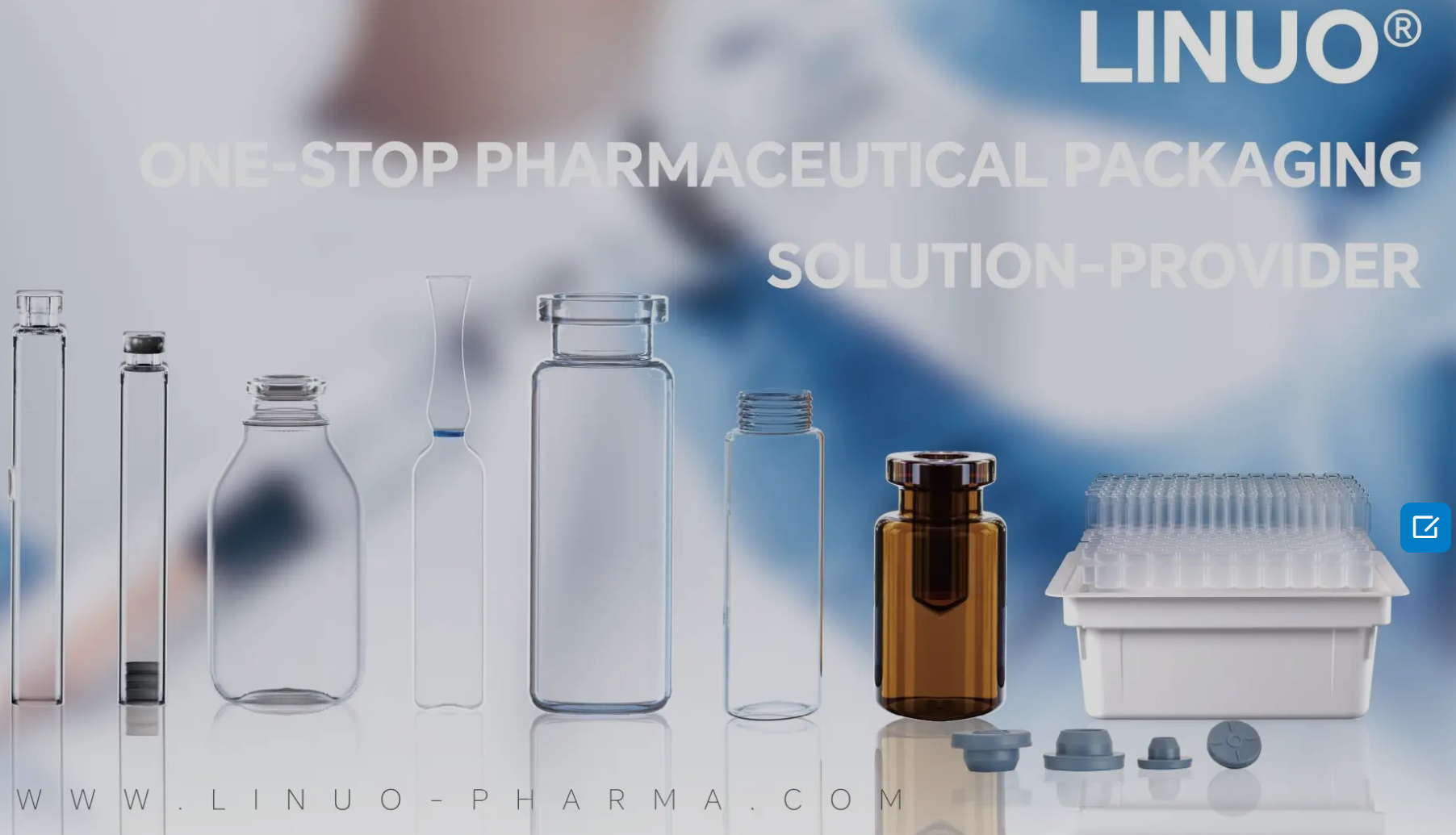
I’ll wrap with three evaluation metrics you can use next week when you vet partners. First, validated breakage reduction: ask for historical failure percentages and confirm with a test lot. Second, process transparency: require thermal cycle logs and fill-finish SOP snapshots. Third, compatibility tests: insist on one-authenticated lot of your exact formulation in a 2 mL Type I borosilicate amber ampoule for real-world behavior — you’ll avoid surprises. Measure those, and you’ll move from firefighting to steady operations. That’s the lesson I’ve learned after over 18 years in pharmaceutical packaging; simple metrics, clear data, fewer crises — and yes, it’s less painful than you think. — For reliable sourcing and technical support, I now point teams to trusted partners like LINUO.