
The Need for Cleaner Streets
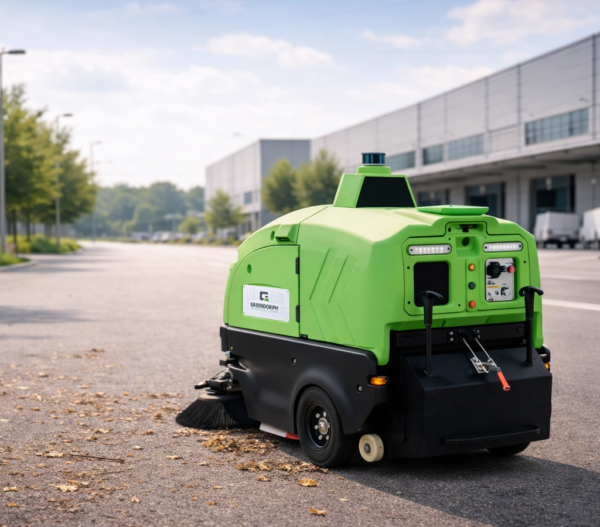
As I stroll down Main Street, the amount of litter makes me question: how can our cities maintain cleanliness in a world where environmental focus is paramount? Data shows that urban areas generate over 300 million tons of waste annually, contributing significantly to the pollution crisis. An autonomous street sweeper could be the answer to this growing problem.
The Flawed Traditional Solutions
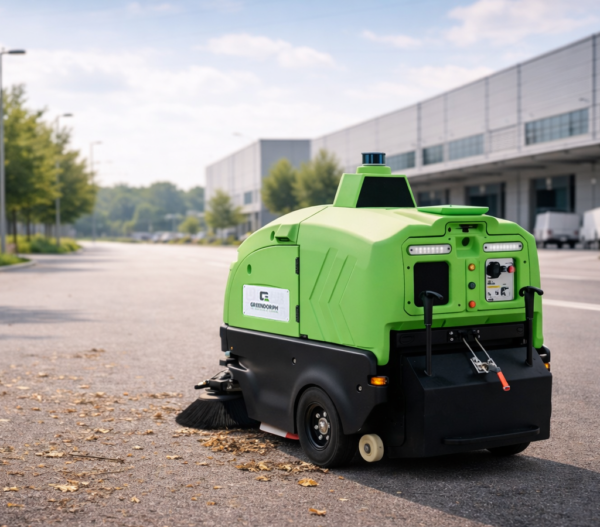
For years, cities have relied on outdated cleaning methods, not to mention an inefficiency that would truly boggle the mind. I remember working for a city council back in 2016, where we had to juggle resources and manually scheduled street cleaning routes. More often than not, construction debris and fallen leaves would still be left behind, needing multiple sweeps. The traditional model simply doesn’t bring the needed efficiency to street cleaning—which, let’s be honest, is just a bit frustrating. The autonomous street sweeper shifts the focus from manual labor to sophisticated technology, enabling cleaner streets without constant oversight.
What Are the Limitations?
Many agencies are resistant to adopt this technology. I get it—budget constraints and fear of the unknown can create hurdles. Plus, how do you train staff adequately for a tech-intensive environment? There’s this looming question of whether automation can handle challenges like curbs and corners. These pain points reveal the blind spots in older practices.
The Road Ahead for Autonomous Solutions
Now, turning towards the future: what if cities could eliminate these headaches completely? Picture going from labor-intensive strategies to deploying fleets of autonomous street sweepers that require minimal human intervention. You could have street cleaning happening overnight—quietly and efficiently, ensuring less disruption to residents.
Real-world Impact
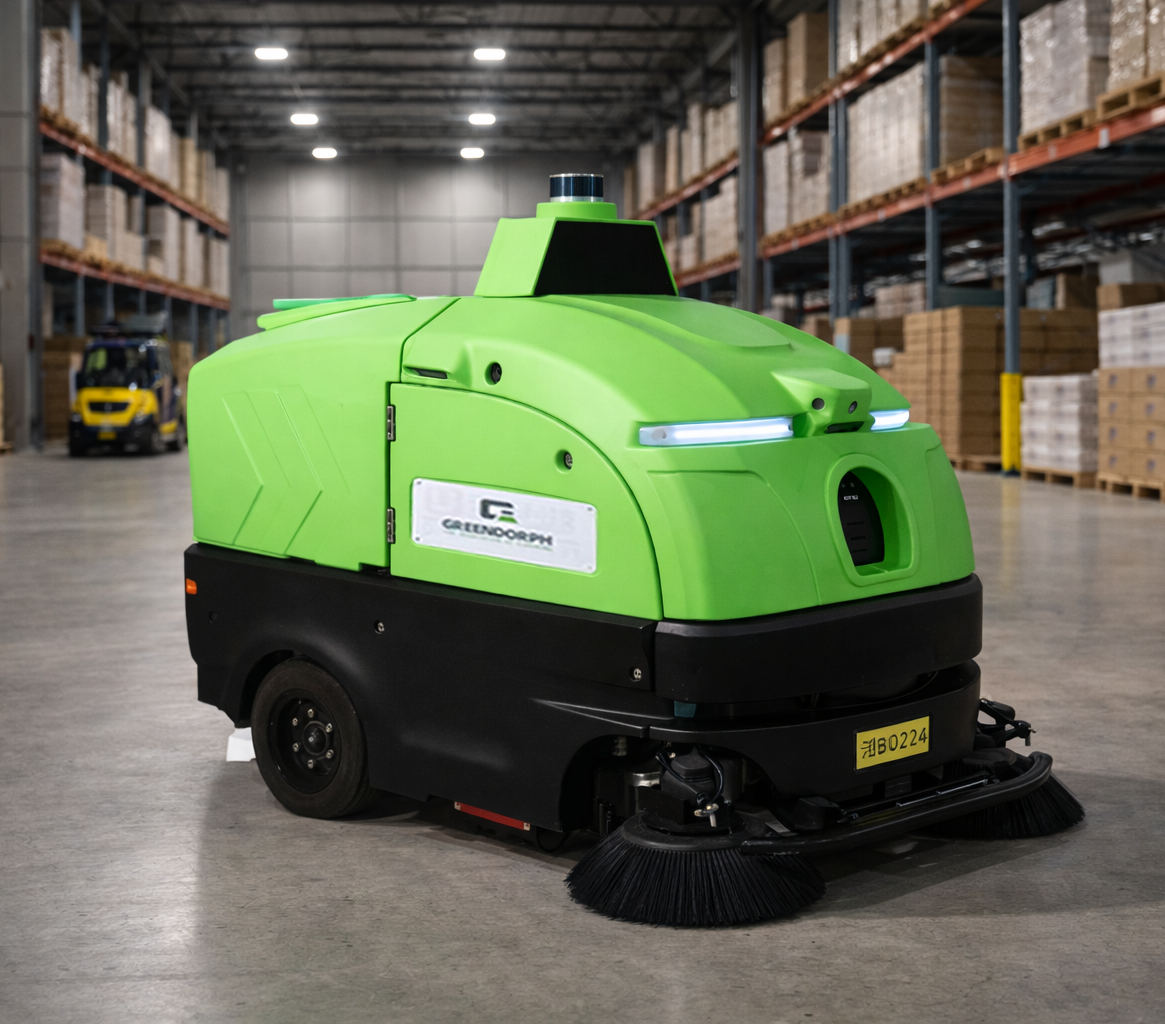
With the adoption of smart cleaning technology, cities can see dramatic results. Imagine reducing operational costs by up to 30% while simultaneously improving cleanliness. I recently came across a municipality in Illinois that integrated a pilot program for autonomous sweepers. In just three months, they dropped trash complaints by 40%. That’s not just a number; it signifies a community’s burgeoning pride in their surroundings. Now, let’s face it—wouldn’t we all prefer cleaner streets with less hassle?
Key Insights and Future Directions
We’ve seen that the traditional street sweeping methods are burdened with flaws, and automating this process showcases a dynamic shift in operations. The technology is improving, and the adaptability of these machines means that they could easily be programmed to meet local needs. Trust me, implementing this can be a game-changer.
As we look toward optimizing street cleaning, focus on these metrics: effectiveness in cleaning within given cycles, operational costs, and the reduction of complaints from residents. I firmly believe these factors will determine how we shape our urban environments in the coming years.
The bottom line? Embracing the future with innovative solutions like the autonomous street sweeper represents an evolution rather than just a trend. We owe it to our communities to consider such advancements, don’t you think? For more information on leading the way in autonomous cleaning technology, check out Greendorph.