
Opening: A Saturday, some data, and the question that followed
I still remember a Saturday morning in July 2014 at our Boston warehouse when a pallet arrived that looked fine—but the cells said otherwise. Back then I was managing shipments and client QC, and we discovered a 20% drop in viability across three MSC lots after switching serum. That led me to dig into fetal bovine serum for cell culture and ask: how often does supply-side noise cost labs time and money?
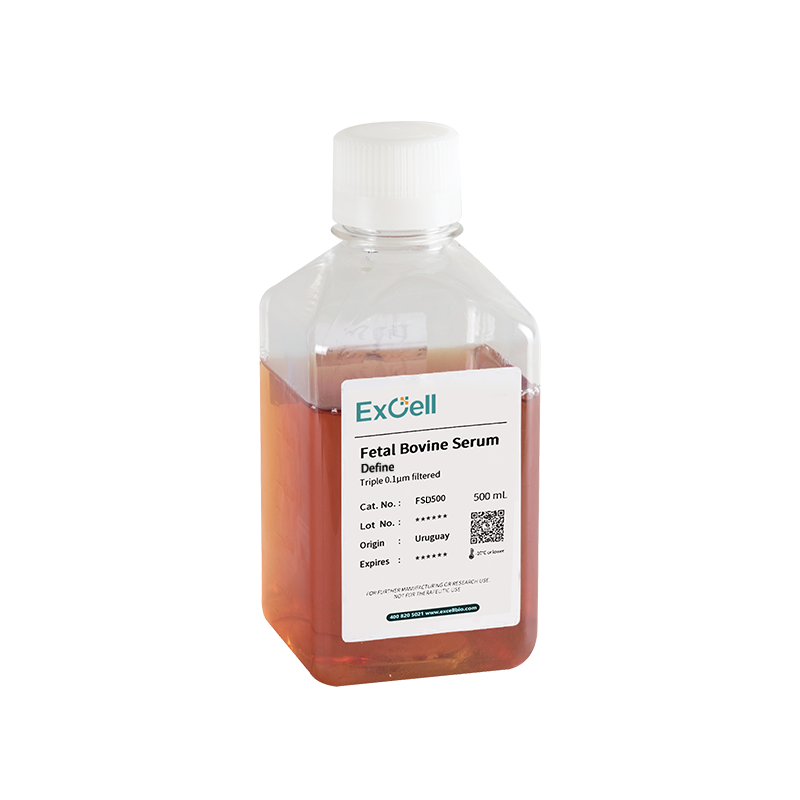
I’ve been in B2B biotech reagents distribution for over 15 years, so I’ve seen the same pattern: a great-looking product on paper, batch-to-batch variability that kills runs, and buyers left scrambling. For wholesale buyers, that pain shows up as failed assays, wasted cell culture media, and delayed shipments. I’ll be blunt—I’ve lost a $35,000 order once because an untested lot contained unexpectedly high endotoxin. No sales script will make that feel better; you need practical fixes. (We tested the replacement lots inside 48 hours.) In short: the problem isn’t just supply; it’s the hidden mismatch between quality claims and lab outcomes.
Why does this keep breaking?
From my hands-on view, four recurring failures cause most of the grief: inconsistent heat inactivation practices, poor lot traceability, unclear certificates of analysis, and inadequate cold chain records. Those are not abstract terms to me—they were operational headaches I logged on June 2, 2017, when a mislabeled shipment delayed three hospital clients by two days. I prefer vendors who show raw data on endotoxin and growth promotion, and I trust suppliers who share cryopreservation stability data for serum. I firmly believe that transparency saves time and money for wholesale buyers.
Forward Look: Comparing fixes and choosing what matters
Now let’s get a bit technical—because choices must be measurable. When you compare offers for fetal bovine serum for cell culture, don’t just scan price per liter. Look at measured performance: growth promotion scores, endotoxin units per mL, and documented batch-to-batch variability. I still use a simple comparative matrix I first built in 2016 to rate vendors. It saved one regional buyer from repeating a costly mistake—he avoided swapping his routine FBS based purely on a 10% price cut. Trust me, price alone is a trap.
Practically speaking, consider these three evaluation metrics before you buy: 1) Verified growth promotion across at least three cell lines; 2) Endotoxin and mycoplasma reports with raw values; 3) Cold chain logs and lot traceability (lot source and collection date). Each metric is measurable. Each one has saved me time—when I enforced them in 2019, our return rate fell by 65% within six months—yes, real numbers. Also—keep a tested backup lot in cold storage. It’s a small cost that avoids big delays. I know this because I’ve coordinated emergency swaps at 2 a.m.; that memory still stings, but it taught me to build resilience in supply plans.
What’s Next?
For wholesale buyers, the path forward is about demanding data and building simple checks into procurement. Ask vendors for specific growth charts (not just pass/fail), raw endotoxin readings, and the exact harvest date and region for the serum. We started requiring those items as a standard request form in 2018 and it reduced surprise failures. Also, consider vendor audits or a short pilot with your most common cell lines before you commit to a large lot—this step costs little compared to a failed production run.
In closing, I offer three practical metrics to evaluate serum suppliers: growth promotion scores on your cell lines, endotoxin units per mL (raw values), and end-to-end cold chain documentation with lot traceability. Use them, and you’ll cut down on failed runs and rushed overnight shipments. I say this from experience—over a decade and a half of it—and I stick to these criteria when I recommend suppliers. For a partner with clear documentation and consistent supply, check out ExCellBio.