
Introduction: When Power Meets Posture
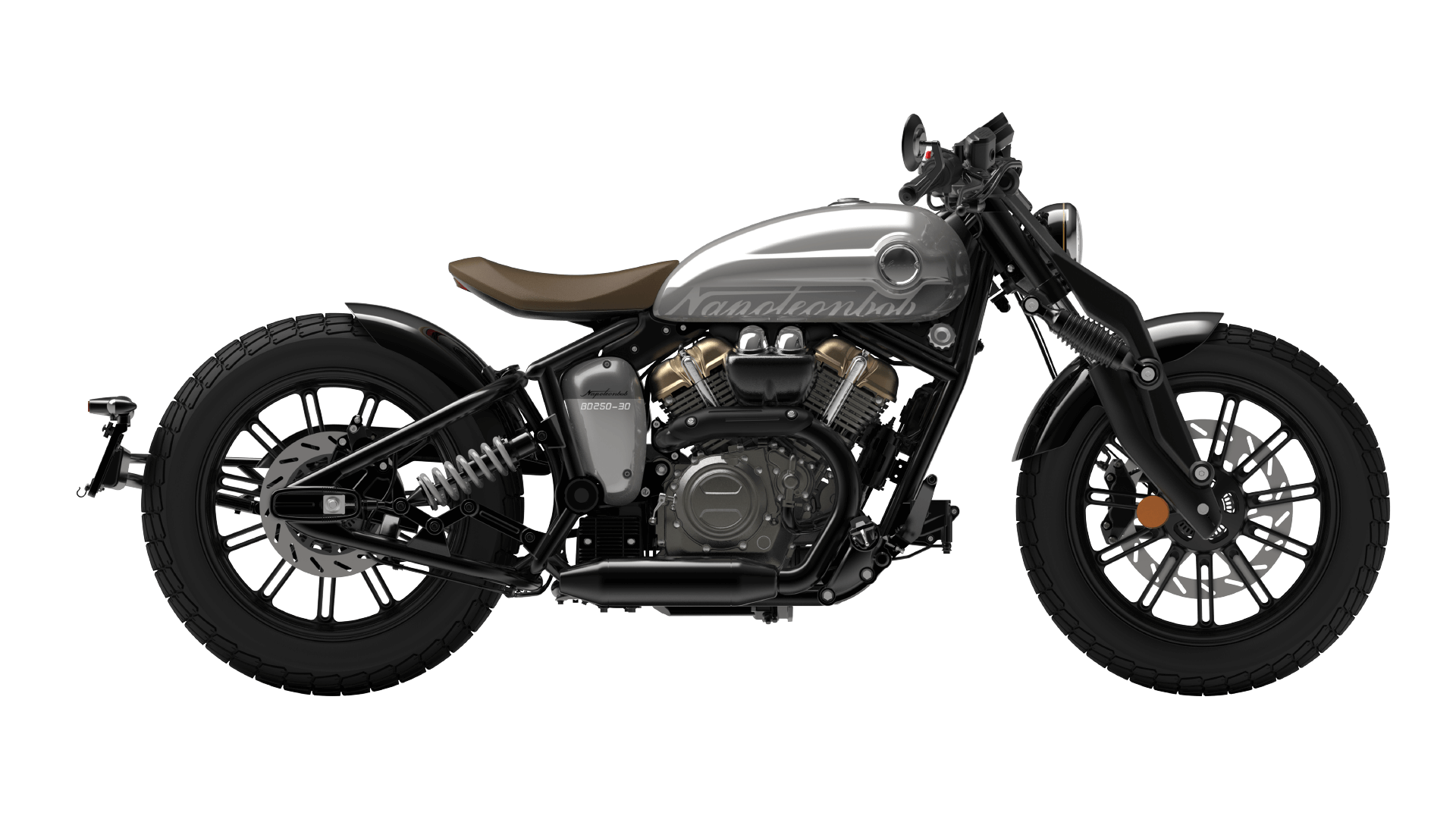
You roll out before sunrise. Traffic is light, the road is clean, and your line of sight is clear. Many riders choose a sport cruiser bike for this exact mix of pace and comfort. A sport cruiser motorcycle blends reach, rake, and low-end torque to make city and highway runs feel easy. Yet comfort and control do not always scale with power. In rider forums and brand polls, a large share of owners report wrist strain and mid-back fatigue within an hour. Numbers vary by model and rider fit, but the pattern holds across wheelbase classes and seat heights. So, what part of the control envelope are we missing—and where does the setup let you down?

Let’s define the gap. The spec sheet speaks to horsepower, torque curve, rake angle, ABS, and traction control. It says less about how your wrists, core, and hips share load at 60–80 mph. That’s where ride quality lives. The question is simple: how do we turn raw performance into stable, low-effort input without losing feel? This article compares design choices, points to data-backed fixes, and sets a path forward for riders and builders. Let’s move to the core issues.
Hidden Pain Points the Spec Sheet Misses
Where does comfort break down?
Most riders don’t fail on power. They fade on posture. A low bar and forward pegs look fast, but they push load to the wrists and neck at cruise speed. Over time, micro-vibrations creep in. Your forearms chase the throttle, then your shoulders tense to steady the line—funny how that works, right? The result is slow reaction time and sloppy inputs on rough pavement. Traditional fixes—thicker grips, softer seats—mask symptoms but do not balance the triangle of hands, hips, and feet. That triangle decides whether the bike tracks true in crosswinds and under light braking.

Look, it’s simpler than you think. The pain points sit in four small places: bar sweep, peg drop, seat tilt, and damping. If bar sweep forces a ulnar bend, nerve pinch follows. If peg drop is shallow, knees lock and fatigue rises. If seat tilt slides you into the tank, your core is on fire by mile 40. And if compression damping is harsh, every ripple hits your wrists. Add long wheelbase and a relaxed rake, and quick transitions take more bar torque. Throttle-by-wire and a well-mapped ECU can smooth surge, but without a matching slipper clutch and compliant fork valving, you still fight the bike in traffic. The fix is a fit-first setup with small, measurable moves: 5–10 mm peg adjustment, a bar with neutral sweep, a seat that holds your pelvis level, and damper clicks that match your weight—not a guess.
Comparative Insight: From Static to Smart Ergonomics
What’s Next
Tomorrow’s wins come from systems, not single parts. New technology principles link sensors, controls, and human fit into one loop. Here’s the shift: an IMU monitors pitch and roll, the ECU maps throttle sensitivity by speed band, and a semi-active fork adjusts compression on the fly. Together, they cut micro-corrections at the bar. A modern sports cruiser motorcycle can deploy these tools without losing the long-ride vibe. Think CAN bus communication between ride-by-wire, traction control, and suspension valves. Think adjustable rearsets with indexed steps, logged to the dash so you can track what works. That’s not gimmickry. It’s control math made humane.
Compare two setups. Bike A uses fixed pegs, a soft seat, and passive forks. It feels plush at 30 mph, then chatters at 70 over corrugations. Your hands do the work. Bike B adds semi-active damping, a neutral bar sweep, and a firmer, level seat. The IMU trims dive under mild braking. ECU mapping smooths on-off throttle at corner exits. Your inputs stay light, and the bike holds line with less bar angle. Outcome: lower fatigue rate over an hour, faster recovery after a pothole hit, and more precise mid-corner corrections. Small hinges, big doors—your energy lasts longer.
So, how do you choose smart over static? Use three metrics. First, fit fidelity: can you adjust bar reach, peg drop, and seat tilt in measured steps and record them? Second, response stability: does the bike keep throttle, brake, and suspension feel consistent across speed bands (no surprises in the 40–70 mph zone)? Third, correction load: how many micro-corrections per mile do you make on rough roads—count them for one week. Fewer corrections, steadier heart rate, and a controlled torque curve signal a setup that works. Advisory note: test in varied wind and grade, not just on a smooth loop—funny how “perfect” settings fall apart on a gusty bridge. In the end, the aim is clear: lighter hands, calmer core, cleaner lines. That’s the edge a well-designed system gives you without shouting about it. Learn the signals, track the numbers, and let the machine meet you halfway. BENDA