
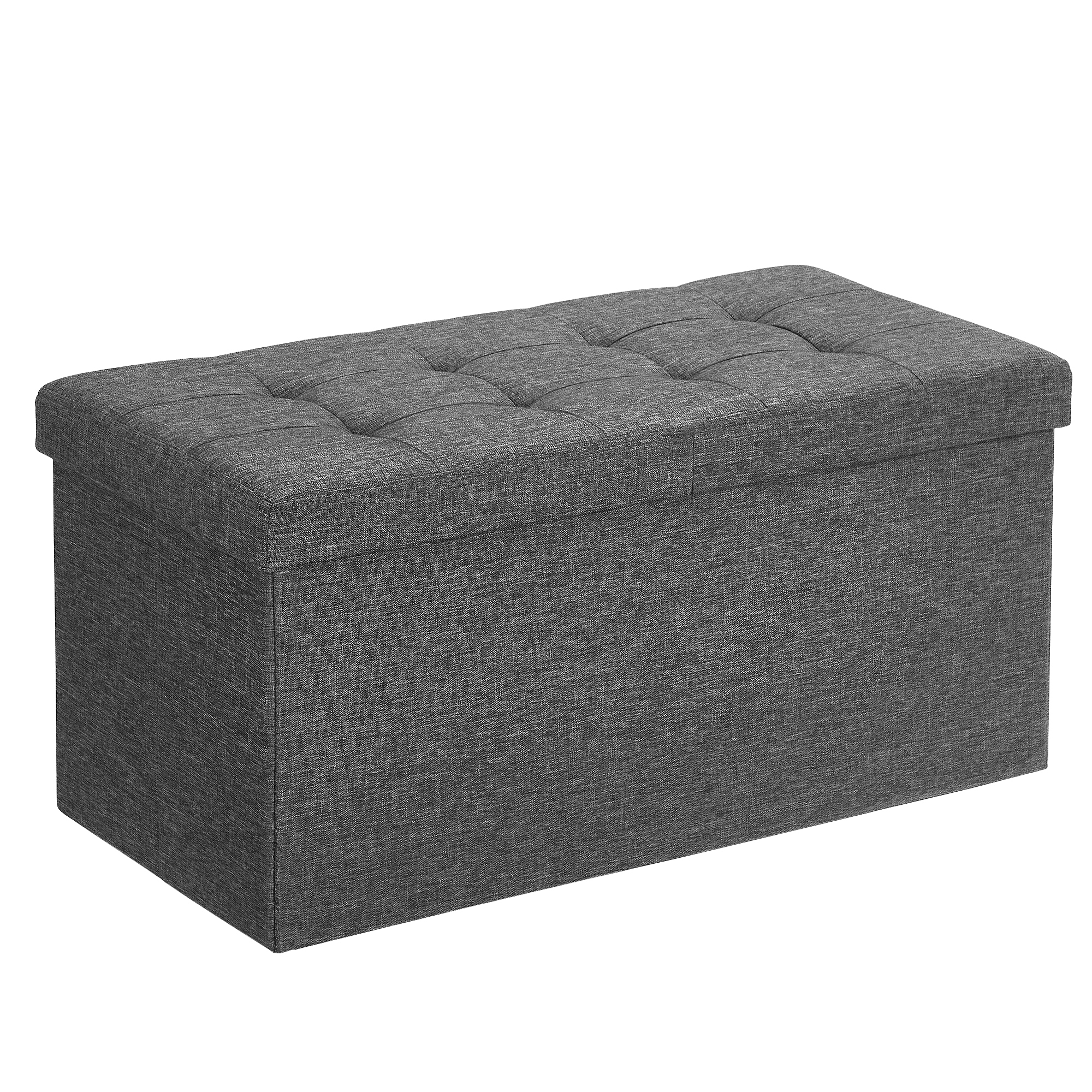
Why Comparing Makers Beats Guesswork
You want a seating piece that looks good, ships on time, and survives daily use. An ottoman manufacturer can make that happen—or not. Picture a tight launch window at a retail chain: the range manager needs 500 units, two colorways, and a firm date before the campaign goes live. According to many buying teams, delays and quality slips creep in more often than they like. Now compare two ottoman chair manufacturers: one quotes low but misses key tests; the other costs a bit more yet hits every checkpoint. Which choice lowers risk over a season (and saves your inbox)?

Data points matter. Return rates can spike when foam density, frame moisture, or seam strength fall below spec. Lead times swing when factories run too many SKUs in one batch. And costs rise when rework or freight changes hit at the end—funny how that works, right? So ask a simple question: are you judging makers on price and photos alone, or on proof of process? In this guide, we’ll compare the hidden factors that separate “nice sample” from “repeatable program”—and lay out the next steps.
Under the Surface: Pain Points Your RFQ Won’t Reveal
Where do quality blind spots hide?
Let’s get technical for a moment. Many RFQs focus on fabric, color, and price. Yet the big misses live in the build and the process. A robust bill of materials (BOM) should specify kiln-dried hardwood moisture levels, foam density tolerance, and thread type for high-stress seams. If these are vague, failures follow. Without a clear AQL QC sampling plan, defects slip through in peak weeks. And when a factory skips CNC routing on repeat parts, you get small fit errors that show up as wobbly lids or uneven stitch lines. Look, it’s simpler than you think: vague specs invite vague results.
Hidden pain points stack up. Martindale abrasion targets get promised but never verified. Load testing on hinges and glides is skipped to save time. Glue selection ignores VOC rules, which triggers compliance flags at the port. Then comes the clock: lead time stretches because foam blocks arrive late and no one updated the ERP. Traditional “sample looks fine” approval misses torque specs for hardware, seam allowance on corners, and carton drop standards. This is why two visually similar ottomans can live very different lives in-store. One holds shape for a full season. The other sags after a month—and your returns team pays the bill.
Future-Facing Fixes: Turning Contrast Into Criteria
What’s Next
Now let’s shift to how better makers prevent those gaps. New technology principles help: RFID tagging ties each unit to its component lot. An ERP link to the production line tracks foam batch, fabric roll, and station times. Digital QC checklists with photo capture reduce “pass by habit.” Even simple upgrades—CNC-cut frames, jigs for seam alignment, and torque-limited drivers—turn craft into repeatable quality. When you buy through ottoman wholesale, these controls matter even more, because volume amplifies small misses. The payoff shows up in fewer warranty claims, steadier on-time performance, and cleaner compliance audits (less drama at the dock).
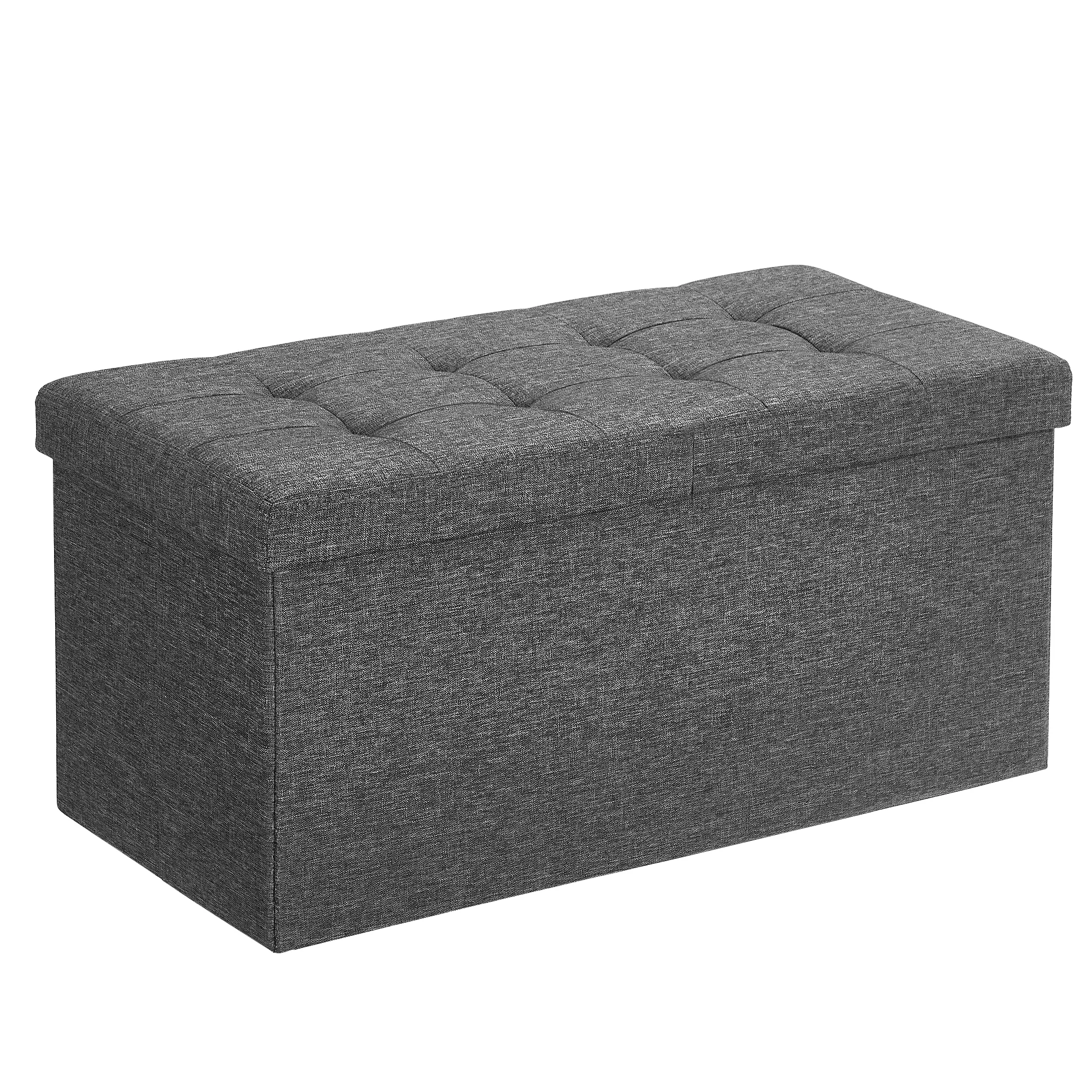
Think in comparisons, not promises. A forward-looking factory can show SPC charts on seam strength and Martindale results by fabric family. They run SKU rationalization to cut chaos during peak weeks. They use water-based adhesives to reduce VOC emissions—safer teams, safer cargo. And they pilot modular frames so lids, bases, and feet standardize across lines—fewer changeovers, shorter lead time. The lesson is clear: contrast process, not just pictures. To choose well, lean on three metrics: 1) Verification depth—BOM detail, AQL, and test reports tied to batch IDs. 2) Stability—on-time ship rate, first-pass yield, and defect-per-thousand over the last three runs. 3) Durability—frame and hinge load tests, plus Martindale cycles matched to use case. Do this and your ottoman programs run smoother, your teams breathe easier—and your customers sit happier. For a practical benchmark on how those controls look in action, see how peers collaborate with SONGMICS HOME B2B.