
Introduction
Ever paused before handing a wrench to someone working in a fuel tank or solvent room and wondered, “Is this the right tool for the job?” I’ve watched tight deadlines meet tight spaces — and I’ve seen small sparks cause big headaches. non sparking wrenches are designed to cut that risk, especially where vapours or fines might ignite, and data shows incidents drop when properly specified tools are used (one plant I audited cut near-miss reports by nearly half after switching). So what makes one non-sparking wrench safer than another — and how do we choose the right set for real work, not just shelf display?
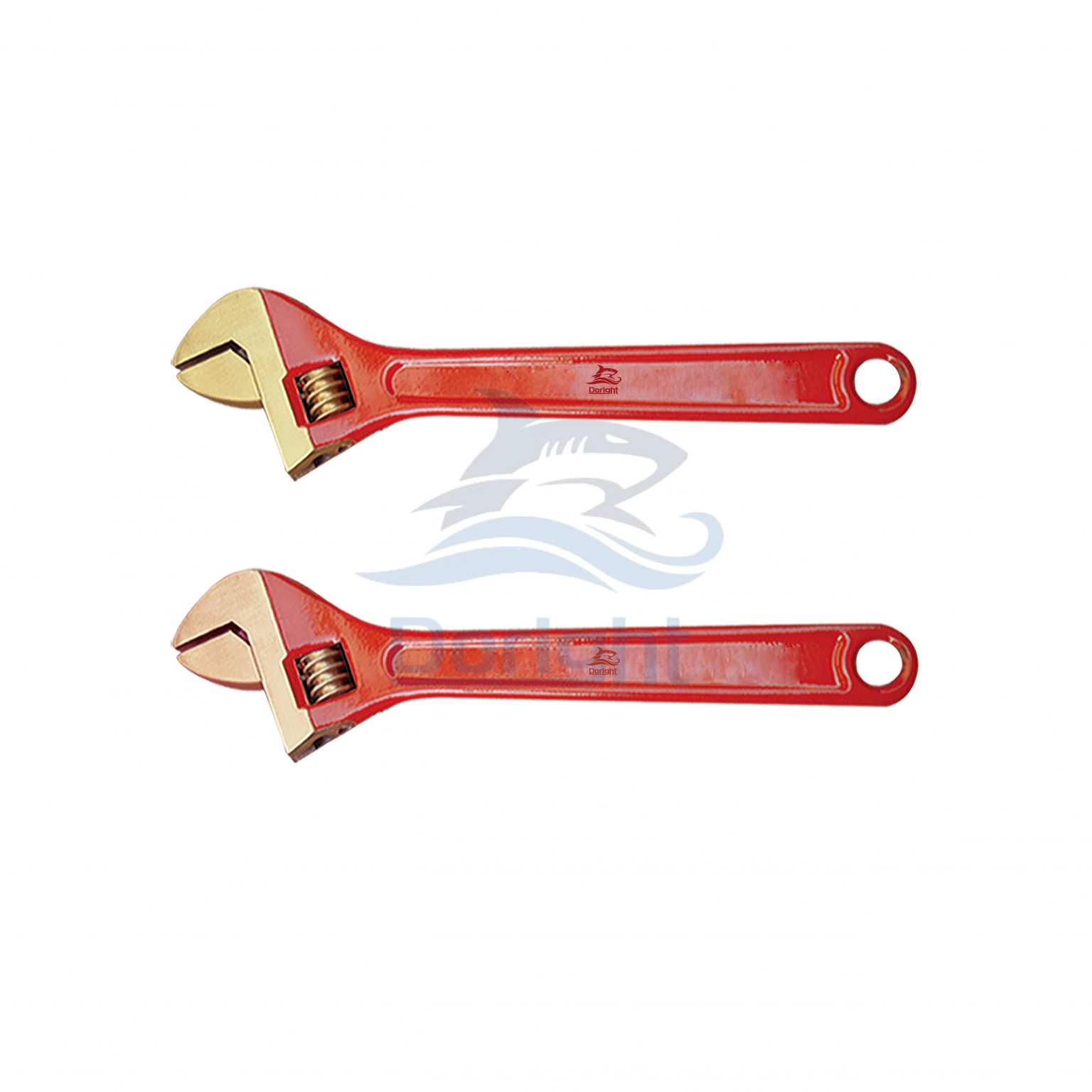
I’m writing from hands-on experience and a few late-night toolbox chats; you’ll get clear limits, trade-offs, and practical pointers here. We’ll move from the real-world scene to the technical bits — then forward to what to look for next — so you can pick tools that actually protect people, not just check a box. Let’s go deeper.
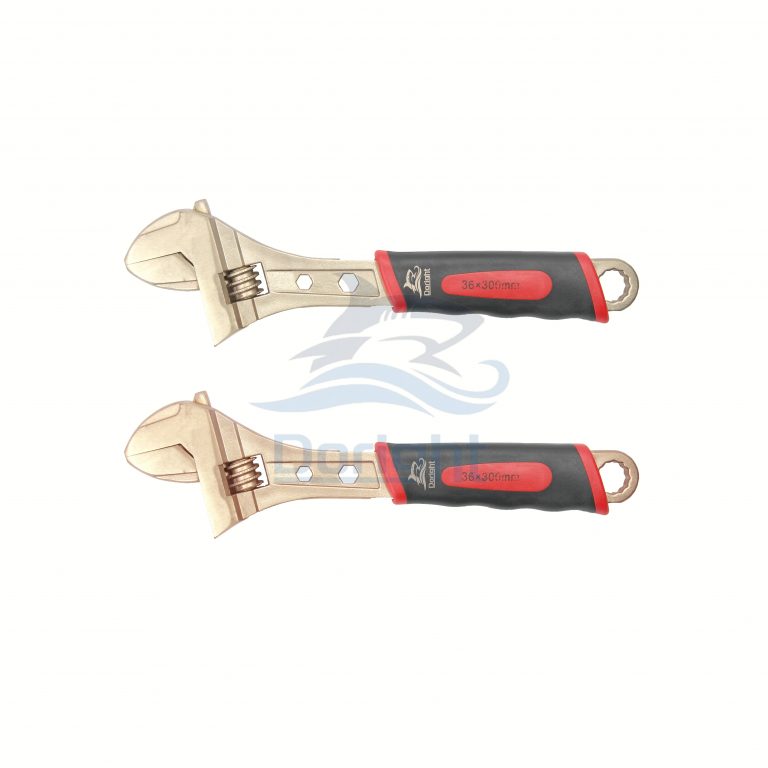
Deep Dive: Why Traditional Fixes Often Let Users Down
Start with this: a non sparking wrench set should do one job well — prevent spark ignition in hazardous atmospheres. Yet many sets fail in practice because people focus on marketing rather than metallurgy. I’ve handled toolboxes labelled “safe” that still used brittle alloys, poor torque control, or thin plating that wore off in months. Here I’ll break down the main technical flaws: alloy composition, corrosion resistance, and mechanical strength. Those three determine whether a tool stays non-sparking under real stress.
Why do these tools fail on the job?
First, alloy composition matters more than finish. A bronze-aluminium-nickel alloy might be advertised as non-sparking, but if the mix is off or impurities creep in during casting, the tool can chip and expose harder surfaces — and chips can strike and spark. Second, corrosion resistance is often underestimated. In coastal or chemical plants, pitting changes contact geometry and increases the chance of frictional heating and micro-sparks. Third, torque control — if a wrench slips or deforms, you get sudden impacts. That’s when spark ignition risk rises. Look, it’s simpler than you think: wear plus impact equals risk.
We also see hidden user pain points. Workers dislike heavy or awkward grips; that leads to shortcuts like using the wrong size or an improvised extension. Maintenance schedules are another blind spot. People assume non-sparking tools last forever; they don’t — they need inspection, and labels should say when to retire items. I’ve kept checklists for crews that made retirements routine; the result? Fewer surprises and better compliance. — funny how that works, right?
Looking Ahead: New Principles and Practical Choices
What’s next for non-sparking tools? I lean toward a mix of improved metallurgy and clearer selection metrics. New technology principles involve tighter control of alloy blends and surface treatments that retain non-sparking behaviour even after wear. Some manufacturers are testing advanced coatings that maintain corrosion resistance without adding hardness that defeats the non-sparking purpose. For practical buyers, that means paying attention to test data — not just labels. When you shop for a non spark wrench, ask for third-party test reports on impact resistance, chemical exposure, and life-cycle wear.
What practical steps should teams take?
We should also compare case examples. In one refinery upgrade I advised, we replaced old bronze sets with tools that had documented performance under salt fog and repeated torque cycles. The team trained on inspection cues, and within six months they reported fewer tool failures and faster job completion times. This wasn’t magic — it was matching tool specs to the job and enforcing simple checks. Two quick points: keep spares that match rated torque ranges, and standardize on handle ergonomics so crews don’t improvise.
To wrap up with usable advice, here are three evaluation metrics I use when choosing non-sparking solutions: 1) Verified alloy certification and impact test results; 2) Corrosion and wear-life data under the plant’s conditions; 3) Ergonomic fit and torque accuracy for the team who’ll use them. Use these as your filter, and you’ll avoid the common traps. Also — and I say this from experience — insist on inspection intervals and a clear retirement rule. It saves lives and time.
I’m not selling anything here; I just want teams to work safer with tools that actually perform. For reliable options and spec sheets, check trusted suppliers — for example, I’ve referenced sets like the non sparking wrench set and similar offerings when advising clients. For individual replacements, compare that to a single non spark wrench spec before you buy. In my view, small attention to specs now prevents big problems later. — I’ve seen it work. Finally, for reliable sourcing and clearer product data, consider Doright.