
Introduction: A Slim Arc of Light, Reconsidered
You try on a ring and your fingers look longer—almost like the light itself stretched them. Classic jewelry pieces come to mind: heirloom bands, chandelier earrings, a brooch that never goes out of style. The shape you’re drawn to is the marquise diamond, a slender ellipse with pointed tips. Industry reports show steady interest in elongated cuts, and gemologists remind us that cut precision drives brilliance more than carat weight. So why do many people still hesitate with this shape (especially when it flatters so many hands)?

Here’s the rub: guidance for marquise cuts often leans on rules built for round brilliants. That mismatch can hide key details—table percentage, crown angle, even the bow-tie effect—that change how the stone performs in real life. Are we comparing like for like, or letting “classic rules” hold the pen? Let’s look closer, then move forward.

The Deeper Divide: Where Traditional Advice Trips on the Marquise
What’s the real snag?
Earlier conversations often praised sparkle and silhouette. But the marquise asks for more technical care than a round. Traditional charts push standard ranges, yet the marquise responds to nuance: pavilion depth that preserves fire, symmetry grade that keeps the tips aligned, and girdle thickness that guards against chipping without adding dead weight. When those elements drift, the stone can look dim in the center (the bow-tie) or feel glassy at the edges—funny how that works, right?
Hidden pain points show up when everyday advice ignores context. A round brilliant can forgive a wider spread in table percentage; a marquise can’t. Over-thin girdles at the points can chip in a prong setting, while over-thick girdles add mass without visual gain. Fluorescence that’s fine in a cushion may haze a marquise under harsh LEDs. Even polish grade and crown height matter, because the elongated outline makes leakage easier to spot with the naked eye, not just under a loupe. Look, it’s simpler than you think: if you compare two stones only by carat and clarity grade, you’ll miss how crown angle and symmetry shape the on-hand look. The classic “bigger face-up equals better value” mantra also backfires here; extreme spread can thin the body and dull scintillation. The result is buyer doubt, returns, and that nagging feeling that the stone should shine more than it does.
From Limits to Leverage: Comparative Paths for the Modern Marquise
What’s Next
Let’s shift from problems to possibilities. In side-by-side tests, a well-cut marquise can rival a round brilliant’s sparkle while offering a distinctive silhouette. Consider a case from a boutique studio that rescanned its archived designs. They used high-resolution imaging to map light return across the marquise outline, then tweaked crown height and pavilion depth by fractions of a millimeter. The result: a visible reduction in bow-tie intensity and a more even pattern of fire. When they paired the stone with a tapered baguette and a bezel halo, the design added tip protection without stealing brilliance. A carefully chosen table percentage and disciplined symmetry grade did the rest—clean, balanced, bright.
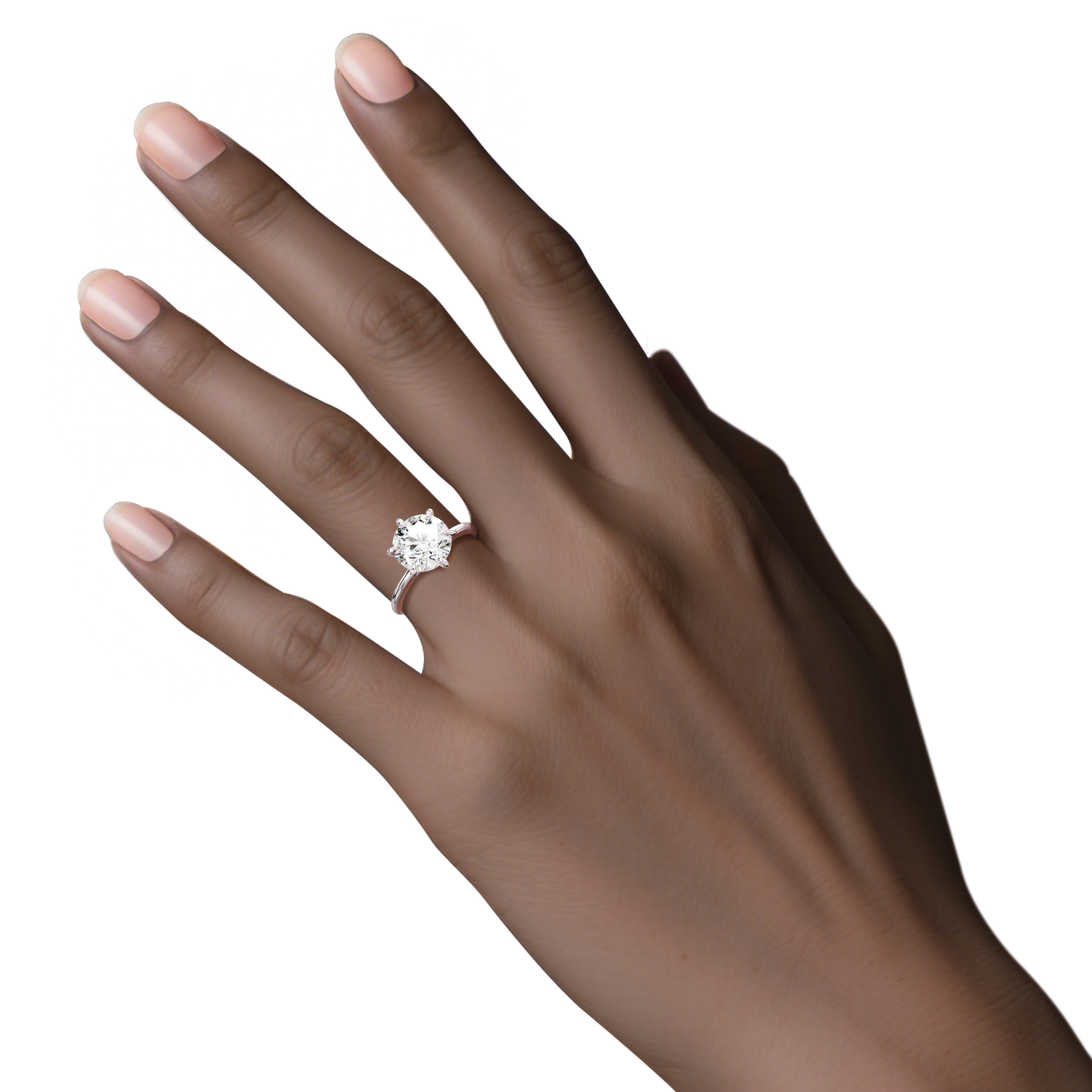
For buyers, the future outlook is practical. Retailers now display stones with simple light maps and clarity videos, so you can compare a round to a marquise on equal terms. Some even mark “tip durability” along with polish grade and girdle thickness—small notes that spare you future repairs. If you’re considering a marquise shape diamond for an engagement ring, look at real-hand photos in mixed lighting, not just studio shots. Ask for proportions, not just grades: crown angle, pavilion depth, table ratio, and symmetry. It sounds technical, but it’s user friendly when explained side by side—this versus that, problem versus fix. And—here’s the surprise—marquise stones often feel lighter on the finger due to the long axis, making daily wear more comfortable.
To distill the lesson, compare on outcomes, not only labels. Evaluate three key metrics as you choose: 1) Light performance across the center line (bow-tie control and even brightness). 2) Structural resilience at the tips (girdle thickness plus a setting plan, whether prong or bezel). 3) Proportion harmony for real-hand presence (table percentage and crown height tuned for scintillation, not just spread). Taken together, these give you clarity beyond “just pick the highest grade.” They guide you toward a marquise that feels like an heirloom in the making—calm, intentional, alive. For more grounded comparisons and proportion-first selections, see Vivre Brilliance.