
Introduction — a quick skin-lab story
I once watched a small R&D team wrestle with a sunscreen that kept turning gritty on the last test day. We had a deadline, a budget, and only so many reformulation hours. In that moment I realized how much the choice of silica in cosmetics — and the tiny differences in particle behavior — can make or break a product. The data told a clear story: a 15% variance in particle size led to measurable changes in spreadability and opacity (yes, those numbers matter). So I asked myself: how do these microscopic ingredients stir up such big headaches for formulators and users alike?
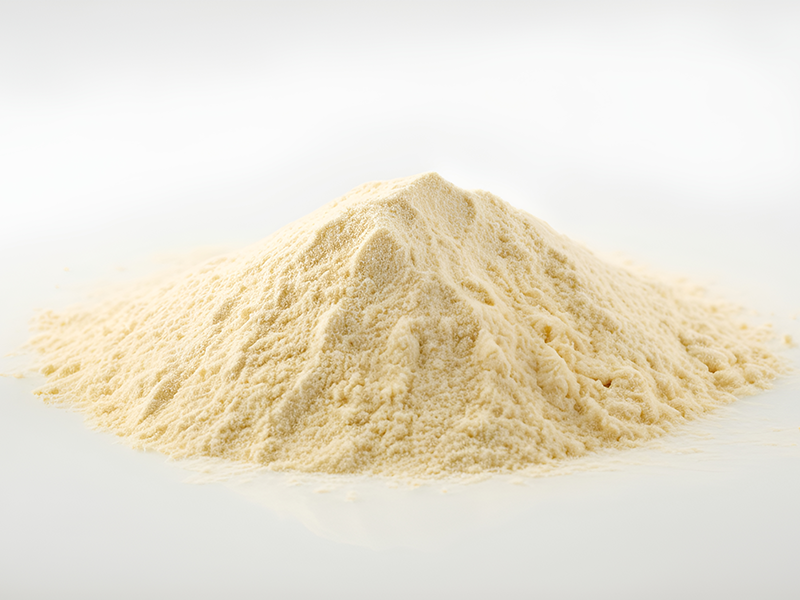
Picture a lab bench, a customer complaint email, and a package on the line (classic Tuesday). I’ll walk you through what I saw, what the numbers meant, and why a few shifts in material choice changed outcomes fast. Along the way I’ll point out practical details you can use in your own work — no jargon-heavy detours, just the facts and a little opinion. Next up: where the usual fixes fall short and what we usually miss when we patch a problem too fast.
Part 2 — Why the usual fixes fail (technical take)
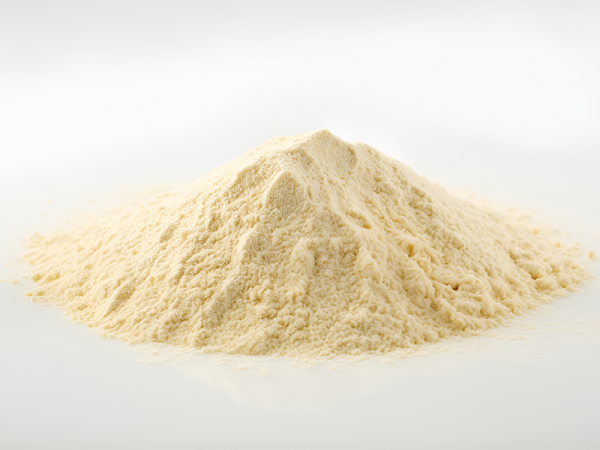
silica powder uses in food is a great reference for how one material family serves many industries, but in cosmetics we face specific constraints. Traditional fixes—just changing loading levels or adding a thickener—often ignore particle-level behavior like particle size distribution and surface area. Those two factors change how a powder suspends, the feel on skin, and the final optical effect. Flowability and bulk density also matter for manufacturing—they affect dosing, packaging, and even GPU-like uptime on automatic fillers (odd to say, but consistent flow keeps lines moving).
Look, it’s simpler than you think: swap a silica grade without checking hydrophobic treatment or porosity and you’ll get either clumping or dustiness—neither is acceptable. I’ve seen teams chase viscosity tweaks when the real culprit was abrasive surface texture or mismatched particle morphology. Here’s a short list of common blind spots: particle agglomeration, inconsistent bulk density, and mismatch between surface chemistry and emollients. We learned to test surface modification, measure abrasion, and validate spread with simple sensory panels before committing to scale.
What’s the core technical question?
How do we match silica traits (size, surface chemistry, porosity) to the desired sensory profile and manufacturing needs, without endless trial-and-error?
Part 3 — Future outlook: cases and practical metrics
I want to sketch a small case example: a mid-size brand retooled a matte primer by switching to a low-porosity silica with narrower particle size distribution. Manufacturing runs smoothed out, consumer feedback on “silky feel” jumped, and return rates dropped. We tracked spreadability, oil uptake, and abrasion—three simple measures that told the whole story. The key was focusing on material principles instead of cosmetic band-aids. Also — funny how that works, right? — small lab tests predicted big production wins.
Looking ahead, I think hybrid approaches will win: pairing tailored silica grades (consider porosity and surface treatment) with minor formulation tweaks gives the crispest results. For folks evaluating options, here are three metrics I always recommend: 1) Particle size distribution and median diameter (to predict feel and opacity); 2) Bulk density and flowability (for dosing and line efficiency); 3) Surface chemistry profile — hydrophobic vs. hydrophilic balance (for compatibility with oils and emollients). Use these to score candidates side-by-side, and validate with simple scale-up trials.
Real-world steps
Start with a shortlist, run three bench tests, then do a small pilot run. Measure the three metrics above, and ask real users for feedback. I’ve seen brands improve tactile appeal and cut waste this way—measurable wins, not guesses.
For more detail on cross-industry uses, see silica powder uses in food — the material science overlaps more than you might expect. If you want a reliable partner in material sourcing and technical support, I recommend checking out JSJ. We’re practical, we test, and we care about how products feel in the real world.