
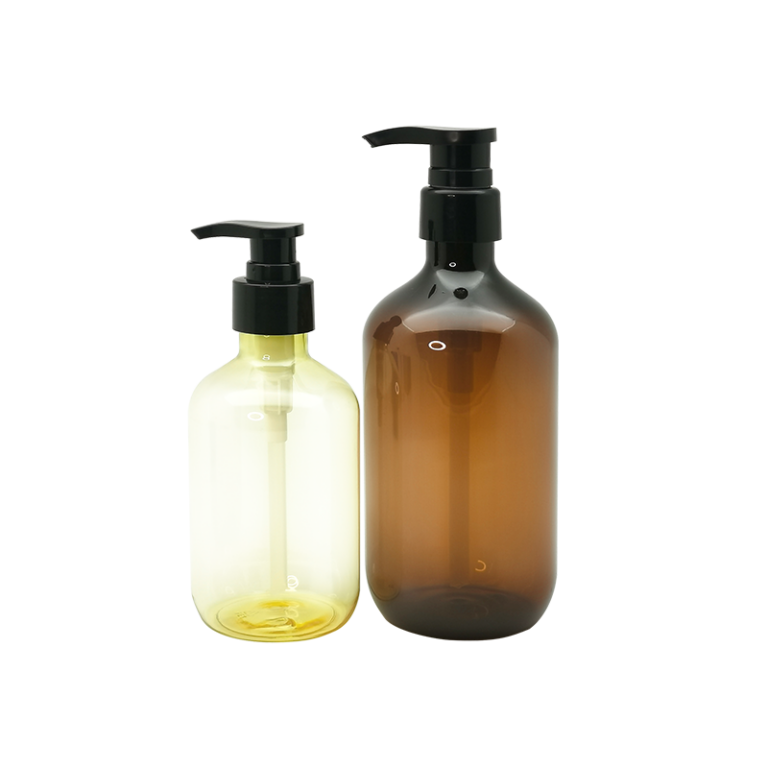
Sink-Side Reality Check, lah: Tiny Pumps, Big Consequences
A rushed morning, messy counter, sticky hands. We’ve all been there. The pet pump bottle on the sink jams, spits, then leaks into the cap well—eh, not fun. In e-commerce, returns from leaky or stuck pumps can hit double digits in some categories, and a warehouse audit I saw placed pump faults at nearly a third of preventable issues. When you’re scaling, a small actuator misfit can ripple across thousands of orders, especially after long-haul shipping and humidity swings. But here’s the thing: we tend to treat the pump as a cheap accessory, not a precision dosing system (which it really is, leh). If failure rates stack across a long campaign, your margins go sideways. So, what if we look at the pump like a system with measured dispense rate, closure torque, and dose accuracy—can or not?
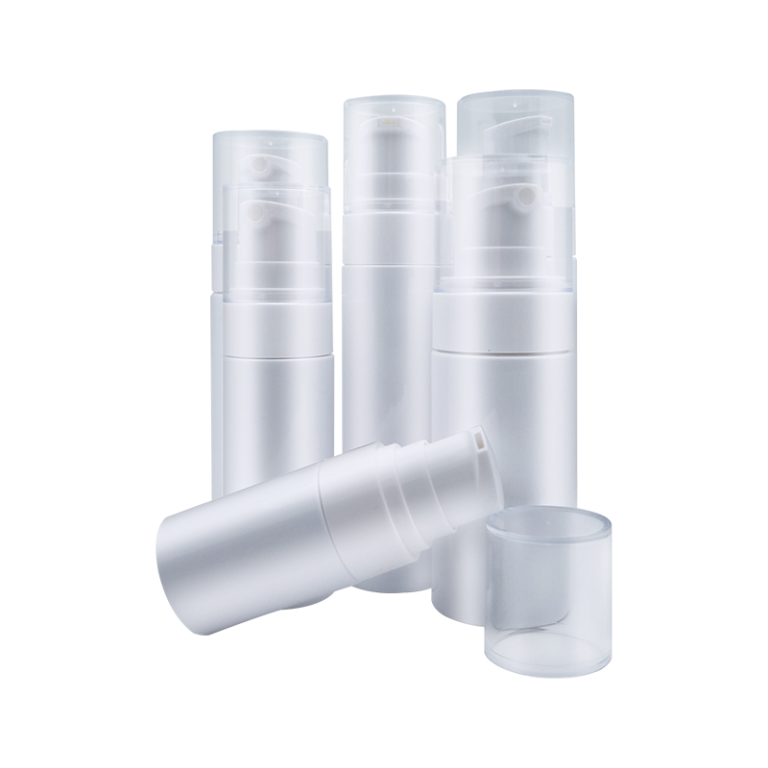
Today we’ll compare old-school thinking with smarter builds, from the sink to the fulfillment line. And we’ll ask a simple question: how to get reliable flow without lifting cost too much? Let’s move from chaos to clarity—step by step.
Bulk Wisdom, Not Bulk Headache: Where the True Cost Hides
Teams love a good deal on pet pump bottles wholesale, but price-per-unit can blind the buyer to system fit. Traditional bulk sourcing chases MOQ and palette efficiency, yet misses three quiet killers: thread finish tolerance, closure torque drift, and viscosity mismatch. When the actuator and dip tube aren’t tuned to the formula’s viscosity, dose accuracy swings. And when the spring is generic, you get erratic dispense rate under temperature changes. Look, it’s simpler than you think: match the spring constant to the target force curve, keep the anti-backflow valve geometry tight, and demand torque data post-capping. Without that, the same lot can work fine in the lab but fail after a truck ride—all because micro-gaps amplify under vibration.
Where do leaks really start?
Often at the interface. A hairline mismatch between the pump collar and bottle neck creates capillary creep, then product pools under the closure—funny how that works, right? Old fixes—extra liners, tighter caps—can crush threads or deform gaskets. Better fixes use dimensional control, cleanroom molding for the pump body, and verification on torque testers. Add transit simulation (ISTA drop tests) and you’ll catch weak seals early. If your wholesale plan doesn’t include tolerance maps, dip tube cut guides, and a clear torque window, you’re gambling. Technical, yes, but it saves real money when return rates and line stoppages fall.
What’s Next: Smarter Pumps, Cleaner Lines
Forward-looking buyers now compare old builds with tech-enabled sets. A modern pet pump bottle supplier can spec pumps with tuned spring constants, low-cavitation inlets, and vented seals to stabilize flow. Pair that with PP or PET bottles designed for consistent thread finish, and you reduce torque scatter. On the line, edge computing nodes read torque and dispense volume in real time, while vision systems check actuator seating. Even servo cappers—fed by stable power converters—cut over-torque events. Materials get smarter too: PCR resin with an added barrier layer keeps oxygen transmission rate in check for sensitive formulas. The result is fewer micro-leaks, tighter dose accuracy, and better line efficiency under real-world heat and humidity.
Real-world Impact
Compared with traditional kits, these systems behave more predictably across shipping lanes. You’ll see less pump priming time, steadier dose after 100 cycles, and fewer wet cartons (which is the nightmare, lor). The principle is simple: control the interfaces, validate the torque window, and track lots digitally for trace-back—then iterate. This isn’t overkill. It’s how teams keep returns low without padding cost. And yes, it feels a bit nerdy. But once your QA can pull cycle data and leak-rate logs on demand, buyer confidence goes up. Wait, hear me out—small gains at the neck finish or actuator seat compound across thousands of units.
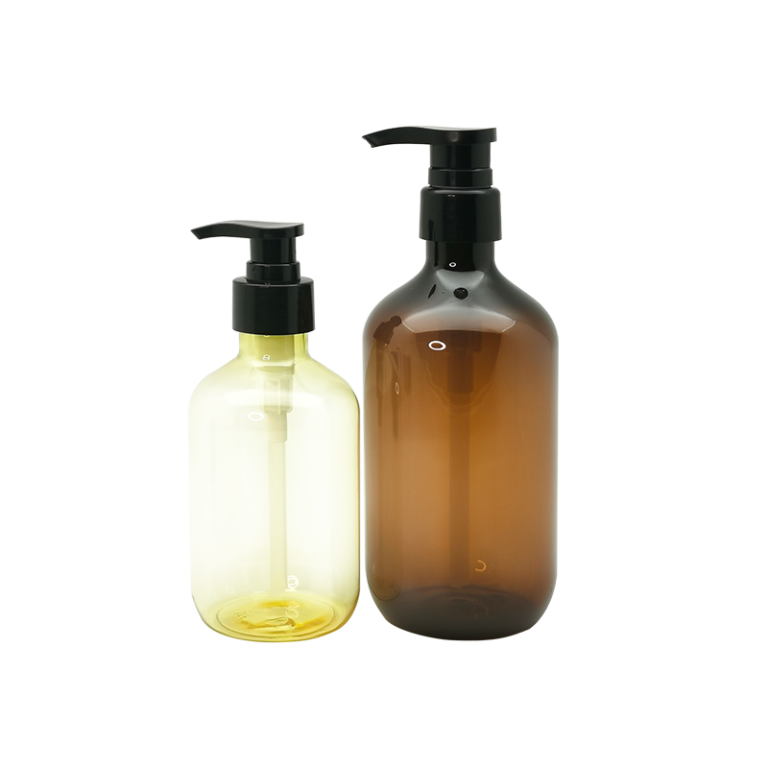
Advisory close: When you evaluate solutions, focus on three metrics. 1) Dose accuracy after 100 and 500 cycles at two temperatures. 2) Closure torque retention after vibration and drop tests. 3) Leak rate under vacuum and inverted hold. If a proposal reports those with clear tolerance bands, you’re on the right track. If not, ask tougher questions and compare like for like. Knowledge is power, but measured knowledge keeps shelves dry and customers happy. NAVI Packaging