
Introduction: A Quick Decision Window, A Lasting Impression
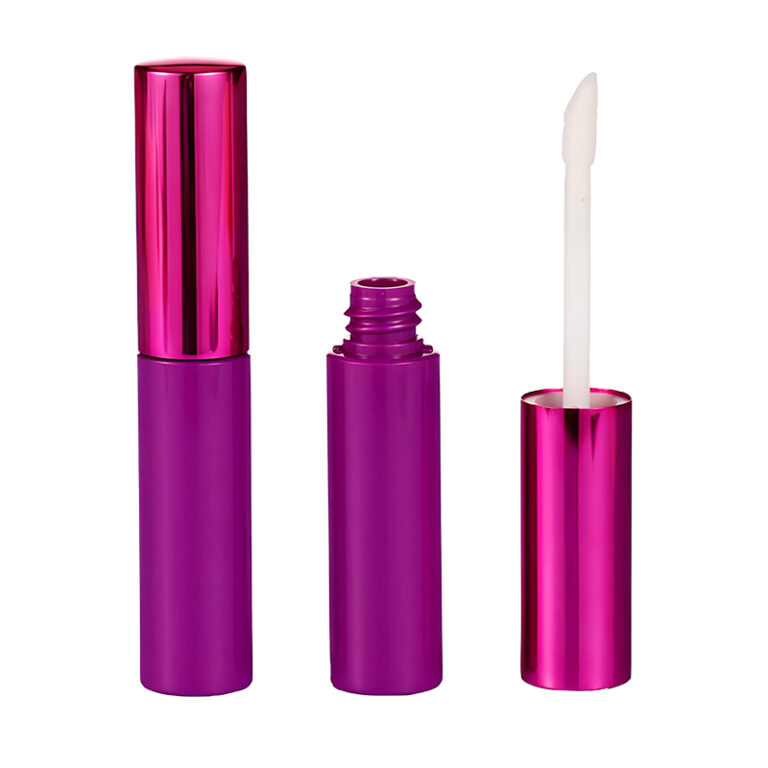
First contact decides more than we admit. You have a new gloss ready, the launch is tight, and shelf space is crowded. Your clear lip gloss tube must stand out and survive travel, testers, and daily use. In fast retail trials, many shoppers decide in under three seconds (a blink in real life). So what should guide your choice of clear lip gloss tubes wholesale clear lip gloss tube from china to make that moment count? We are talking about more than looks here—fit, feel, and function matter in the hand as much as on the page.
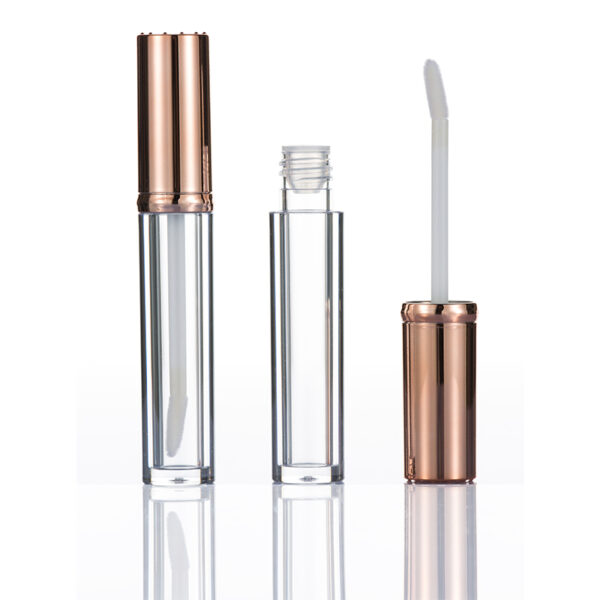
Picture a small indie brand at a trade fair. The clear lip gloss tube gleams under light, the formula is rich, and the demo goes well. But one batch leaks in transit, and the cap feels loose after two uses. Small faults, big impact. If most buyers sense quality from touch alone, what are the silent details they judge (often without words)? Let’s map those signals, then compare smartly to avoid common traps. On we go to the core issues.
Hidden Frictions Users Don’t See (But Feel)
Where do users feel friction?
Look, it’s simpler than you think, yet it hides in the engineering. Many complaints come from small mismatches: the wiper fit is too tight for high-viscosity gels, or too loose for thin oils. That gives drag or drips. Over time, poor thread design fails a torque test, so caps back off in bags—funny how that works, right? Then there is clarity that clouds after filling because the resin grade isn’t stable with your solvent load. These are subtle, and they add up.
Now the technical view. Injection molding quality sets the baseline. A clean mold and consistent cycle prevent gate marks and stress whitening. Material choice matters: PETG gives glassy clarity, but you must check OTR (oxygen transmission rate) and compatibility with fragrance. PP wipers need precise durometer so flocked applicators keep a smooth laydown without scraping. Do a drop test and a heat cycle to see if expansion cracks the shoulder. Add QC sampling for crimp or ultrasonic sealing if you run metal collars. One more point: dose repeatability. If your wiper tolerance is off by 0.1 mm, your first swipe volume swings a lot. Users read that as “cheap,” even when the formula is great. That is the pain point beneath the pretty surface.
Comparative Lens: What Improves Tomorrow’s Tube Choices
What’s Next
Moving forward, comparisons work best when they mix lab checks with field use. Place two candidates side by side, then run the same fill, same storage time, same road test. Measure clarity retention after UV exposure, and note flock wear after 100 swipes. Then compare seal integrity after a week in a warm car—real life is a tough lab. New tooling principles help here: tighter cavity control reduces variance in neck threads, while improved wiper geometry stabilizes dose. That is why many buyers now seek a vetted wholesale clear lip gloss tube built with stable PETG or PET blends and verified torque windows. Different vendors may look alike on a catalogue sheet, but repeated cycles tell the story—quickly.
Practical lessons so far: hidden friction is real, and it starts at design, not marketing. Next comes an advisory short list you can use in any review meeting. 1) Functional metrics: torque retention after 10 open/close cycles, and no-leak performance after a 1‑meter drop test. 2) Material compatibility: run 14‑day soak tests on your exact formula to confirm no haze, swelling, or odor transfer; log results by resin code and wiper durometer. 3) Dose and feel: track first-swipe volume across five units and 50 strokes each; watch for applicator flocking loss and tip deformation. Keep notes, not guesses—and yes, that matters. With a clean, shared scorecard, your next choice gets easier and safer for both brand and user. For steady, transparent collaboration, many teams look to partners like NAVI Packaging for repeatable process and clear documentation.