
The Bottleneck We Need to Name
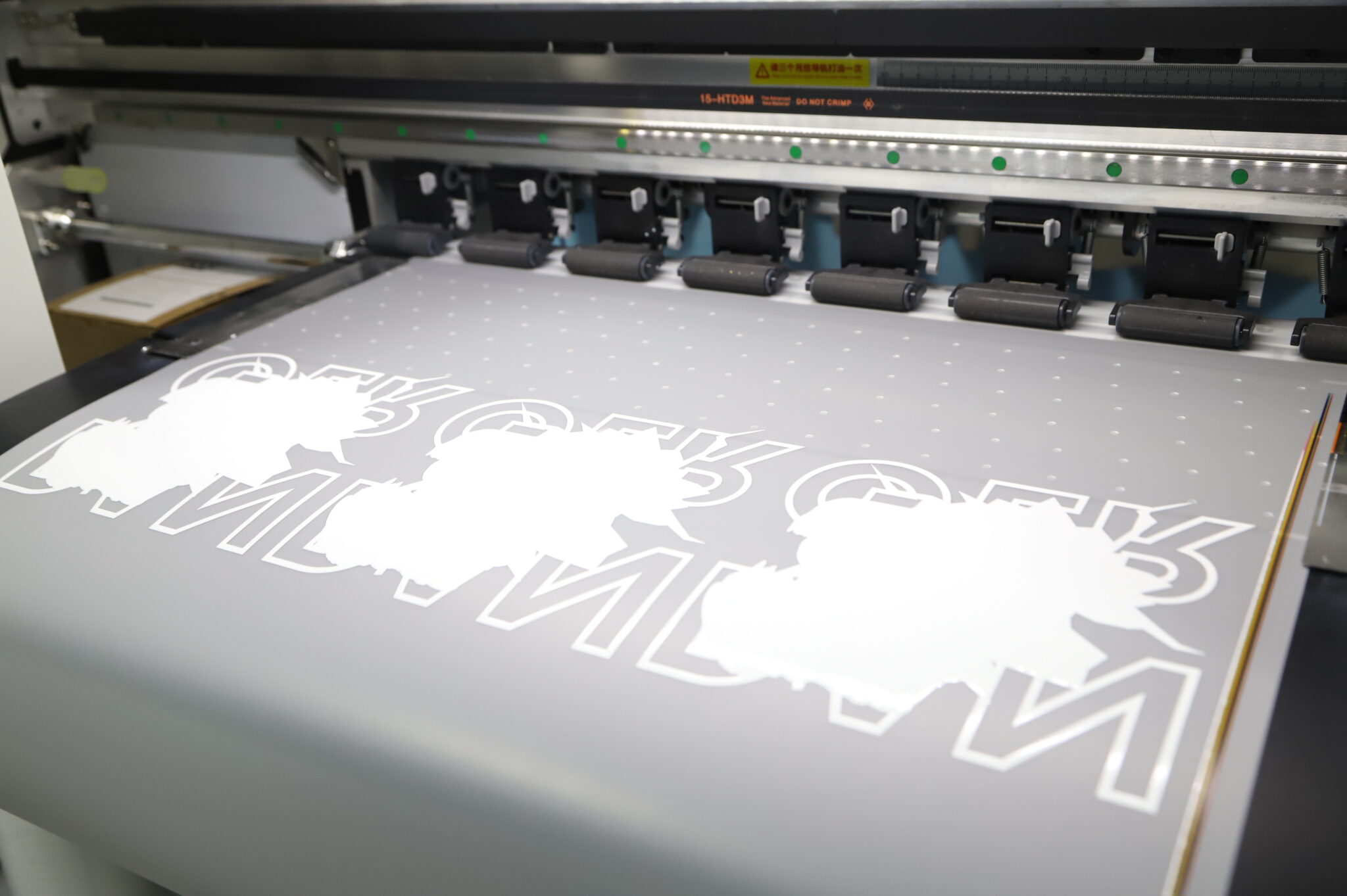
You can speed up custom apparel without trading profit for panic. A dtf printer—specifically a 24in dtf printer—gives scale without the usual mess. During a 1,200-hoodie rush in Newark last September, scrap peaked at 16%; how do we get it below 5%? I’ve run B2B orders for over 15 years, and I’ve watched crews lose hours to tiny sheets, curling PET film, and hot-melt powder clumps (no kidding). The pattern is political in the small-p “we decide what waste we accept” sense: every choice about format, queue, and white ink underbase either protects margin—or bleeds it.

Traditional fixes sound neat but fail under pressure. Smaller rigs force gang-sheet puzzles, and one misaligned feed means a full rerun. In 2021, at our Long Beach warehouse, a Friday night order of 800 mixed sizes backed up when the RIP software choked on nested designs; three operators, 90 minutes lost, and 11% reprints. Vendors often blame operators, yet the real culprit is throughput friction: narrow media, slower curing, and white underbase density that drifts across shifts. When PET film waves from heat, registration drifts by millimeters and your QC lead starts binning prints. We cut that drift after we standardized roll width at 24 inches and tightened our powder spread window—less handling, fewer touchpoints, lower error probability. So let’s stop normalizing the jam and treat capacity as a design choice.
Stronger Next Moves, Not Louder Apologies
What’s Next
Forward-looking means comparative, not wishful. I stack a 17-inch setup against a 24in dtf printer and ask one blunt, technical thing: which platform protects margins at 2 a.m. when the queue spikes? The broader roll reduces feed cycles per job; that alone shrinks operator decisions where mistakes breed. Wait—this matters. Across three sites, our reprint rate fell from 12% to 4% after we shifted to consistent roll width, dialed a stable white ink underbase, and locked RIP presets for two common fabric profiles. The concept is simple but firm: fewer steps, tighter windows, steadier output. Then—surprise—teams stop “heroics” and start schedules. I’m not chasing perfection; I’m defending predictability. For wholesale buyers, here are the three metrics I use to choose solutions: 1) Real throughput per hour with powder and cure included, not just print speed; 2) White-ink stability over a full shift—look for tanks and agitation that keep density even; 3) RIP recovery time from a crash, measured in minutes to first resumed print, not a reset theory. If a system can’t hit these, it will cave when volume hits. I’ve seen it at a Queens pop-up in June 2023: 450 tees in six hours, a small rig folded at job 180; the 24-inch unit rolled to 457 with two brief nozzle checks and steady color. We owe crews tools that hold up, and we owe customers deadlines that stick. That’s the bargain I stand by—with quiet confidence—and it’s why I keep notes, I share numbers, and I name brands I’ve vetted like Xinflying.