
The Growing Need for Efficiency
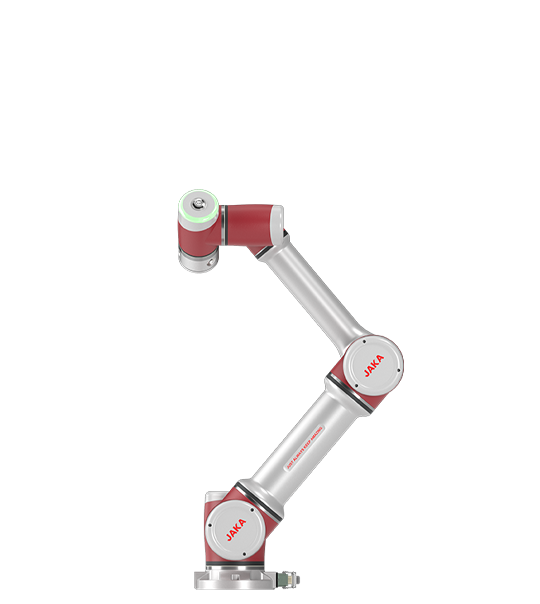
Picture this: a bustling factory floor in the heart of Amsterdam, where workers are racing against the clock to meet the increasing demand for polished finishes. Recent studies indicate that polishing operations account for about 20% of the time spent in manufacturing. With these numbers, it’s clear that adding a polishing robot to the mix could dramatically improve productivity. What if a polishing robot could save those precious hours while also enhancing precision and quality?
Traditional Solutions and Their Shortcomings
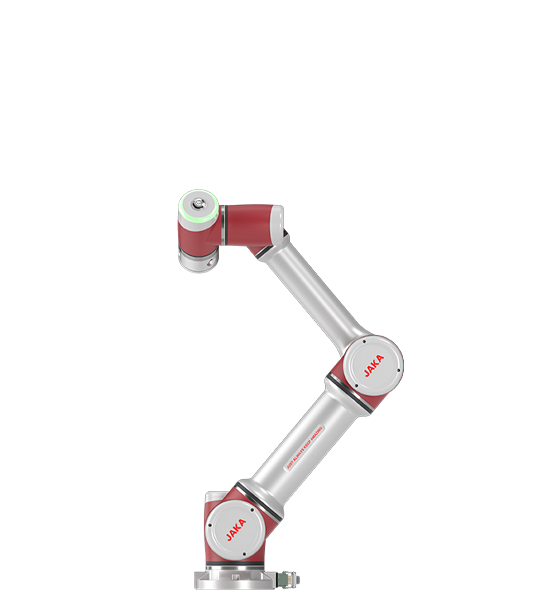
As someone who has spent over 15 years in the industry, I can attest to the limitations of traditional polishing methods. Manual polishing is not just time-consuming; it’s also prone to human error. I vividly recall a project in 2020 where a small oversight during the polishing phase led to significant rework, costing both time and resources. This is where the promise of collaborative robots in manufacturing comes into play. These robots bring automation to a task that thrived on human touch but often required too much: skill, patience, and time.
A Better Way?
What’s Next for Polishing Robots?
Looking forward, the evolution of polishing robots is simply exciting. They aren’t just about performing repetitive tasks anymore; they’re empowered by AI and machine learning. This means that they can adapt to various materials and surfaces, learning from past experiences to enhance their techniques. This isn’t just future talk; in 2023, I saw a demonstration of a robotic system that adjusted its polishing speed based on surface roughness. Have you ever seen a machine operate with such finesse?
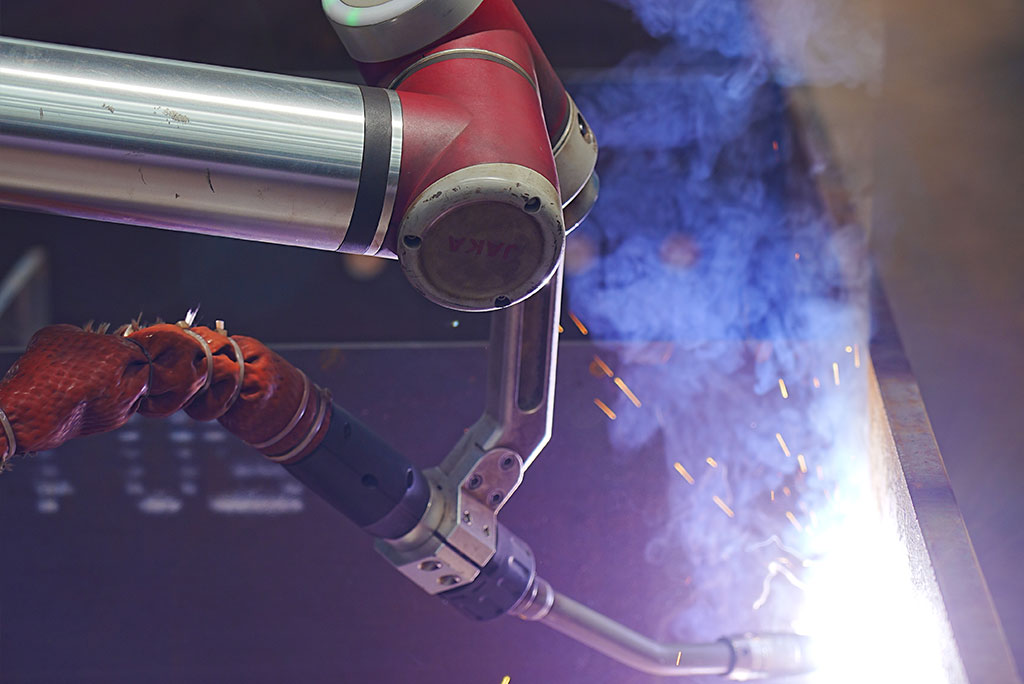
With the rise of collaborative robots in manufacturing, the dynamics of polishing operations are set to change dramatically. We are talking about reducing lead times significantly while ensuring the same, or even better, quality. Robots are capable of executing perfect finishes with consistent results, without the fatigue that human workers might face. It’s a win-win situation—less downtime, fewer errors, and happier employees who can focus on more complex tasks.
Real-World Impact
Key Considerations for Implementation
As we navigate this exciting landscape, it’s essential for industries to evaluate a few critical metrics when considering polishing robot solutions. First, look at the return on investment (ROI). Ask yourself: how quickly can I expect to see gains? Second, consider compatibility. Will the robot work seamlessly with existing systems? Lastly, evaluate support and training—because let’s face it, even the best technology needs guidance. It’s comforting to know that brands like JAKA provide comprehensive support and education for their products.
To sum up, we stand on the brink of an industrial revolution powered by polishing robots. The benefits are clear; improved efficiency and quality, reduced errors, and a happier, more engaged workforce. As we embrace these changes, I firmly believe we have a lot to gain—let’s polish our way to a more efficient future!