
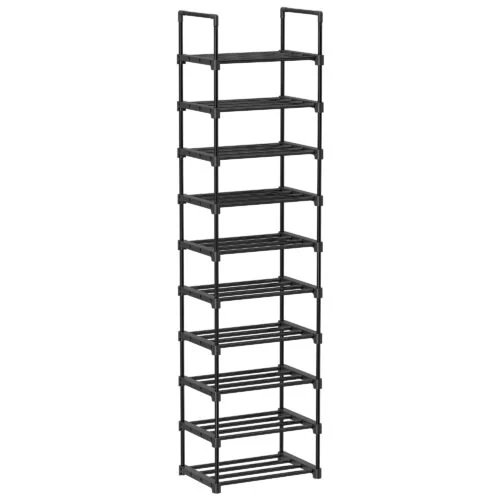
Introduction: A Hallway, a Pile of Shoes, and a Better Way
I once walked into a lobby where sneakers leaned like dominoes and heels hid in corners—everything looked tired, loud, and messy. The team had just switched to a new shoe rack manufacturer. They expected harmony, but the racks wobbled, the finish chipped, and the space felt small. Many homes and stores juggle more than a dozen pairs per zone, yet only a few setups actually fit the flow. If you’ve ever shopped for a shoe rack supplier, you know the catalogs look similar. But feel tells a truer story: powder-coated steel that feels cool, bamboo with tight grain, shelves that don’t bow under winter boots. So here’s the question: are you comparing real differences or just different photos? (Be honest.) Look, it’s simpler than you think—yet also deeper than it seems. Think load paths, weight ratings, and screw bite. Think finish that won’t mark suede. Think packaging that survives a busy route. Your choice sets the tone for daily calm. It shapes how people move, how staff reset, and how Stock Keeping Units breathe. Ready to sort signal from noise? Let’s compare what’s actually different—and what only seems different.
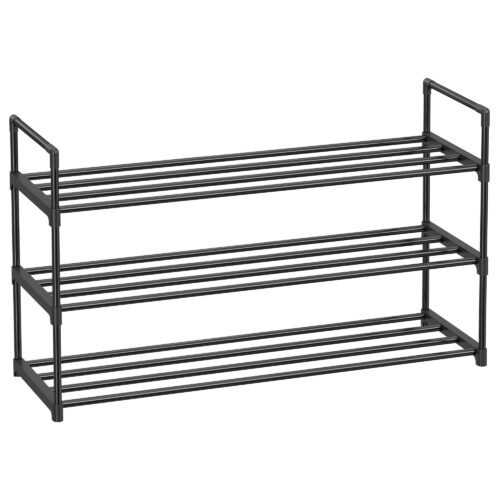
What’s Missing in Traditional Sourcing?
Where do bottlenecks really start?
Most buyers chase price and a fast MOQ, then wonder why projects stall. The old playbook skips the hidden checks. Frame geometry gets approved, yet the load-bearing spec is soft. Finish looks fine, yet the powder coating fails a simple rub on day three. Hardware fits, but fasteners strip after one reassembly—funny how that works, right? Technical fit begins earlier. Ask for weld maps, not just a photo. Check tolerance on shelf pins and upright slots. Verify bamboo moisture content and cycle tests for sag. A good factory will share their QC gates and pull-test data. A great one will show first-pass yield and rework rates.
Legacy buyers also miss the system layer. If you change one width, does the whole line break? True modularity means shelf pitch, risers, and connectors stay compatible across SKUs. That is SKU rationalization in practice. It trims cost without cutting quality. Look for CNC bending on steel parts for repeatable angles, and injection-molded connectors with glass-fiber reinforcement where it counts. Ask how packing uses edge guards to prevent finish creep. For wood, request a UV topcoat test and formaldehyde emission class. For steel, confirm salt-spray hours for corrosion resistance. These steps are dull on paper. In use, they decide if your racks creak—or quietly carry on.
Beyond the Catalog: New Principles That Change the Choice
What’s Next
Let’s go forward, not sideways. The better factories now build around data. They map stress points with simple digital twins, then adjust weld bead length to hit target stiffness at lower weight. They run small-batch pilots and capture torque curves during assembly to flag weak fasteners before they ship. An MES ties stations together so traceability is clean. Labels match parts. Kits land complete. No scavenger hunt on the floor. Even packaging is modeled so drop tests don’t guess. Pair that with clear BOMs, and you get parts that click, not fight. When you source shoe display racks wholesale, this is the quiet edge: fewer returns and faster resets. Small details—like chamfered holes, captive nuts, and consistent thread pitch—save hours in rollout.
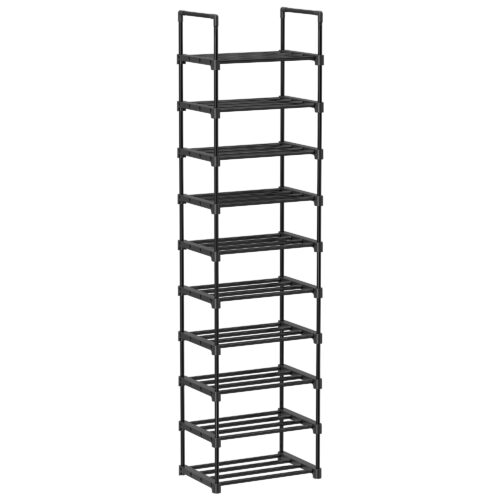
Here’s how to make it practical—apples to apples. First, compare structural basics: tube gauge, weld penetration, and shelf deflection at stated kilograms. Next, compare surface life: powder coating thickness, UV resistance, and scratch class under real use. Then compare assembly UX: clear hardware maps, reversible parts, and kitted bags by step. Keep it semi-formal on paper, human in the field. The result is simple: fewer surprises, smoother installs, longer use cycles. Advisory close-out, so you can act today. One, measure load-bearing at 2x your expected peak and note deflection at 30 minutes. Two, track first-assembly time by a new user and aim for a tight median with low variance. Three, audit claim rates over 90 days by defect type, then share fixes back to the line—small loops, big wins. In the end, great racks don’t shout; they serve. That calm you wanted at the start? It’s built, not bought—one precise choice at a time with SONGMICS HOME B2B.