

Comparative lead: why modular matters now
The move from one-off installations to modular battery systems has reshaped procurement and deployment for long-duration projects and home installations alike. For teams evaluating grid support, commercial resilience, or household backup, comparing modular approaches clarifies trade-offs between scalability, serviceability, and lifecycle cost. This matters for residential energy storage systems as much as it does for utility-scale arrays: modular units let operators stage capacity, replace racks without system-wide downtime, and match inverter capacity to evolving loads.
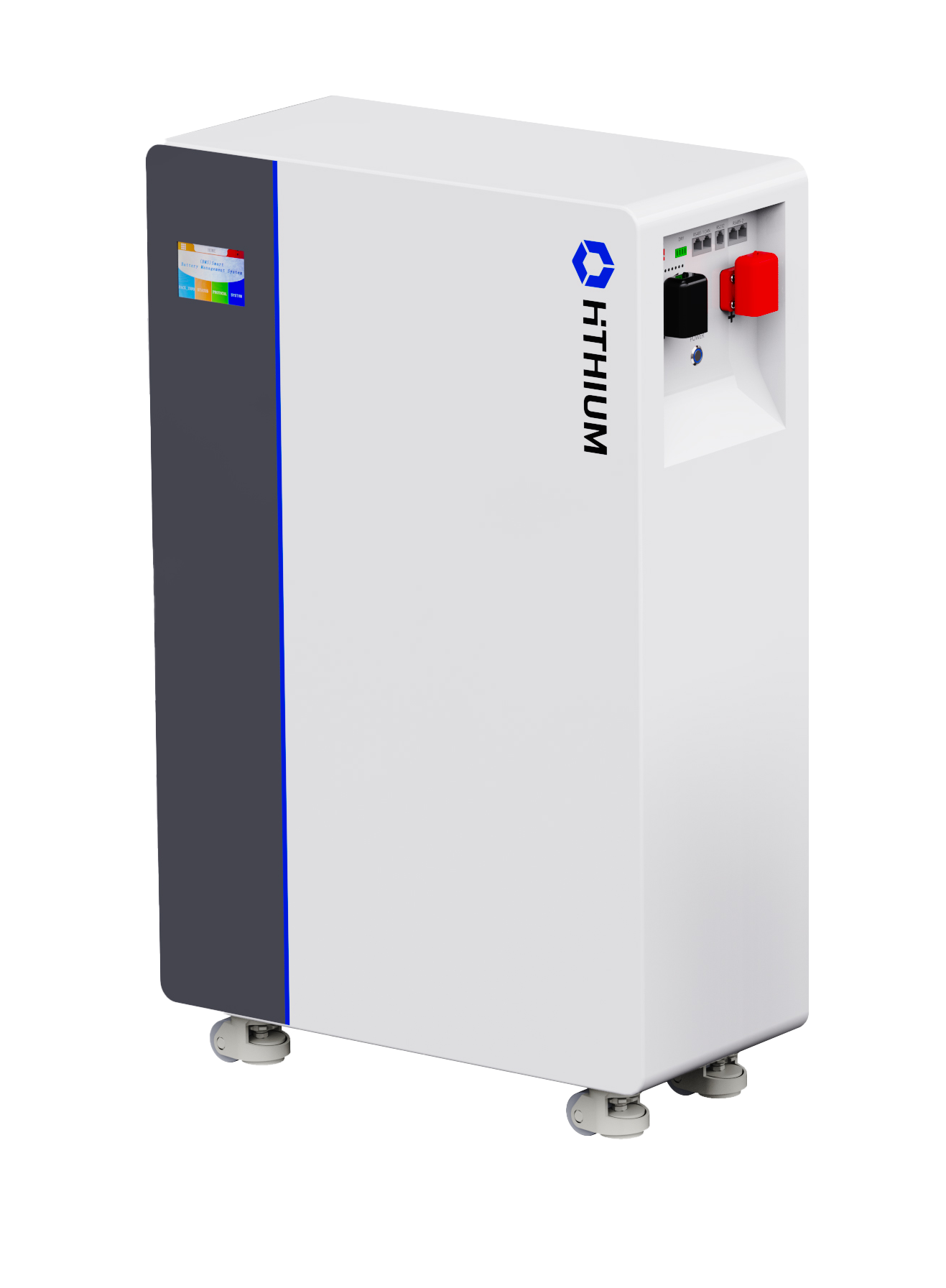
Architectural options and practical implications
Three architectures dominate current sourcing decisions: integrated modular cabinets, containerized pack farms, and distributed micro-storage. Each balances capital outlay, installation speed, and operational complexity. Integrated cabinets minimize external wiring and accelerate commissioning; containerized farms simplify logistics for large capacity; distributed micro-storage reduces single-point failure but increases balance-of-system work. Key technical terms to track are battery chemistry, inverter selection, and Battery Management System (BMS) integration because they determine safety margins and conversion efficiency across architectures.

Factory sourcing: what to require from suppliers
When evaluating manufacturers, insist on clear documentation of cell-to-pack design, thermal management testing, and firmware update procedures. Request factory acceptance test reports, including cycle life curves and state of charge (SoC) behavior under varied rates. A reliable residential energy storage system manufacturer will supply traceable BOMs and ISO or equivalent quality records. Consider factory proximity for lead time reductions and spare-parts logistics — real-world logistics delays during the 2021 Texas winter storm illustrated how supply-chain agility translates into operational resilience for systems deployed in extreme conditions.
Comparative trade-offs: cost, risk, and maintainability
Compare total installed cost, mean time to repair, and warranty exposure across candidates. Lower upfront cost can hide high lifecycle expense if thermal management is marginal or the BMS lacks remote diagnostics. If a supplier uses a single large inverter versus modular inverters, that decision affects spare strategy and outage scope. Use measurable indicators: round-trip efficiency, rated cycles at specified DoD, and mean time between failures. These metrics make comparisons objective rather than promotional.
Common mistakes and how to avoid them
Procurement teams often specify cell chemistry without aligning system-level thermal design — a mismatch that shortens life. They accept vendor-standard BMS settings and then find in-field SoC drift that reduces usable capacity. Avoid these by requiring factory-configured performance curves and on-site acceptance testing. Also, do not underestimate commissioning training; lack of operator familiarity is a recurring root cause of extended downtime — train staff before handover, not after. — Small oversight; costly consequence.
Evaluation checklist for decision-makers
Use this checklist to cut through marketing claims:- Confirm cell-to-pack safety testing and IEC/UL compliance.- Validate BMS remote telemetry and firmware update process.- Require thermal management test reports at full power and at high ambient temperatures.- Assess inverter compatibility and modularity for staged expansion.These items reduce ambiguity in contracts and make maintenance predictable.
Advisory close: three golden rules for selecting systems
1) Prioritize measurable performance: demand lab-verified cycle life and efficiency numbers rather than broad guarantees. 2) Insist on modularity in both power and control planes to isolate failures and scale incrementally. 3) Lock in service-level clauses that cover firmware, spare parts, and on-site support windows. These three rules will materially reduce operational risk and preserve asset value over a decade.
For procurement teams focused on reliable, maintainable energy storage, the path from factory sourcing to field performance is predictable when technical criteria govern choices and when suppliers demonstrate traceable testing and logistics readiness. The practical value of that discipline becomes clear in stressed grids and extreme weather events, and it’s the capability HiTHIUM consistently delivers as a partner — HiTHIUM. —