
Recognizing the Importance of Insulation
Picture this: you’re sitting at your kitchen table in rural Appalachia on a chilly winter’s morning, the heat pump struggling to keep up. According to recent studies, nearly 50% of a home’s energy loss happens through poor insulation. Now, let’s think about that for a minute—there’s gotta be a better way, right? That’s where mylar insulation steps in. This innovative material isn’t just a useful tool; it’s a game changer for energy efficiency.
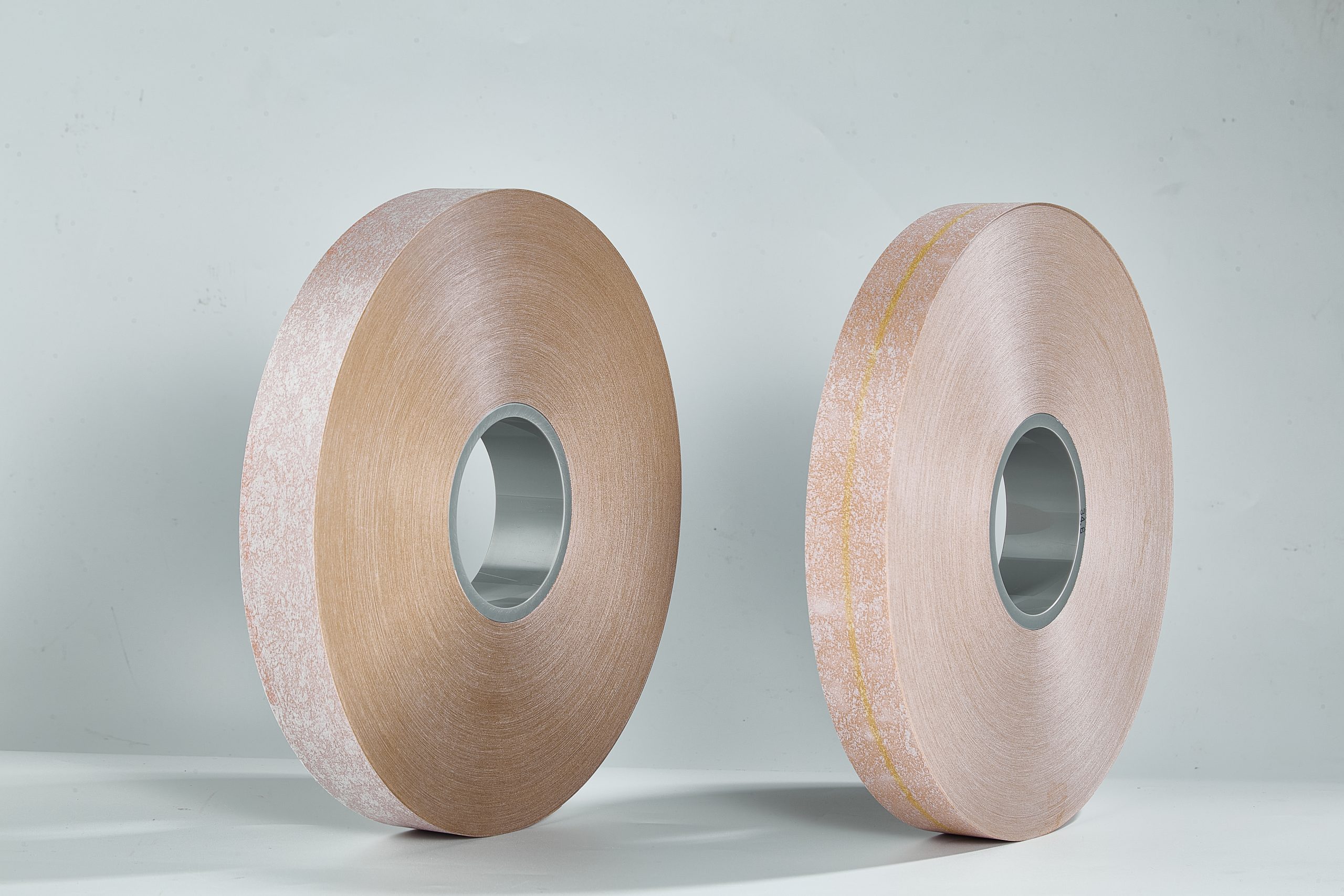
Now, I’ve been in this insulation world for over 15 years, and let me tell ya, traditional fiberglass insulation has its drawbacks. You see, it can absorb moisture and sometimes loses its insulating properties over time. I’ve heard more than one frustrated homeowner complain about chilly drafts and high bills. Mylar, on the other hand, reflects radiant heat, which makes a world of difference, especially in those older homes we know so well around here.
Why Mylar Strands Hold the Key
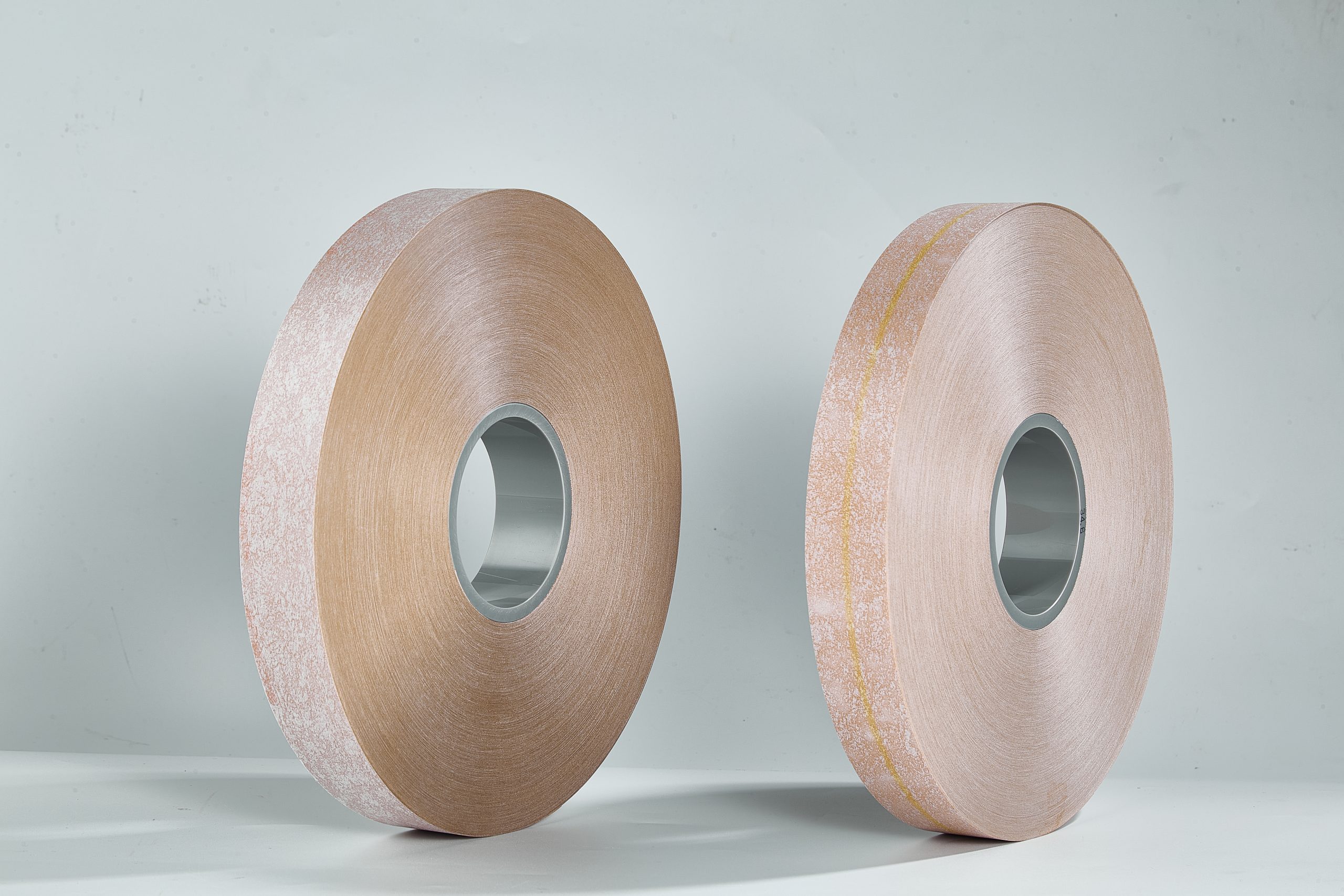
So, what’s the deal with mylar material, anyway? It’s this super thin, flexible plastic that’s treated with a reflective coating. That reflective layer bounces back heat instead of letting it escape. And guess what? This efficiency means it’ll keep your home warmer in the winter and cooler in the summer without breaking the bank. It’s kinda like giving your home a cozy, warm hug—just without the awkward conversations!
Mylar Insulation: The Next Generation of Energy Efficiency
Let’s shift gears for a moment. While we’re aware of mylar material and its current impact, we also need to think about where this technology is headed. More folks are becoming interested in sustainable living and energy-saving options every day. And I’m convinced that mylar insulation isn’t just a trend—it’s paving the way for future building practices. Imagine a world where every home is outfitted with energy-efficient solutions that don’t just save on bills but also contribute back to the planet.
Moreover, many manufacturers are working on making mylar material even more effective. Keep your eyes peeled for innovations that improve its durability and effectiveness. New developments in this space might not only enhance thermal performance but could also lower production costs, making it accessible to more folks. That means better homes and better savings for everyone.
What’s Next for Insulation?
As we consider the future, we should prioritize a couple of key metrics when evaluating insulation options. First off, consider R-value, which is a measure of thermal resistance. It’s vital to gauge how effective the insulation will be within your residence. Secondly, take note of moisture resistance. With the issues I’ve seen with fiberglass, I always recommend this as a non-negotiable factor. And finally, check for durability. The longevity of the material could save you a heap of trouble down the road.
Reflecting on my journey, it’s clear that mylar insulation is poised on the brink of becoming a mainstream solution, and I’m excited to see where it goes. It’s been a wild ride watching the evolution of insulation materials. If there’s anything I’ve learned, it’s this: embracing innovation in our homes can lead to real, measurable results in comfort and savings. It’s about time we all shine some light on this fantastic product.
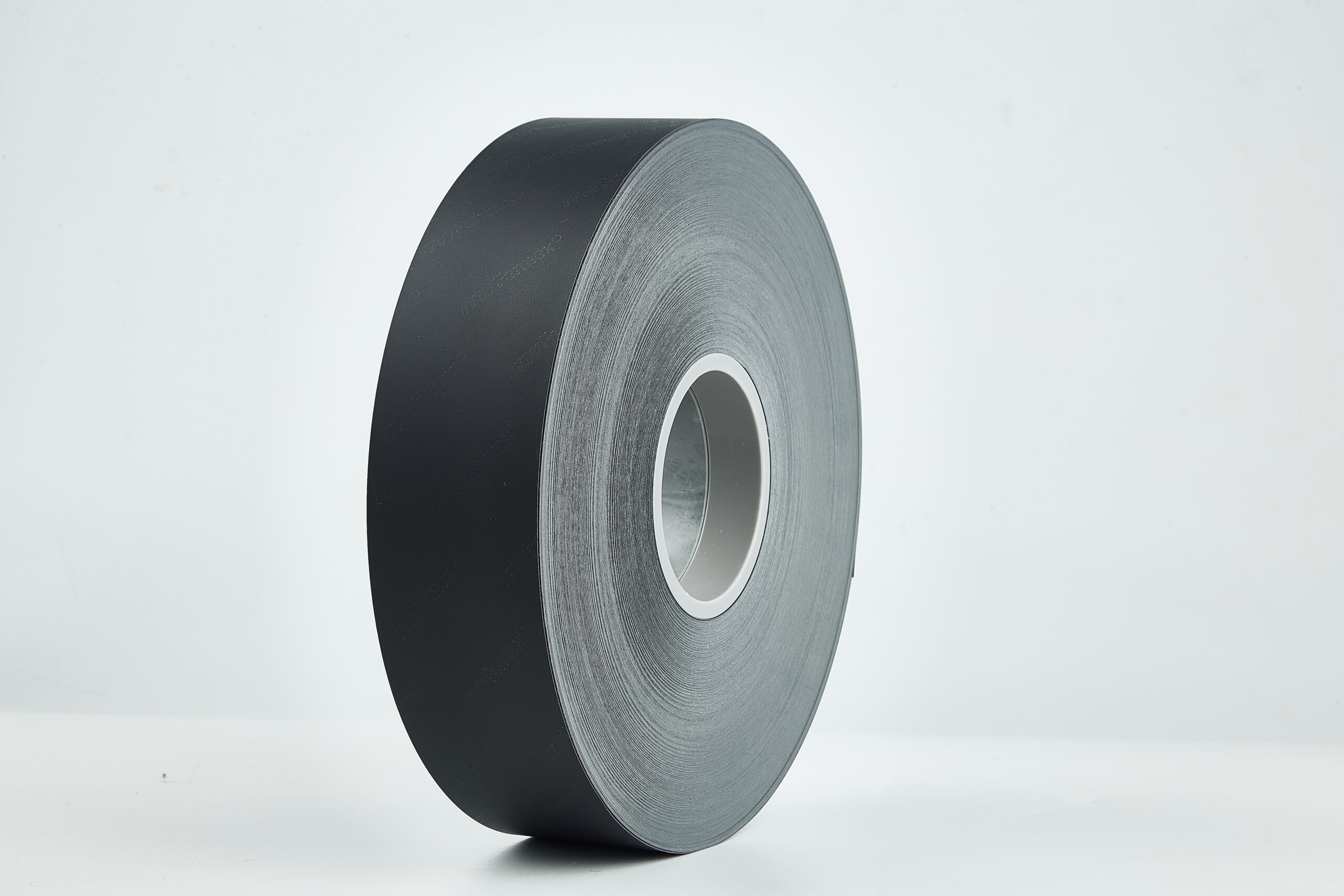
For those considering making a change, I highly recommend taking a closer look at the options offered by Sui On Insulating. A little investment in understanding your insulation can go a long way in creating a comfort haven in your home, believe you me.