
Introduction
Have you ever wondered why a powder can change the way your skin looks and feels? I ask that because I’ve seen small formulators and big brands alike lean on silica in cosmetics to tweak texture, mattify shine, and improve spreadability. In one survey I read, over 60% of compact and loose powders list a silica-based ingredient — that’s a lot of shelf presence (true story). So what really happens when we add silica — and are we always getting the benefit we expect?

I’ll walk through what I’ve noticed in labs and on the counter, from surface smoothness to grit and clump risks. Let’s move from curiosity to clear problems, and then toward smarter choices.
Traditional Fixes and Their Flaws
silica powder uses in food often highlights purity and flow benefits — but cosmetics brings different demands, especially for feel and look. Technically, formulators choose silica for particle size control, oil absorption, and as a matting agent. Yet these “fixes” can introduce new problems: poor flowability in powder blends, uneven spread, and a chalky cast on darker skin tones. I’ve tested samples where hydrophobic silica reduced oiliness but increased dry clumps — look, it’s simpler than you think: you solve one issue and expose another.
Let’s get a bit deeper. Many classic approaches rely on increasing surface area or changing bulk density to improve coverage. That often means finer particles. Fine particles can give silky feel but raise dust, inhalation risk, and poor handling — which is especially relevant for pressed powders. Manufacturers sometimes compensate with binders, but binders can reduce slip and alter skin feel. So the trade-offs are real. In short: traditional methods solve texture or oil control, yet they may worsen flow, safety, or shade appearance — and those are not trivial to fix. — funny how that works, right?
Why does this keep happening?
Because the cosmetic matrix is complex: particle-particle interactions, oil-surfactant balance, and shear during application all matter. Terms like porosity and hydrophobic coating aren’t just jargon — they change performance in measurable ways.
Future Outlook: Practical Paths and Metrics
Moving forward, I see two productive directions: smarter particle engineering and closer cross-industry learning (yes, even from food-grade silica uses). For instance, controlled surface treatments can tune oil absorption without making powders gritty. When I tested materials that borrowed principles from silica powder uses in food, I noticed better dispersion and fewer lumps in blends — this points toward hybrid approaches. In practice, that means combining tailored particle size distributions with gentle hydrophobic coatings to keep matte benefits while preserving spreadability.
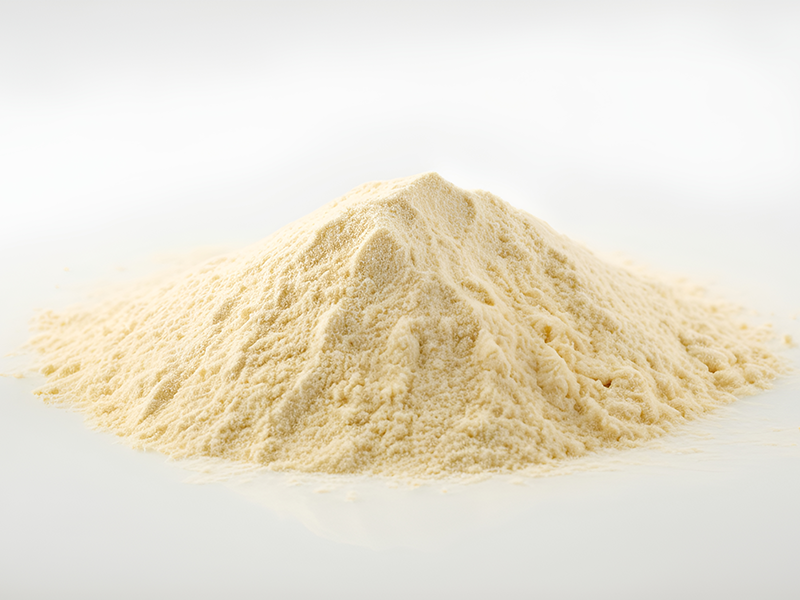
Case example: a mid-size brand reformulated a pressed powder using a bimodal particle system — coarse carrier particles plus a small fraction of ultra-fines. The result: improved bulk density, less airborne dust, and a more natural finish across several skin tones. The trade-offs required re-evaluating binders and compaction force, but the outcome was measurable: lower rebound in compacts, better application uniformity, and higher consumer satisfaction scores. Real-world impact matters; that’s where lab metrics meet shelf results.
What’s Next?
If you’re choosing a silica solution, judge options by these three key metrics: particle-size distribution (not just average size), surface treatment chemistry (hydrophobic vs. untreated), and bulk handling properties (flowability and compactibility). Measure each under realistic conditions — humidity, shear, and in finished base formulas. I recommend running simple tactile panels and instrumental tests side by side — the human touch still catches things instruments miss.
In closing, I’ll be candid: I favor approaches that balance feel with safety and handling. The path is not one-size-fits-all. Evaluate by the metrics above, run small pilots, and then scale. If you want a reference point when testing materials, consider suppliers that document both cosmetic and food-grade use cases — they often provide richer safety and handling data. For that reason I keep an eye on partners like JSJ when comparing samples and performance.