
Introduction: a quick scene, a few numbers, and a question
I was on the shop floor last week watching a small team chase a jammed line—familiar sight, right? The day started with one operator and three machines; by noon throughput had dropped nearly 18% and frustration was loud (and fair). In that moment I kept thinking about the lid applicator machine sitting idle next to the conveyor, waiting for a fix. Data from several mid-size plants shows similar dips: small stoppages add up to hours lost every week. So how do we actually reduce those stoppages and get steady output without overpaying for bells and whistles?
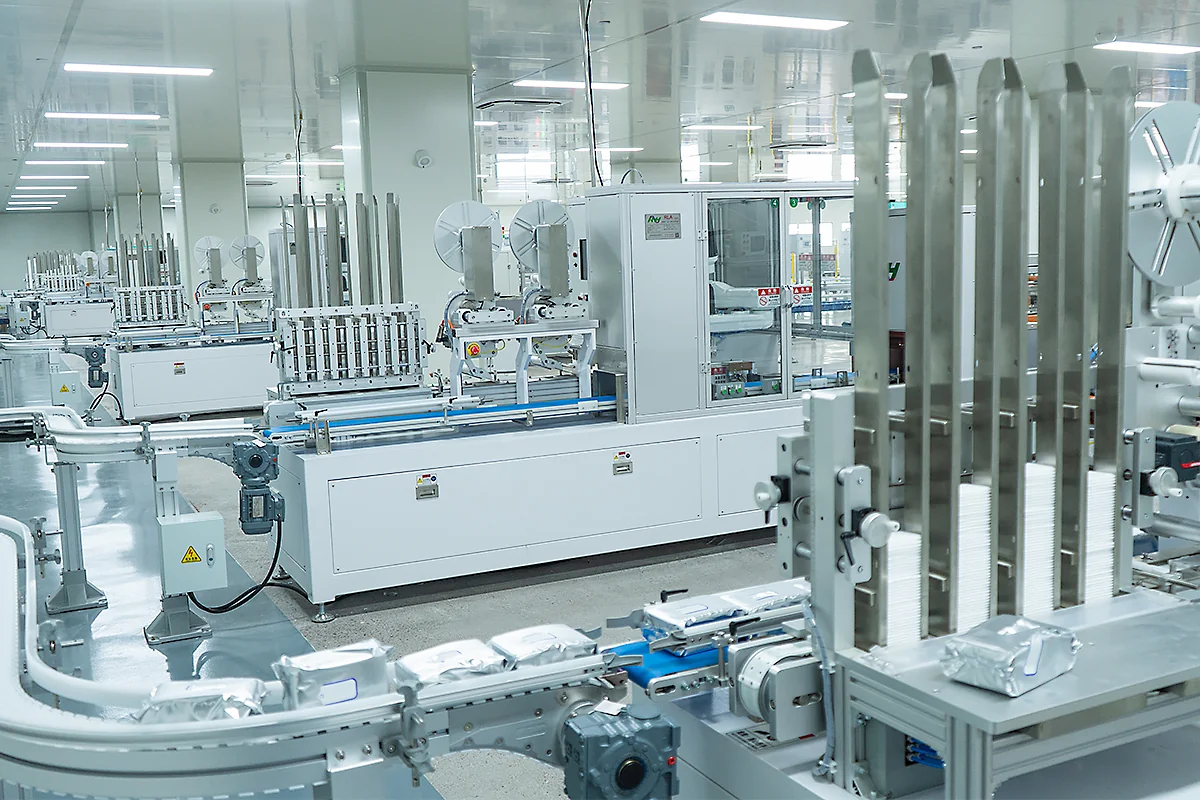
I’ll be frank: I’ve seen quick fixes that mask problems and expensive upgrades that don’t address real pain. We want practical, repeatable improvements, and I plan to walk through them clearly. I’ll describe common failings, dig into hidden user pains, then look ahead at sensible choices — no hype. Ready? Let’s move on to the core issues that usually get ignored.
Traditional solution flaws and hidden pain points
What’s going wrong?
When teams talk to me about an automatic lid applicator, they often start with the visible trouble: lids misaligned, adhesive squeeze inconsistent, or lids not seating properly. Those are symptoms. The deeper problems are process and control related. For example, outdated PLC programming can make error recovery clumsy, while weak vision systems miss subtle misfeeds. I’ve watched a line lose minutes each hour because the control logic didn’t prioritize quick rehomes — waste that compounds fast.
Another frequent flaw is reliance on reactive maintenance. Instead of scheduled checks on servo motors and power converters, teams wait for alarms. That means unplanned downtime and rushed fixes. Look, it’s simpler than you think: predictable maintenance and better sensors reduce surprises. Also — funny how that works, right? — operator training gets neglected. Users need clear feedback from human-machine interfaces (HMIs). When the HMI is cryptic, people bypass safety prompts and create workarounds, which eventually become SOPs. That’s the kind of hidden pain that chips away at throughput and morale.
Future outlook: new principles and evaluation metrics
What’s next?
Moving forward, I advocate for two practical approaches: improve core control, and choose components that reduce variability. New technology principles matter here: modular PLC architecture, robust servo control, and integrated vision inspection can each cut cycle time variability. An automatic lid applicator with modular I/O and clearer diagnostics makes troubleshooting faster. In plants I’ve worked with, adding just one well-placed camera and tightening servo tuning trimmed rejects by 12–15% within weeks.
When evaluating upgrades or replacements, I ask teams to compare solutions on three practical metrics: uptime gain (real, measured hours), mean time to repair (MTTR), and reject rate improvement. Those three tell you whether a machine truly delivers. Also, don’t ignore lifecycle costs — spare parts availability and training time matter. Try a pilot run when possible. It’s not glamorous, but it shows results — and you learn fast. — small pilots, real feedback, better buys.
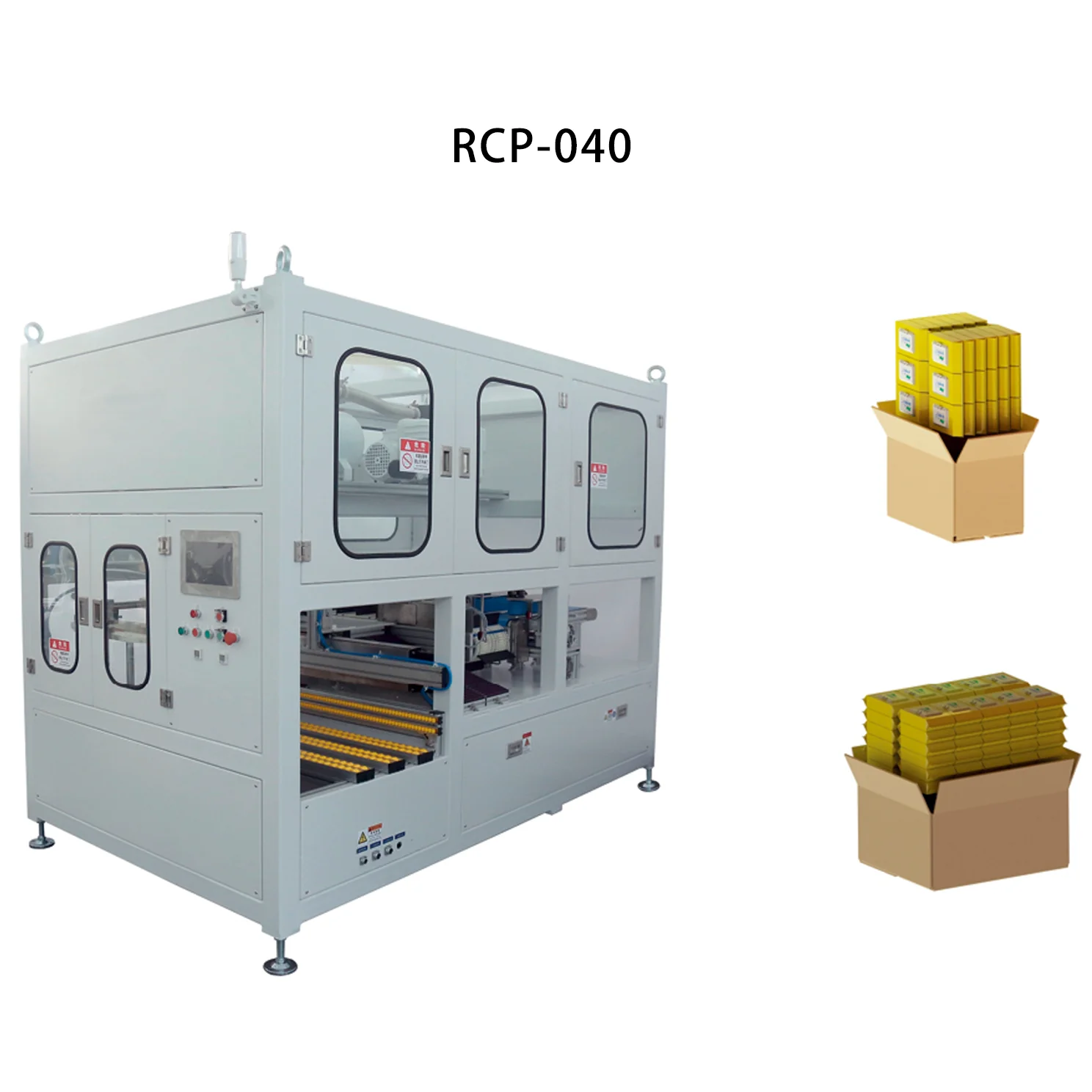
Putting it together: three metrics to choose the right system
Here are the three evaluation metrics I recommend you track before signing off on a purchase:
1) Uptime improvement: measure baseline running hours and estimate the percent increase a candidate machine or upgrade promises. 2) MTTR: record typical repair times for common faults (replace motors, rethread lids, recalibrate sensors) and pick solutions that reduce those minutes. 3) Quality delta: quantify current reject rates and demand measurable reductions after installation (aim for single-digit percentage drops where possible).
If you follow those steps — and I mean really follow them, with data and short pilots — you’ll make smarter choices, save budget, and improve operator experience. In my view, the best moves are often the pragmatic ones: better diagnostics, a clearer HMI, and sensible preventive maintenance. That’s how you turn a finicky lid applicator into a reliable part of the line. For practical options and more details, check out ZLINK.