
Introduction
I was once standing in a noisy plant, watching a line of motors stutter and restart — a small, human moment that taught me a lot. Electrical Motor Products are the quiet backbone of factories, HVAC systems, and robotics, and yet most teams treat them like solved problems. Data tells a sharper story: downtime from motor faults eats into 5–10% of productive hours in mid-size plants (I’ve seen the spreadsheets). So I ask—how much more could we gain if we actually redesigned control and maintenance with intent? (Hint: a little insight goes a long way.)
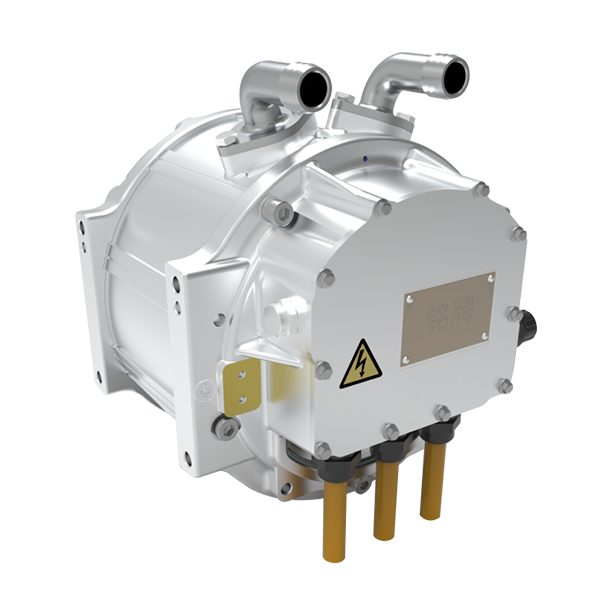
I want to share what I’ve learned in a practical way. I’ll point out where common fixes fail, show the deeper user pains behind those failures, and then look forward to principles that change the game. Expect real examples, plain judgement, and a few blunt truths — nothing fluffy. Now, let’s peel back the first layer and find the real friction.
Part 1 — Deeper Issues: Traditional Solution Flaws and Hidden User Pain
When I test an ac motor and controller, I don’t just log voltages. I watch how people interact with it. The classic fixes — oversized drives, rigid PLC logic, and band‑aid maintenance — mask deeper problems. First, controllers tuned for one load type fail when the line changes. Second, many systems still rely on open‑loop assumptions; they ignore torque ripple, thermal stress, and real-world load variation. Third, documentation is often written for engineers, not operators, so errors slip through. Look, it’s simpler than you think: without good feedback loops and clear UI, even the best inverter or servo drive won’t save you.
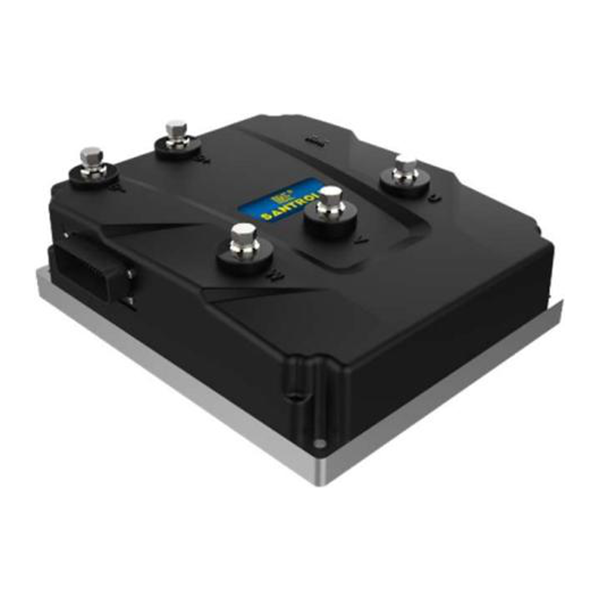
Here’s the technical truth (short and direct): many controllers use fixed PWM schemes and basic current limits. That’s fine for stable loads, but not for variable torque or frequent starts. The result? Hunting, overheating, and premature bearing wear. I’ve seen motors fail because the cooling strategy didn’t match duty cycle — funny how that works, right? Terms to know: PWM, torque ripple, and field‑oriented control. These matter because they shape how control algorithms respond to real loads, and because operators under stress make choices that compound design flaws.
What’s the hidden snag?
The snag is human plus technical mismatch. Engineers tune for specs. Operators work with messy reality. The system lives somewhere in between — and that’s where failures creep in.
Part 2 — Forward View: New Technology Principles for Better Motor Control
Now let’s talk about principles that actually change outcomes. I’m proposing three that I use when advising teams: adaptive control, context‑aware protection, and cleaner human interfaces. Adaptive control (think model‑based or auto‑tuning loops) reduces the need for endless manual retuning. Context‑aware protection blends thermal models with load profiles so limits are meaningful, not arbitrary. And interfaces that speak operator language cut error rates fast — it’s practical ROI. I like to compare old and new: older systems protect by shutting down; new ones protect by adapting and informing. — and that difference shows up in uptime and repair bills.
To make this real, consider how motor control products like cloud‑enabled drives add value. They bring telemetry, trend analytics, and remote tuning. You get alerts that mean something — not noise. I’ve worked with teams that cut unscheduled stops by half after introducing simple telemetry and a redesigned HMI. The tech terms here: inverter efficiency, servo drive resolution, and predictive diagnostics. Use them, but don’t worship them. The goal is clearer decisions on the floor, faster fixes, and less guesswork — and yes, it often requires rethinking how you budget for controls and service.
What’s Next
So what do you do tomorrow? Start small. Add a sensor to a critical motor. Enable one piece of telemetry. Train an operator on one new alarm. Then scale what works. — and keep the team involved.
Conclusion — Evaluation Metrics and Practical Takeaways
I’ll leave you with three concrete metrics I use to judge any motor control upgrade: 1) Mean Time Between Faults (MTBF) improvement — does the change extend reliable operation? 2) Recovery Time (mean time to restore) — can your team get a line back fast with the new tools? 3) Operator Error Rate — does the interface reduce mistakes under pressure? Measure these before and after. That’s how you prove value, not just hope for it.
I believe in practical change. I’ve seen modest upgrades produce real savings and calmer shifts. We can stop treating motors like black boxes and start making them predictable assets. For teams ready to move, check deeper control options and telemetry on Santroll — they offer a range of solutions that fit these principles. Santroll