
Introduction — a quick scene, some numbers, and a question
Have you ever wondered why two labs can buy the same gear and get wildly different outcomes? In my experience, a cryostat machine often looks like a simple buy on a purchase order, but it quietly shapes experiment uptime, energy bills, and staff stress. Recent surveys say downtime and maintenance eat up to 15–25% of an instrument’s useful time in mid-sized labs (that’s not trivial). So I ask: how do we pick a cryostat that does more with less—less energy, less fuss, fewer surprise repairs?
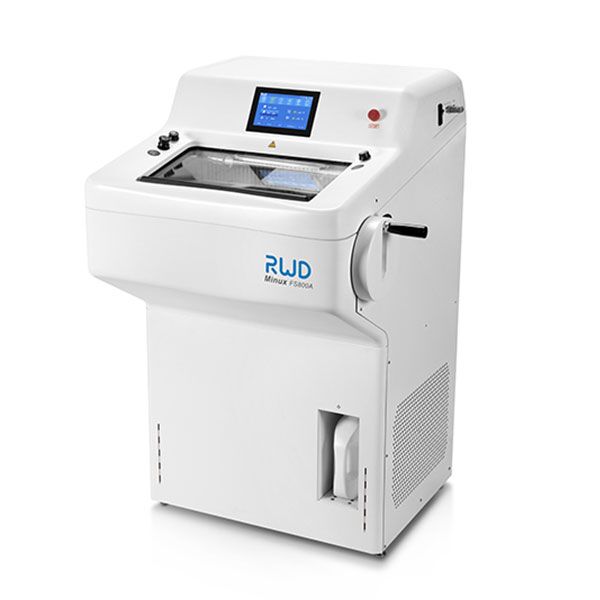
I’ll share what I’ve seen and what I think matters most. I write from hands-on runs and many conversations with technicians. My aim is to be blunt and practical, not flashy. Let’s move from the scene and numbers into the real trouble spots that hide behind the specs.
Where conventional cryostats fall short (a closer, technical look)
cryostats often promise steady low temperatures and quiet operation on paper. In reality, several engineering and operational gaps show up once the unit is in place. First, thermal conductivity mismatches and poor vacuum chamber seals drive unpredictable cooldown cycles. Second, older control systems lack smart power management, so power converters and cooling runs stay at full draw even when the load is light. These are not minor annoyances; they shorten run windows and push labs into emergency maintenance cycles.
Look, it’s simpler than you think: weak thermal links and leaky vacuums cost time and money. I’ve watched teams chase flaky sensors while the root cause was a poorly designed cold finger or a marginal pump. Many vendors spec ideal conditions. But field conditions differ—contamination, line voltage swings, and user tweaks matter. Edge computing nodes for local control can help, but only if they’re integrated properly. — funny how that works, right?
What’s the hidden cost?
The hidden costs are human and systemic. Staff time spent troubleshooting, emergency parts orders, and the anxiety of missed deadlines all add up. I’ve seen labs trade off routine maintenance to hit publication goals, and that leads to bigger failures. From an engineering view, you need a clear picture of mean time between failures, spare-part lead times, and how the cryostat handles common disturbances (thermal shocks, power dips). If you don’t plan for those, you’ll pay later—often more than the equipment itself.
Principles for next‑gen cryostat machines — what I look for going forward
I want to focus on practical principles that I believe will define the next wave of better-performing cryostats. First, modular control electronics that include smart power converters and local diagnostics reduce downtime. Second, design-for-service—easy access to pumps, sensors, and vacuum seals—means quicker fixes and fewer expensive service calls. Third, better thermal design that pairs low-conductance supports with optimized cold finger geometry improves temperature stability and reduces cooldown time. These principles aren’t hypothetical; I’ve seen them cut maintenance hours and energy use in pilot installs.
cryostats that embrace these ideas also tend to include better software telemetry, which helps spot trends before they become outages. That said, software is not a cure-all. Hardware and simple checks still matter. I recommend labs demand clear data on thermal drift, pump load, and cold-stage recovery times. What’s next? We’ll see more hybrid designs that balance cryogenics knowledge with smarter controls—edge computing nodes married to rugged hardware. — and I’m honestly excited about that shift.
What to measure — three practical evaluation metrics
When you evaluate options, I suggest focusing on three metrics that cut through the marketing:
1) Mean Time to Stable Temperature: How long does the cryostat take to reach and hold target temperature under realistic loads? Shorter times mean faster results and less wasted energy.
2) Real-world Power Draw: Look beyond peak specs. Ask for power profiles during cooldown, steady state, and recovery from disturbance. Consistent lower draw saves money and extends component life.
3) Serviceability Index: How fast can a trained technician replace common wear parts? Check diagrams, access paths, and spare-part lead times. Faster service means less downtime and lower total cost of ownership.
I’ll end with this: I care about tools that make lab life calmer and more predictable. Choose instruments that favor fixability and measured performance over glossy specs. If you want a starting point, check the product pages and spec decks, but then ask for lab-level data and a site visit if you can. I’ve learned that the best buys are the ones that feel right in your workflow—not just on paper. For practical sourcing and more details, I often point colleagues to BPLabLine, which lists clear specs and field data.