
Introduction — Who Really Pays for Bad Air?
Have you ever watched a neat bead of smoke curl from a laser cutter and wondered who will breathe it later? I ask because a laser fume extractor sits between that plume and every person in the room, and I’ve seen what happens when it’s the wrong choice. Recent shop audits show particulate spikes (PM2.5) rising fivefold during cutting shifts — and yet many facilities keep running with underperforming units. So what do we do about exposure, downtime, and hidden costs when the extraction system is treated like an afterthought? This matters for worker health, for product quality, and yes — for the bottom line. Let’s unpack where the harm really comes from and what to look for next.
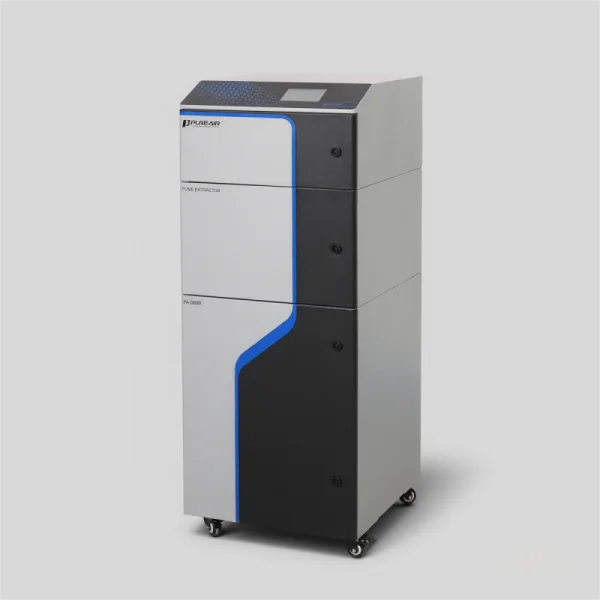
Part 1 — Why Standard Fixes Miss the Point
laser dust collector systems are sold as the quick fix, but I’m convinced most buyers never hear the full story. Look, it’s simpler than you think: many units emphasize suction but ignore filtration efficiency and maintenance realities. In my experience working with shop managers, a common pattern shows up — a flashy fan motor and strong airflow rating on paper, yet the filter media (HEPA or otherwise) is underspecified. The result? Particle re-entrainment, odors that linger, and brittle optics ruined by ultrafine soot. That’s not just annoying; it’s expensive.
Why does this happen? Two reasons. First, manufacturers often rate systems on ideal airflow velocity without simulating real cuts or welds. Second, maintenance is underestimated — frequent filter loading kills performance quickly. I’ve measured differential pressure rises that cut effective airflow by half within weeks on a bad install. You’ll hear terms like activated carbon and filter efficiency tossed around, but unless those parts are matched to the process, they’re window dressing. So yes, the traditional solution has flaws: poor filter selection, optimistic specs, and a service model that assumes someone else will notice problems before production suffers.
Can improved specification fix the problem?
Part 2 — New Principles for Better Extraction
Now, I want us to look forward. New technology principles can change the game for a laser dust collector — if you know what to prioritize. First, treat the system as a matched set: fan, filter media, and ducting must be sized to the actual process. I’ve seen retrofits where adding a proper HEPA stage and a quality activated carbon bed cut odors and ultrafine counts dramatically. Second, add basic diagnostics: simple pressure differential sensors and a token edge computing node to log filter health will save you downtime and argument. Third, rethink placement and capture hood design; capture efficiency beats raw suction every time.
Technically speaking, look for units that let you measure differential pressure across filter stages, that specify capture hood face velocity, and that use serviceable modular filter packs — not glued, proprietary cartridges. I’ll be honest: there’s a cost to doing this right. But when you tally fewer lens swaps, less sick time, and more consistent yields, the math favors better design. — funny how that works, right? I recommend leaning toward systems that give you data. A visible gauge or simple log can turn a guess into a plan.
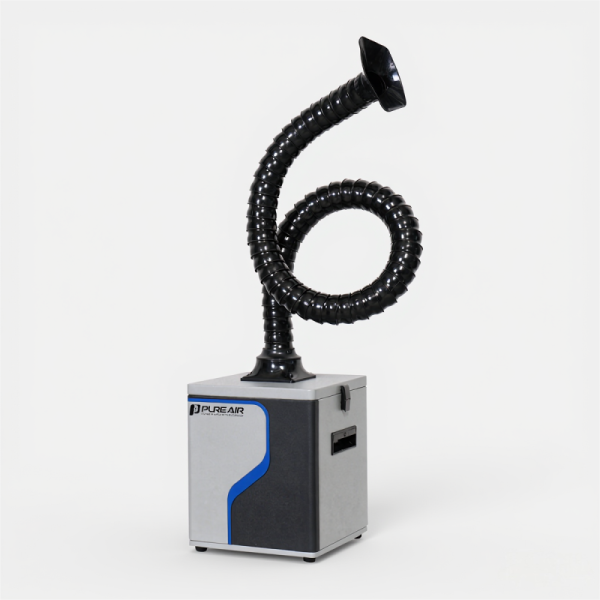
What’s Next: Practical Steps
Conclusion — How to Evaluate and Decide
Here’s where I land after testing units and talking with technicians: don’t buy on a single spec. Evaluate systems on three clear metrics — capture efficiency at the source, filter-stage efficiency (including HEPA and carbon where needed), and maintainability (service intervals and diagnostics). Check those, and you’ll avoid the usual traps. I recommend you insist on real-world capture tests, not just manufacturer charts. We want measurable improvements: lower PM2.5 peaks, predictable filter replacement cycles, and clear service alerts. If you ask vendors for those numbers, you’ll separate the serious designs from the marketing noise.
My final, slightly personal take: we owe it to our teams to get this right. I’ve seen shops transform after changing one part of their extraction approach — fewer headaches, healthier people, better product. So be tough in your specs, insist on data, and prioritize modular, maintainable systems. If you need a place to start, check solutions by PURE-AIR. I’m convinced that with a few smart choices, you can make a real difference — and yes, you’ll sleep better knowing the air is cleaner.