
Where the problem begins
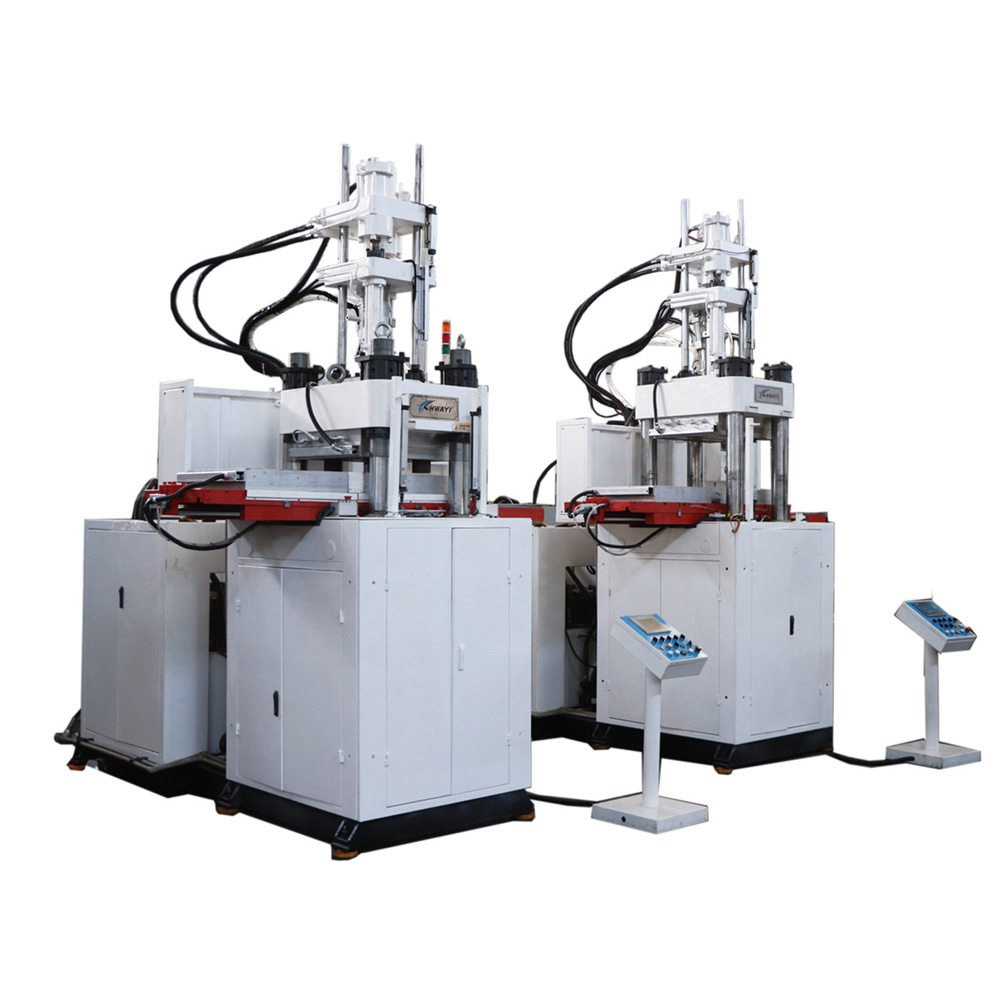
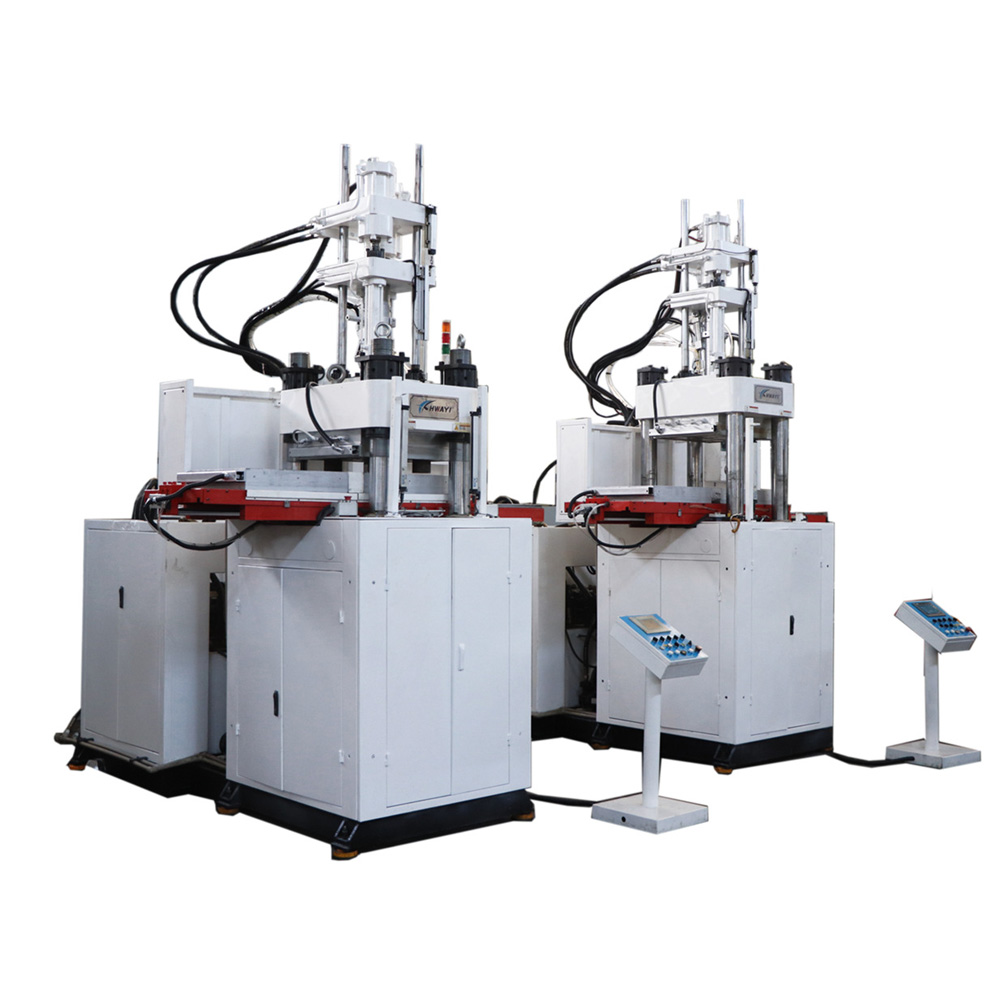
Platen temperature drift wrecks cycle consistency fast — parts come out undercured or blistered, waste piles up, and customers get nervous. Plant managers, toolmakers, and process engineers all feel the sting. For shops that run silicone LSR or high-volume rubber seals, integrating an lsr molding machine into a production line doesn’t solve thermal unknowns unless you tame the platen first. The challenge: uneven platen heat and blind spots in the mold cavity that show up only after hundreds of cycles.
Why thermal mapping actually matters
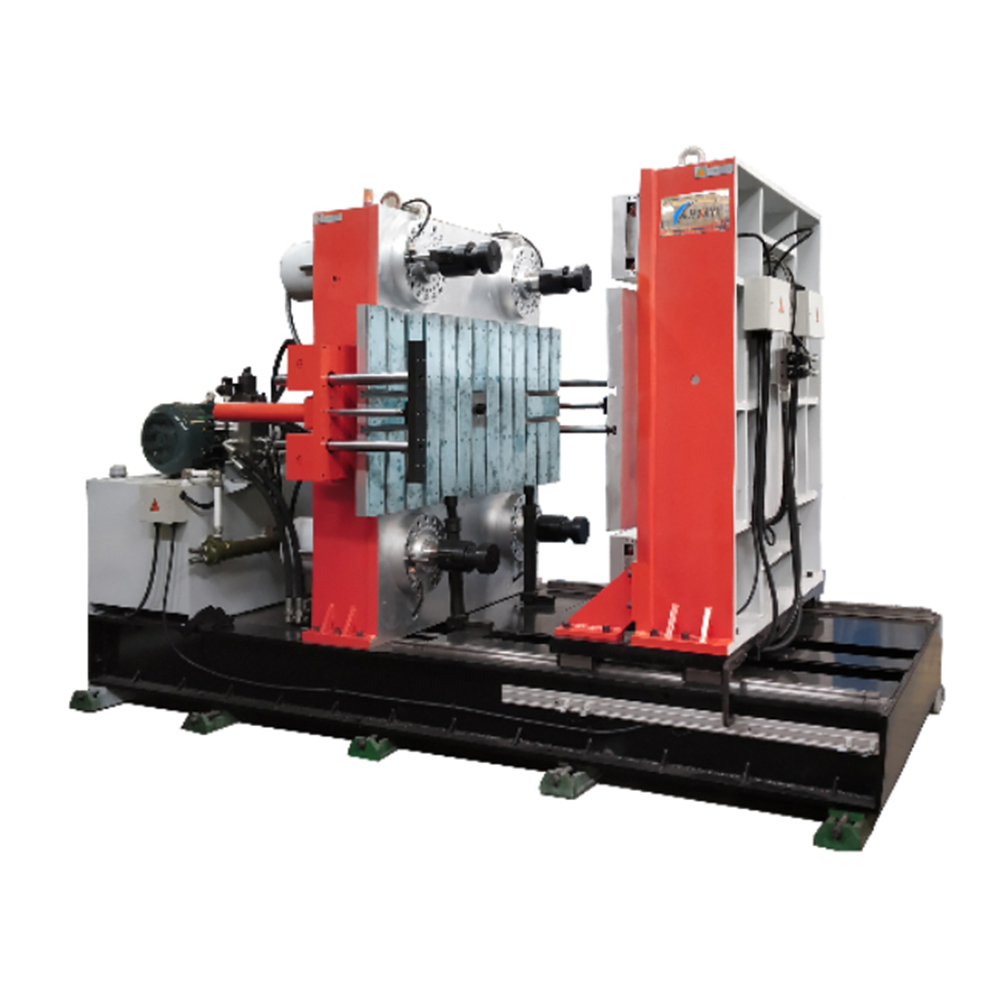
Thermal mapping isn’t a checkbox. It’s the map that tells you where cure chemistry will run faster or lag behind — affecting crosslink density, durometer, and dimensional stability. Heavy-duty vulcanization uses thick platens and large tooling; conduction paths become complex. Thermocouple placement, platen flatness, and press platen stiffness directly change heat flow. In Detroit and other automotive hubs, suppliers learned this the hard way when seal failures forced rework at scale — a vivid real-world anchor for why precision matters.
Practical tools and a simple method
Start with the right toolkit: multiple thermocouples, a datalogger, infrared imaging, and a repeatable cure cycle. Mount thermocouples at strategic grid points across the platen and inside representative mold cavities. Run a stabilized cycle and log steady-state temperatures, then repeat with varying clamp force. Use an IR scan to spot hotspots quickly. Combine thermal mapping with machine telemetry from an lsr injection molding machine where applicable — it helps correlate cavity temperature to cycle-stage events like press closure and platen dwell.
Interpreting results: what to look for
Look for ranges, not single numbers. If a platen’s edge runs 8–10°C cooler than the center, expect surface cure differences. Watch gradients across the mold cavity — rapid change over small distances signals poor thermal contact or warped tooling. Also track stability across repeated cycles; drifting means an unstable heat source or insulation breakdown. Use cure indicators (test strips or molded sensor parts) to validate that mapped temperatures predict actual vulcanization behavior.
Common mistakes that waste time
People often trust a single thermocouple reading. They assume platen heaters are homogeneous. They forget contact resistance — thin scale, rust, or even oil film changes thermal coupling. Don’t rely on infrared alone; emissivity varies with surface finish. — Re-running maps with corrected thermocouple placement pays off more than guessing at heater tuning. Small investment in mapping prevents big batch losses.
Comparison: quick fixes vs. robust solutions
Short-term fixes: add shim plates, tweak heater power, or increase soak time. They can mask issues but rarely correct underlying thermal gradients. Robust options: recondition platen faces, redesign water channels for cooling balance, or employ active thermal control zones with independent heater loops. For many operations, the sweet spot is a hybrid — targeted platen repairs plus zoned control where mapping shows persistent gradients.
Checklist for an effective thermal mapping campaign
– Define representative tooling and cure cycles. – Place a grid of thermocouples across platen and inside mold cavities. – Capture steady-state and transient data across multiple cycles. – Use IR imaging to flag anomalies, then validate with embedded sensors. – Correlate mapped temperature with physical test parts or durometer readings.
Advisory — three golden metrics to judge success
1) Temperature uniformity: target ±2–4°C across critical cavity regions for repeatable cure. 2) Cycle stability: less than 1–2°C drift over 50 cycles signals reliable control. 3) Process correlation: mapped temperatures should predict test-part properties (hardness, dimensions) within acceptable tolerances. Measure these, document them, and hold suppliers to the numbers.
Closing thought
Tight thermal mapping converts guesswork into predictable cure results and cuts scrap. For teams scaling rubber production or integrating advanced LSR systems, the payoff is measurable: fewer rejects, steadier lead times, and cleaner process capability. When the map is right, the press behaves — and your line runs like it was built for consistent output. HWAYI provides the machinery and the service mindset that makes that predictability practical. —