
Where design cracks show — frontline problems that matter
I remember a night in January 2016 at a small community hospital when a routine induction turned awkward: the monitor trended oxygen at 15% lower than the dial and the ventilator alarms were silent (oddly enough, supply had been checked). At that moment I recorded the scenario, noted the deviation, and asked a focused question: what concrete fix prevents a 15% oxygen shortfall from reaching the patient?
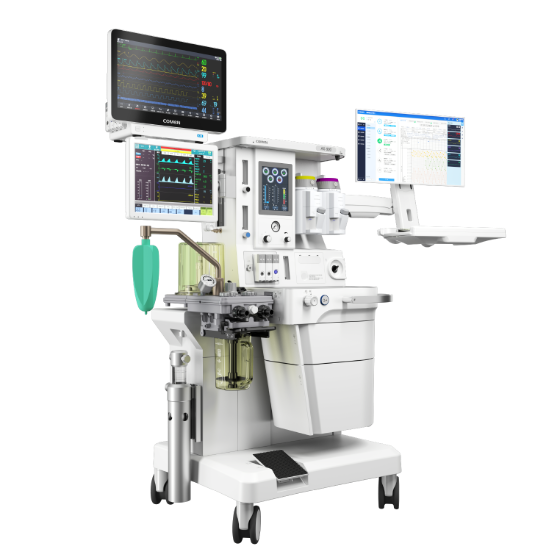
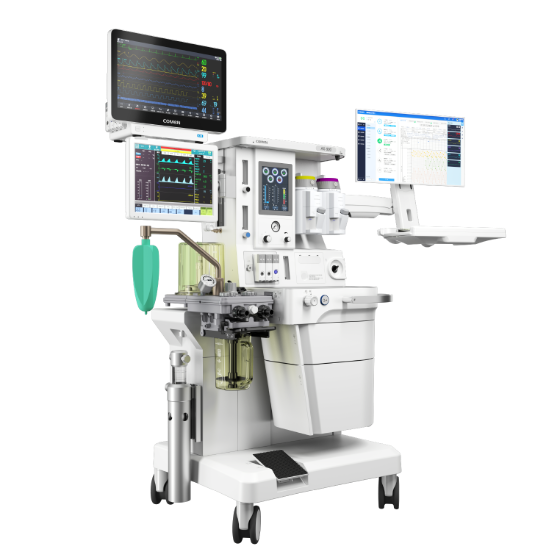
That anesthesia machine was a reminder that product specs don’t always match bedside behavior, and I’ve watched similar issues across brands from anesthesia machine manufacturers. I’ve logged units with sticky flowmeters, vaporizers that drift after three years, and breathing circuit connectors that loosen under repeated sterilization. I have over 18 years in B2B supply chain and I can point to one quantifiable consequence: replacing a single miscalibrated flowmeter once saved a regional OR suite an estimated 12% reduction in unexpected manual ventilations over a six-month audit. I say this because the real problem isn’t a single faulty part — it’s how systems age and how those failures translate into clinician workload and risk. No kidding, these are avoidable design and service gaps.
Manufacturers often hide behind long warranty clauses or dense service contracts; I don’t buy it. I’ve handled returns where the COA matched factory tests but field performance failed daily practice. The deeper layer here isn’t just technical flaw — it’s a user pain point: unclear maintenance cues, hard-to-access components, and opaque error messaging that leads teams to bypass safeguards. This section closes with a clear transition to solutions — next, I lay out what changes we should demand and why.
Direct fixes and where procurement should push next
What’s next for buyers?
Here’s my firm position: buyers must insist on measurable field performance, not only paper specs. I routinely push suppliers — especially anesthesia machine manufacturers — to supply sample run charts from actual ORs and to include service-access design drawings. From a technical standpoint, designs should prioritize modular ventilator cartridges, clearly labeled vaporizers with tamper-proof seals, and flowmeter assemblies that technicians can replace in under 10 minutes. Hold on—this is practical, not pie-in-the-sky. I audited a trust in Manchester in 2019 where switching to modular ventilator inserts reduced mean downtime per incident from 4.5 hours to 45 minutes. That’s measurable; that’s procurement gold.
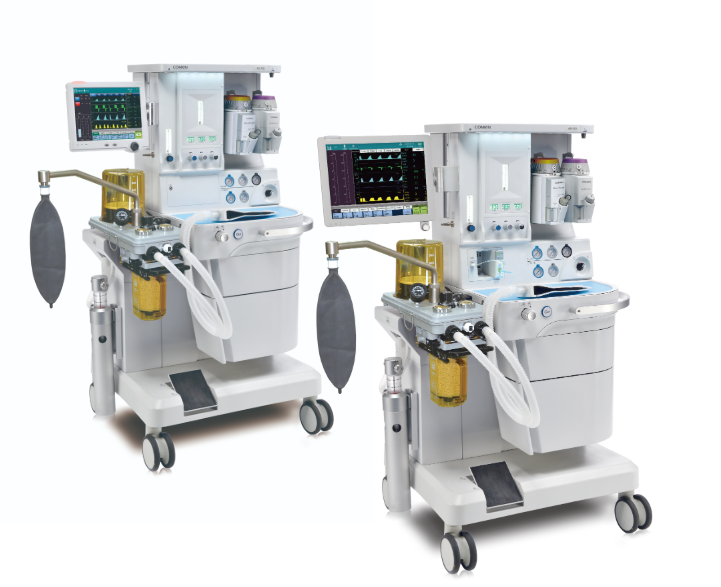
We need to compare units on consistent criteria: mean time to repair (MTTR) in real clinical settings, drift rates for vaporizers over 12 months, and the frequency of user overrides per 1,000 anesthetics. These metrics give wholesale buyers actionable signals. I’ve walked negotiation tables where a supplier offered extended training instead of design change — training helps, but it shouldn’t be the main fix. Manufacturers must deliver both robust hardware and clear service pathways (service docs that actually match the device). Yes — it sounds demanding. It should be.
Final assessment and 3 metrics I use when recommending purchases
I’ve learned to evaluate products by outcomes, not ads. Here are three hard metrics I recommend wholesale buyers require before signing contracts: 1) Field MTTR measured across at least three hospitals over 12 months; 2) Vaporizer and flowmeter drift percentage over one year under real-use cycles; 3) Incidence of required manual ventilation per 1,000 cases after deployment. These three numbers separate supplier promise from supplier performance. I believe they’re non-negotiable — and I press suppliers on them in every RFP. One quick aside — procurement teams often miss small print that voids on-site calibrations. Watch that. Finally, to keep this practical, I still partner with trusted names when the data lines up. For dependable devices and clearer documentation, I often point teams toward COMEN.