
Introduction: Framing the Problem
Have you ever wondered why a lighting upgrade that cost thousands still feels like a guess? I see this all the time on farms trying to balance animal welfare and operating costs. In our recent audit, many producers reported a 10–20% drop in feed conversion variability after swapping to better LEDs, yet they couldn’t translate that into clear payback numbers—swine light was part of the reason. The scene is familiar: dim barns at dawn, inconsistent behavior charts, and a spreadsheet that refuses to tell a story (yes, that spreadsheet). Given rising energy prices and tighter margins, what should actually count as ROI on a lighting project?

I’m writing from the manager’s seat: organized, practical, and a little impatient with vague promises. We’ll look at hard signs—behavior change, daily weight gain, and energy draw—then tie those to decisions you can make. Ready to get specific? Let’s move into where most solutions stumble and how that hides the real cost.
Where Traditional Lighting Falls Short
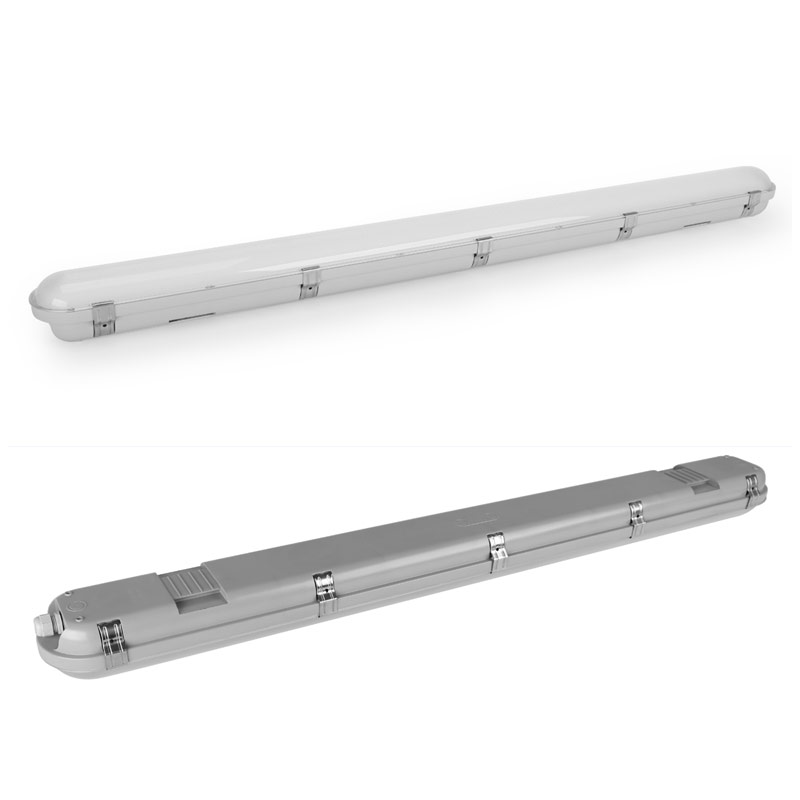
To start, let me define the common trap: many farms treat light as a bulb swap rather than a system change. When I audit barns I now look first at whether a proposed product is a point fix or a systems fix. Take the swine shine led hog light—it’s promoted as a direct replacement for old fixtures, but the real issue lies deeper. Systems need photoperiod control, consistent lumen output, and durable power converters. Too often installers ignore control strategy, and that ruins behavior outcomes. Look, it’s simpler than you think: a well-designed LED plus the wrong control schedule will still deliver poor growth curves.
Why does that matter?
Because the messy truth is measurable: flicker or voltage drop from cheap drivers can increase stress incidents. Photoperiod mismatches change feeding windows. Low CRI and spectral mismatch affect sow activity. I’ve seen farms replace 200 fixtures and still get night-time lethargy because they left the controller settings at factory defaults. Edge computing nodes and basic sensor networks can help—but only if integrated. The old “swap-and-forget” model fails on three fronts: animal response, operational control, and long-term energy savings. These are not abstract; they hit your ledger every month.
Principles and Paths Forward
What should we do differently? Start with principles that scale: spectrum matters, control matters, and data must close the loop. The new approach centers on integrating a reliable fixture like the swine shine led hog light into a system that includes scheduling, dimming profiles, and basic sensors. I’m talking spectral tuning that aligns with pig circadian cues, stable power conversion to avoid flicker, and simple data capture—no need for heavy analytics at first. This is about principles not buzzwords: match light to behavior, reduce electrical noise, and gather the right metrics (feed intake timing, daily weight gain, and kWh per pig).
What’s next? Pilot. Run a small barn for 8–12 weeks with clear targets and one control change at a time. Compare feed conversion, lesion counts, and energy use. Implement one change, measure, then iterate—funny how that works, right? Over time, the data will tell you whether to scale. I prefer a phased roll-out: pilot, refine controls, then fleet upgrade. That keeps risk low and learning fast.
Three Practical Evaluation Metrics
When you judge any lighting upgrade, I recommend focusing on three metrics: 1) Behavior-to-feed alignment: did feeding peaks shift or stabilize? 2) Energy per weight gain (kWh/kg): a direct operational KPI. 3) Control stability: percent uptime for dimming schedules and sensor reads. These three give me confidence that gains are real and repeatable.
In closing, I’m candid: no single lamp solves every problem. But a thoughtful system—good fixtures, smart controls, and measured pilots—will reveal real returns. I’ve helped teams cut guesswork and produce clearer payback timelines by applying these steps. For practical support and tested products, check szAMB.