
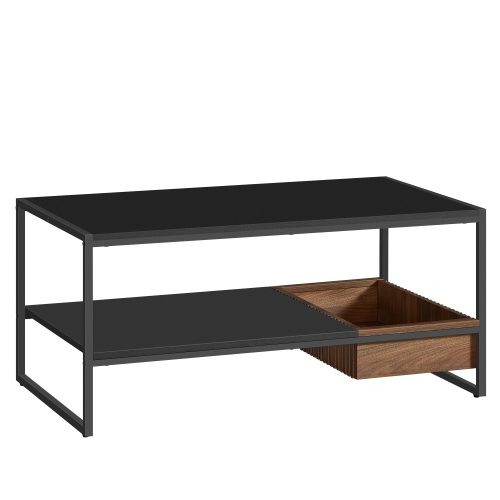
Introduction: The Pipeline Behind Every Living Room Hero
Define the pipeline, then measure it. In furniture ops, a pipeline is the flow of designs, materials, and data that turns ideas into units on a pallet. Coffee table manufacturers sit at the core of that flow, syncing sourcing, machining, and final QC. Picture a major retailer planning a weekend push; they forecast demand, but 18% of SKUs slip due to upstream bottlenecks in lead time and freight consolidation. One small delay, and throughput drops across the board—funny how that works, right? The data says missed windows can wipe 3–5% of gross margin per quarter. So the big question: which part of the chain actually creates or kills speed?

The answer is not only about capacity. It’s about how ERP, vendor EDI, and line changeovers handle real-time variance. When a finish spec changes or a hardware pack is short, the system needs to reroute fast. Can your pipeline absorb the hit, or does it stall? Let’s move to the pain points that don’t show up in glossy decks but hit the cart at checkout.
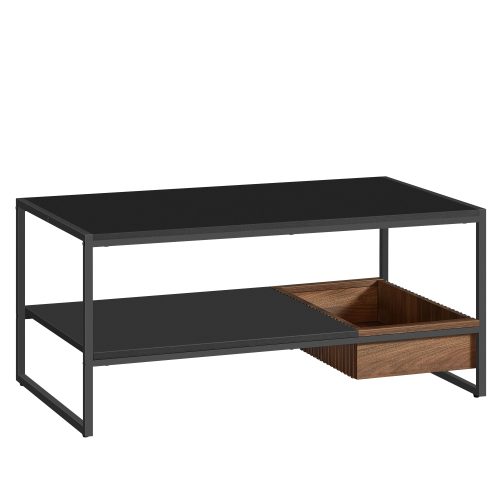
The Overlooked Friction in Wholesale: Where Good Tables Lose Time
Here’s the tell: most delays in coffee tables wholesale aren’t from machines; they’re from tiny mismatches between demand signals and factory logic. Look, it’s simpler than you think. Traditional fixes—bigger MOQs, more buffer stock—just shift risk downstream. A small tweak in top material or leg hardware, and the CNC routing plan no longer aligns with the run list. EDI updates arrive late, the powder coating booth idles, and cartons staged for one SKU get repacked for another. That repack step feels small, but it compounds into hours lost.
Customers feel it as “stock out” or “late ship,” but the root is deeper. Old playbooks bundle variants to smooth costs, yet those bundles hide the real constraint: line changeover granularity. When finishes rotate faster than the line can reset, throughput drops. Those are avoidable losses if the pipeline reads variance in real time and maps it to work cells. Without that, even high-capacity plants burn time on rework—then freight goes express to catch the date, and the margin vanishes. The paradox is clear—and costly.
Where do delays really start?
They start where forecast meets setup time. If the SKU mix shifts but fixtures and jigs don’t, the first hour of a shift becomes scrap and scramble. The fix is not more inventory; it’s tighter data to the floor and faster micro-changeovers.
Comparative Outlook: New Tech Principles Reshape the Table Game
Compare the old model—batch and buffer—to a new stack built on demand sensing and digital twins. In the new model, a virtual build simulates every coffee table variant before the wood ever sees a blade. Work cells run lighter, guided by edge computing nodes that push live instructions to operators. Power converters stabilize multi-motor cells so micro-stops don’t ripple down the line. Now ask: which system adapts faster when a finish swaps at noon? The one that tests the change in software first, then deploys it to the line in minutes. The path from “idea” to “unit completed” gets shorter, not by heroics, but by design.
What’s Next
Expect tighter loops between merchandising and the floor. A modern coffee table supplier will sync CAD, BOM, and carton spec into one version of truth, then auto-generate work instructions per variant. That means fewer painful MOQs and more responsive production windows. It also means a cleaner comparison across partners—who can hold tolerance on a chamfered edge while switching finishes twice a shift? Summing up so far: delays aren’t only machine time; they’re decision time. A pipeline that senses, simulates, and switches will beat buffer stock and late-night expedites—every single time.
Advisory close-out—three metrics to track when you choose partners: 1) Changeover efficiency: minutes from finish swap to first good part at rate; 2) Signal latency: seconds from order change in ERP to updated work cell instructions; 3) First-pass yield by variant: real quality in the mix, not in a lab. Keep those in view, and the rest aligns. For teams ready to benchmark against that bar, start with an honest pipeline audit and a small pilot—then scale what works. Learn fast, keep it simple, and build for flow. SONGMICS HOME B2B